Practical guides to understanding a treatment discussion, choosing a specialist, and planning your care.
Choosing your care
Your anesthesia plan should fit the operation, your health, and the recovery you need afterward. Ask about the proposed approach before surgery day, particularly if you have had an unpleasant anesthesia experience or take medicines that need coordination.
Read the guide ↗Choosing your care
Clot prevention is part of recovery planning, especially when surgery or injury limits movement. Ask for instructions that reflect your operation and history, and know which symptoms require immediate care.
Read the guide ↗Choosing your care
A trusted person can help you remember the conversation and manage next steps. Decide together what support you want, while keeping your priorities at the center of the visit.
Read the guide ↗Choosing your care
Good coordination turns a treatment recommendation into a plan you can follow: the right records, clear responsibilities, and someone to contact when the next step is unclear.
Read the guide ↗Choosing your care
The right orthopedic physician starts with your problem, your goals, and a clear explanation of the choices. Use expertise, communication, and access together when making your decision.
Read the guide ↗Choosing your care
Families can help by describing a person's usual thinking, preparing familiar supports, and reporting a sudden change promptly. New confusion after surgery should be assessed, not dismissed as an ordinary part of recovery.
Read the guide ↗Choosing your care
Diabetes planning should be part of the surgical plan, not an extra instruction added at discharge. Ask the surgical, anesthesia and diabetes teams to agree on monitoring, medicines, meals and follow-up.
Read the guide ↗Choosing your care
Driving readiness depends on the operation, the vehicle, physical control, and medication effects. Arrange transport until your treating team has addressed those factors for your situation.
Read the guide ↗Choosing your care
Before treatment, agree on how questions, results, and unexpected changes will be handled. A clear follow-up plan can make the days between appointments feel much less uncertain.
Read the guide ↗Choosing your care
If you take a GLP-1 medicine, tell the anesthesia and prescribing teams early. The plan should account for the drug, dose changes, digestive symptoms, and the procedure rather than rely on a blanket stop rule.
Read the guide ↗Choosing your care
Patient reviews are most useful when they help you recognize the experience you want and prepare better questions. Read the details, the source, and the limits of each account.
Read the guide ↗Choosing your care
Incision care depends on the closure, dressing and operation you received. Before going home, ask for instructions specific enough that you and anyone helping can follow them without guessing.
Read the guide ↗Choosing your care
The right records help a second-opinion visit focus on your decision. Confirm what the clinician needs, arrange a usable transfer, and bring a short treatment timeline rather than an unorganized stack.
Read the guide ↗Choosing your care
A good medication plan says what to take, what to change, who made the decision and when usual treatment resumes. Get that plan before surgery rather than trying to reconcile conflicting instructions the night before.
Read the guide ↗Choosing your care
Trying nonsurgical care should come with a purpose, a practical plan, and a review point. Ask what you are testing, which improvement matters, and what would make the next decision clearer.
Read the guide ↗Choosing your care
Nutrition planning should make recovery easier to manage, especially when appetite, shopping, cooking, or an existing medical condition creates a barrier. Ask for individualized advice before buying supplements or making major dietary changes.
Read the guide ↗Choosing your care
A useful cost discussion covers the operation, the people and facilities involved, and the care needed afterward. Ask for written information early enough to resolve uncertainties before scheduling becomes difficult to change.
Read the guide ↗Choosing your care
A pain plan should help you rest and carry out permitted recovery activities while limiting side effects. Know what each medicine is for, who manages changes, and how to get help if the plan is not working.
Read the guide ↗Choosing your care
A short symptom story, the right records, and a few priorities can help your first orthopedic visit end with a plan you understand. You do not need to arrive with your own diagnosis.
Read the guide ↗Choosing your care
A success rate is useful only when you know what was counted, who was studied and for how long. These questions help turn an impressive number into information relevant to your own decision.
Read the guide ↗Choosing your care
Living alone does not answer whether a recovery plan is workable. The useful question is which tasks require another person, for how long, and what arrangements can realistically provide that help.
Read the guide ↗Choosing your care
A realistic return-to-work plan describes tasks, restrictions, and a reassessment point. The job title alone rarely captures what your body has to do through an entire shift.
Read the guide ↗Choosing your care
A good treatment decision connects the evidence with your life: what you hope to do, which risks concern you, and what recovery would ask of you. Your priorities belong in that discussion.
Read the guide ↗Choosing your care
Travel after surgery is a planning decision, not a date copied from another patient's recovery. Discuss the full journey with your surgical team before booking or committing to a return trip.
Read the guide ↗Choosing your care
Consent should follow a conversation you understand. Before an orthopedic operation, make sure the reason, alternatives, personal risks, and recovery demands are clear enough to discuss in your own words.
Read the guide ↗Foot & ankle
Both pathways need a prompt assessment and a detailed rehabilitation plan. The choice should fit the tear and the demands of your life.
Read the guide ↗Foot & ankle
A useful Achilles consultation explains where the tendon hurts, how loading will change, and how progress will be measured.
Read the guide ↗Foot & ankle
Pain relief, retained motion, bone healing and future surgery are different parts of the decision.
Read the guide ↗Foot & ankle
The camera and small incisions do not define the recovery. What the surgeon treats inside the ankle determines the protection, rehabilitation, and return-to-activity plan.
Read the guide ↗Foot & ankle
An osteochondral lesion involves cartilage and underlying bone in the ankle. Treatment decisions need to connect the lesion's features to your symptoms, previous care, and the recovery each option requires.
Read the guide ↗Foot & ankle
The key question after a broken ankle is how to restore and protect a stable joint—not simply how quickly the boot can come off.
Read the guide ↗Foot & ankle
Repeated rolling, ongoing pain and lack of confidence on uneven ground deserve a plan that goes beyond waiting for swelling to settle.
Read the guide ↗Foot & ankle
For a stiff, painful big toe, the useful comparison is what each treatment can improve and what it asks you to give up. Pain location, remaining motion, and footwear goals help shape that discussion.
Read the guide ↗Foot & ankle
The right bunion conversation starts with pain, shoe comfort and walking—not the appearance of the bump.
Read the guide ↗Foot & ankle
When the foot shape changes and walking becomes uncomfortable, the plan should account for tendons, ligaments, alignment and joint flexibility.
Read the guide ↗Foot & ankle
A high ankle sprain affects the connection between the lower-leg bones near the ankle. Stability, associated injury, and the demands of your activity matter more than comparing recovery with a routine ankle roll.
Read the guide ↗Foot & ankle
A Jones fracture occurs in a particular part of the fifth metatarsal and needs a plan matched to its healing risk. Ask about the fracture location before comparing casts, boots, or fixation.
Read the guide ↗Foot & ankle
Pain and swelling through the middle of the foot after an injury deserve a clear explanation of alignment and stability. A Lisfranc injury can involve ligaments, fractures, or both.
Read the guide ↗Foot & ankle
A burning or pebble-like feeling in the forefoot needs an examination before it is called a neuroma. Ask what each option changes, especially when a treatment affects the nerve itself.
Read the guide ↗Foot & ankle
Gradually developing midfoot pain can deserve more than a change of shoes. If a navicular stress fracture is suspected, clarify the imaging, protection, and healing plan before returning to impact activity.
Read the guide ↗Foot & ankle
Before repeating an injection or choosing a procedure for heel pain, clarify the painful structure, the treatment already tried, and the change that would make the next step worthwhile.
Read the guide ↗Hand & wrist
Nighttime tingling, dropped objects, and a weak pinch deserve an explanation. A useful hand consultation clarifies whether the median nerve is involved, how it is functioning, and which next step fits.
Read the guide ↗Hand & wrist
Ring- and little-finger tingling can point toward the ulnar nerve, but the location and severity need assessment. Bring the pattern of symptoms and any change in hand strength to the conversation.
Read the guide ↗Hand & wrist
Pain on the thumb side of the wrist can make lifting, gripping, and everyday care difficult. The first step is confirming the source, then choosing a plan that fits how you use your hand.
Read the guide ↗Hand & wrist
A lump in the palm does not automatically mean you need a procedure. With Dupuytren’s, the useful questions concern finger position, everyday function, progression, and the tradeoffs of treatment.
Read the guide ↗Hand & wrist
After a flexor tendon injury, repairing the tendon and planning its rehabilitation are one connected decision. Ask how movement will be introduced while the repair is protected.
Read the guide ↗Hand & wrist
A useful hand consultation starts with the pattern of numbness, the tasks it interrupts, and any change in strength. A finger map can help you describe symptoms; it cannot diagnose the cause.
Read the guide ↗Hand & wrist
A useful hand-therapy plan starts before surgery with the repair details, protection needs, and tasks that matter to you. Arrange the handoff so your first therapy visit has a clear purpose.
Read the guide ↗Hand & wrist
A fingertip that suddenly droops after an injury should be assessed, even if the pain is modest. Treatment depends on the tendon, any bone injury, and whether the joint remains aligned.
Read the guide ↗Hand & wrist
Persistent thumb-side wrist pain after a fall deserves a clear follow-up plan, even when the first X-ray is reassuring. Ask what remains uncertain and how to protect the wrist while that question is resolved.
Read the guide ↗Hand & wrist
You do not have to play tennis to develop outer-elbow pain. Ask how the diagnosis fits your symptoms, which daily loads matter, and how to build a practical treatment and rehabilitation plan.
Read the guide ↗Hand & wrist
A TFCC finding on MRI needs to be connected to the painful task and the stability of the wrist. These questions help separate an image description from a useful treatment decision.
Read the guide ↗Hand & wrist
Opening a jar or turning a key should not be the only way you measure thumb pain. A good consultation connects the diagnosis with your daily tasks and compares practical ways to protect function.
Read the guide ↗Hand & wrist
A thumb that feels unstable after an injury needs assessment of the ligament, joint, and any associated fracture. The key question is how to protect useful pinch while the injury heals.
Read the guide ↗Hand & wrist
A catching or locking finger needs a plan that addresses both the movement problem and the way you use your hand. Ask what is causing it, what to try first, and when a release becomes worth discussing.
Read the guide ↗Hand & wrist
A broken wrist needs prompt assessment and a plan for alignment, healing, and hand use. Once urgent care is arranged, these questions can help you understand a cast or surgery recommendation.
Read the guide ↗Hand & wrist
A new wrist or hand lump deserves a clear diagnosis before a decision about removal. Once a ganglion is confirmed, the choice often depends on discomfort, movement, and how the lump affects your life.
Read the guide ↗Hip & joint replacement
A joint replacement changes the conversation with your dentist, but it does not automatically mean antibiotics before every visit. Ask your dentist and surgical team to agree on advice for the procedure and your health history.
Read the guide ↗Hip & joint replacement
Nonsurgical care should have a purpose, a tolerable starting point and a way to decide whether it is helping enough.
Read the guide ↗Hip & joint replacement
Pointing to pain is useful, but location alone cannot diagnose its source. Bring a short description of when the pain occurs, how it behaves and what it keeps you from doing.
Read the guide ↗Hip & joint replacement
Anterior and posterior describe routes used to reach the hip joint. The approach matters, but it should be considered alongside the surgeon’s experience, your anatomy and the complete recovery plan.
Read the guide ↗Hip & joint replacement
Comparing hip replacement care is easier when the conversation starts with your symptoms, goals, and support needs. Ask about relevant experience, the proposed operation, realistic function, and who will help you through recovery.
Read the guide ↗Hip & joint replacement
Some discomfort and swelling can occur after replacement, but a new or worsening pattern deserves attention. Follow your discharge instructions; emergency symptoms require immediate care rather than waiting for an office reply.
Read the guide ↗Hip & joint replacement
Persistent pain on the outside of the hip deserves a specific explanation. Ask whether the gluteal tendons, nearby bursa, joint or another source is contributing before repeating the same treatment.
Read the guide ↗Hip & joint replacement
Robotic assistance is a surgical tool, not a separate reason to have knee replacement. Ask how the technology fits the operation, what it changes and which outcomes remain uncertain.
Read the guide ↗Hip & joint replacement
Going home on the day of hip or knee replacement is a planned care pathway, not a test of determination. Readiness includes your health, mobility, symptom control and the support waiting at home.
Read the guide ↗Hip & joint replacement
Returning to an activity you enjoy is a good goal after replacement. The decision depends on the demands of that activity, your preparation and the guidance for your particular joint and operation.
Read the guide ↗Hip preservation
Recovery planning starts with the details of your operation and the activities you want back. These nine questions help turn a broad recovery estimate into a practical conversation with your surgeon and physical therapist.
Read the guide ↗Hip preservation
Whether periacetabular osteotomy is worthwhile depends on the hip problem, the condition of the joint, your goals, and the recovery commitment. A preservation consultation should make those tradeoffs understandable.
Read the guide ↗Hip preservation
A scan finding becomes useful when it explains your symptoms and points toward a treatment with a clear purpose.
Read the guide ↗Knee
There is no graft choice that removes every tradeoff from ACL reconstruction. Compare the tissue source, the demands of your life and the evidence for patients like you before deciding.
Read the guide ↗Knee
Your knee’s stability, associated injuries and future demands should shape the ACL decision—and rehabilitation belongs in either pathway.
Read the guide ↗Knee
ACL reconstruction with a meniscus repair is not simply two procedure names on the same schedule. The meniscus work can change protection, rehabilitation and the milestones used to advance activity.
Read the guide ↗Knee
Genicular nerve procedures target selected pain signals around the knee. Before considering radiofrequency treatment, clarify the diagnosis, the evidence, the role of a test block and what symptom relief would allow you to do.
Read the guide ↗Knee
A focal cartilage defect, a meniscus tear and widespread arthritis are different problems—and they need different conversations.
Read the guide ↗Knee
A dislocated knee joint and a dislocated kneecap are different injuries. A suspected true knee-joint dislocation needs emergency assessment because circulation and nerves may be threatened. After urgent care, these questions help clarify the diagnosis and treatment plan.
Read the guide ↗Knee
A broken bone around the knee may involve the kneecap, upper shinbone, or lower thighbone. Understanding the exact injury helps you ask better questions about treatment, walking, rehabilitation, and follow-up.
Read the guide ↗Knee
A knee osteotomy changes alignment to redistribute load. Before choosing it, understand the part of the knee being protected, the bone-healing commitment and how it compares with other options.
Read the guide ↗Knee
A useful knee replacement consultation explains the diagnosis, the options, and what the operation may change in your life. Compare the whole plan, including rehabilitation, support at home, and access to help after surgery.
Read the guide ↗Knee
A meniscus root tear affects an attachment that helps the meniscus distribute load. The right discussion includes the rest of the knee, the chance of preserving tissue and the recovery required by a repair.
Read the guide ↗Knee
The treatment choice depends on the tear, the rest of the knee and what is actually causing your symptoms.
Read the guide ↗Knee
A useful second opinion starts by identifying why the knee hurts before deciding whether another operation is likely to help.
Read the guide ↗Knee
The choice depends on which parts of your knee are affected and whether the remaining joint can support the result.
Read the guide ↗Knee
The patellar tendon helps connect the kneecap to the shinbone as part of the mechanism that straightens the knee. A suspected rupture needs prompt assessment and clear protection instructions.
Read the guide ↗Knee
Front-of-knee pain often needs a thoughtful movement and loading plan, not a rush to label every ache as damaged cartilage.
Read the guide ↗Knee
A stiff knee replacement needs an explanation before a procedure is chosen. Manipulation under anesthesia may be considered in selected situations, but it does not address every cause of limited motion.
Read the guide ↗Pain management
Basivertebral nerve ablation is discussed for a selected pattern of chronic low-back pain. A mention of Modic changes on an MRI is not enough by itself to determine whether this procedure is appropriate.
Read the guide ↗Pain management
If you take an anticoagulant or antiplatelet medicine, a spine procedure requires coordination between the procedural team and the clinician managing that medicine. The safe plan is specific to the drug, the procedure, and the reason you take it.
Read the guide ↗Pain management
A cortisone injection should have a specific job in your care plan. Before agreeing, understand the target, expected benefit, risks and what happens after any temporary relief.
Read the guide ↗Pain management
When hip pain has several possible sources, a diagnostic injection may help narrow the explanation. Its value depends on a clear question, a useful symptom record and careful interpretation afterward.
Read the guide ↗Pain management
An injection should come with a clear purpose: which symptoms it is meant to help, how you will judge the response, and what comes next. Here is how to have that conversation.
Read the guide ↗Pain management
A joint injection, a diagnostic nerve block, and radiofrequency ablation answer different questions. Understanding the purpose of each step can make a pain consultation much more useful.
Read the guide ↗Pain management
If you are considering joint replacement, tell the surgical team about every recent injection before booking another. Timing depends on the joint, product, planned operation and your individual risk factors.
Read the guide ↗Pain management
Removing fluid from a swollen joint can help clarify the cause and sometimes relieve pressure. A hot, acutely painful joint or swelling with fever needs prompt assessment; do not assume it is ordinary arthritis.
Read the guide ↗Pain management
A spinal cord stimulator involves more than the implantation appointment. Before committing to long-term treatment, discuss daily operation, medical imaging, follow-up, and what the plan would be if the benefit changes.
Read the guide ↗Pain management
When pain continues, you deserve a careful assessment and a plan you can use. Good care makes room for daily life, practical goals, and honest conversations about what remains uncertain.
Read the guide ↗Pain management
PRP is not one standardized treatment, and evidence depends on the condition being treated. These questions help separate a plausible option from an expensive promise that goes beyond the research.
Read the guide ↗Pain management
A claim about stem cells, tissue repair or cartilage regrowth deserves more than an impressive image. Ask for the exact product, the evidence for your condition and the limits of what is known.
Read the guide ↗Pain management
Pain near the back of the pelvis can overlap with lumbar and hip problems. A useful visit explains why the sacroiliac joint is suspected and how treatment will be evaluated.
Read the guide ↗Pain management
When back pain and poor sleep overlap, it helps to discuss both problems directly. A useful plan looks at the nighttime pattern, medicines, daily routines, and whether a separate sleep evaluation is needed.
Read the guide ↗Pain management
A stimulation trial is a decision step, not a commitment to an implant. Understand why it is being considered, what you will measure, and the responsibilities that come with a device.
Read the guide ↗Pain management
Little or short-lived relief after a spine injection is information worth reviewing. A useful follow-up examines the target, the response, and the next decision without automatically turning one disappointing result into another procedure.
Read the guide ↗Pain management
Different guidance on spine injections can be confusing, especially when a friend improved and an article advises against treatment. The way through is to compare the diagnosis, duration, goal, and evidence—not to count endorsements.
Read the guide ↗Pain management
The phrase spine injection can describe different targets, medicines, and purposes. Before agreeing to one, make sure you know whether the team is testing a possible pain source, trying to relieve symptoms, or doing both.
Read the guide ↗Pain management
A tender muscle spot can be part of a larger pain problem. Before an injection, ask what the clinician is treating and how any relief will support a useful next step.
Read the guide ↗Patient experience
When you are worried about pain or a possible operation, the way a physician explains care matters. Patient reviews can offer a useful view of those conversations. Look for specific actions, the context of the visit, and the questions those accounts help you bring to your own consultation.
Read the guide ↗Patient experience
A treatment decision can involve a physician, a therapist, an imaging center, and people helping you at home. Coordination becomes easier to understand when you know who does what, how information moves, and whom to contact when something changes. Start with these five questions before the next stage of care.
Read the guide ↗Patient experience
A second opinion can help you understand a diagnosis, compare treatment choices, or make sense of a recommendation that still feels unclear. Preparing around the decision you face makes the conversation more useful, whether you are arranging care in Los Angeles, Long Beach, Santa Monica, or elsewhere.
Read the guide ↗Physical therapy
Pacing means making activity manageable enough to repeat, with a plan for progression and flare-ups. It is most useful when tied to your goals and clinical situation rather than a fixed schedule borrowed from someone else.
Read the guide ↗Physical therapy
A balance assessment should explain what makes you feel less steady and what can be improved safely. Bring actual near-falls and difficult situations, not just a general fear of falling.
Read the guide ↗Physical therapy
Removing a cast is a transition in care, not automatic clearance for every activity. Ask what has healed, what still needs protection, and how movement and strength will return.
Read the guide ↗Physical therapy
The right physical therapist understands what you want to do, measures where you are starting, and helps you use a plan outside the clinic. Ask about experience, progress, and the practical details of visits.
Read the guide ↗Physical therapy
The right setting for rehabilitation depends on what needs assessment, how safely you can travel, and what support is available. A clinic, home visit, or video appointment can serve different purposes.
Read the guide ↗Physical therapy
A non-weightbearing instruction affects every transfer and trip through your home. Choosing an aid is only one part of arranging a safe, practical plan for the period of protection.
Read the guide ↗Physical therapy
Before therapy begins, separate the clinical plan from the insurance rules and the bill. A few specific questions can help you understand the likely costs and avoid interruptions in care.
Read the guide ↗Physical therapy
A list of back exercises is easier to use when you understand why each movement was chosen and how it should fit your day. Bring these eight questions to the appointment so your home plan reflects your assessment, your space, and the help you need to practice it.
Read the guide ↗Physical therapy
When back pain makes an ordinary day difficult, a useful physical therapy plan connects the assessment to the things you want to do again. These seven conversations can help you understand the purpose of treatment, practice with more confidence, and recognize when the plan needs another look.
Read the guide ↗Physical therapy
If physical therapy feels stuck, a useful next visit starts with a clearer account of what has changed and what still gets in your way. These six questions can help you and your therapist review the plan, identify practical barriers, and decide what to do next.
Read the guide ↗Physical therapy
Rehabilitation after spine surgery needs a plan that matches the operation and the surgeon’s instructions. Clarify the handoff, the first goals, and who changes restrictions as recovery progresses.
Read the guide ↗Physical therapy
Returning to activity works best when the activity is specific. Define the task, establish your current capacity, and agree on how to progress or adjust with your clinician.
Read the guide ↗Preventive cardiology
Your cholesterol results belong beside your family and health history. Learn what to bring, what additional testing may clarify, and how to ask about a plan that fits your risk.
Read the guide ↗Preventive cardiology
A prevention visit should turn your health history and test results into a plan you understand. Bring your priorities, your family history, and questions about what will change your care.
Read the guide ↗Preventive cardiology
A coronary calcium scan can sometimes help clarify a preventive treatment decision. Its value depends on what you and your clinician would do differently with the result—not simply on obtaining another heart-health number.
Read the guide ↗Preventive cardiology
A home monitor can make care more informative when the device, technique, and follow-up plan are right. Focus on consistent measurements and knowing what to do with the results.
Read the guide ↗Preventive cardiology
Lp(a) can add information about inherited cardiovascular risk that a standard cholesterol panel does not provide. The useful next step is to understand the result in context and agree on a prevention plan.
Read the guide ↗Shoulder
The biceps tendon can be part of a wider shoulder problem. A useful consultation explains what is injured and what each option is intended to change.
Read the guide ↗Shoulder
Calcium deposits can appear in rotator cuff tendons, but removing a deposit is not automatically the same as treating the pain. Ask how the diagnosis fits and how the evidence supports each proposed step.
Read the guide ↗Shoulder
When stiffness disrupts sleep and everyday movement, a clear plan and realistic checkpoints can make a long recovery less confusing.
Read the guide ↗Shoulder
Irreparable describes a limitation of tendon repair, not the end of useful care. Ask what the term means for your shoulder and which options match the pain, strength and everyday tasks you want to improve.
Read the guide ↗Shoulder
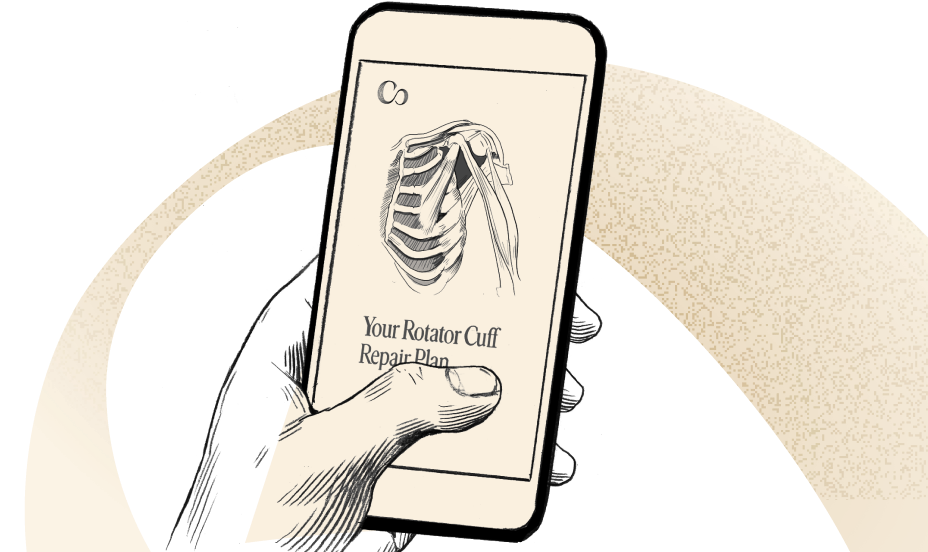
Rotator cuff recovery works through phases with different goals. Use these milestones to discuss your own protocol; the operation details and clinical assessments determine when each step is appropriate.
Read the guide ↗Shoulder
A good discussion separates pain relief, strength, tendon healing and the recovery demands of each option.
Read the guide ↗Shoulder
“Labral tear” can describe different shoulder problems. Before comparing surgery or a success-rate headline, clarify the injury, the instability pattern, and the outcome that would matter in your own life.
Read the guide ↗Shoulder
Choosing shoulder replacement involves more than comparing implant names. Ask why a reverse design fits your shoulder, what everyday function is realistic, and how the team will help you manage the recovery.
Read the guide ↗Shoulder
The first phase after shoulder surgery can make ordinary tasks unexpectedly complicated. Plan these eight parts of home life around the instructions for your exact procedure, before the arm needs protection.
Read the guide ↗Shoulder
SLAP repair and biceps tenodesis change different structures. A useful comparison starts with the source of your symptoms, the demands on your shoulder and the limits of the evidence for your particular situation.
Read the guide ↗Spine
After surgery through the front of the neck, patients often want to know how eating, speaking, and everyday routines will work. Arrange a specific plan before surgery, including clear instructions for a change that needs urgent help.
Read the guide ↗Spine
An adult spinal curve can raise questions about pain, posture, and the future. The decision is about the whole picture—not a curve measurement alone.
Read the guide ↗Spine
Most back-pain appointments allow time for a thoughtful discussion. Certain new nerve symptoms call for urgent assessment instead. Know what to report, how to describe a change, and when an online message is the wrong next step.
Read the guide ↗Spine
Strong surgical planning includes the bone that must support implants or heal. If osteoporosis is suspected, ask how it should be assessed and addressed before an operation.
Read the guide ↗Spine
Preserving neck motion can be one surgical goal. First understand the problem being treated, what makes replacement suitable, and how its tradeoffs compare with the other realistic options.
Read the guide ↗Spine
Trouble with buttons, handwriting, or balance deserves a careful assessment. Cervical myelopathy affects the spinal cord, so the conversation differs from one about neck pain alone.
Read the guide ↗Spine
Arm pain, tingling, or weakness may begin in the neck, but a useful consultation checks the whole pattern. Understand the diagnosis before comparing treatments.
Read the guide ↗Spine
Build your shortlist around your condition, the explanation you receive, and the care you will need. These eight comparisons can help you turn a broad search into a useful consultation.
Read the guide ↗Spine
Sciatica describes symptoms, while an operation treats a particular cause. Use these questions to understand the target, alternatives, surgical extent, and recovery plan before an elective decision.
Read the guide ↗Spine
An imaging label should lead to a clear explanation and a practical plan. These seven questions help connect disc changes with your symptoms, everyday activities, and the care you need.
Read the guide ↗Spine
Recovery is easier to discuss when you can describe what has changed. Track symptoms and everyday function, understand what imaging can tell you, and know when to request a reassessment.
Read the guide ↗Spine
Some back-pain patterns warrant evaluation for an inflammatory condition as well as a mechanical spine problem. A rheumatology referral is a question to explore with your clinician, not a diagnosis to make from a symptom checklist.
Read the guide ↗Spine
The decision starts with the source of low-back pain. Understand candidacy, the exact device, the access route, and realistic alternatives before committing to a lumbar disc replacement.
Read the guide ↗Spine
Lumbar-fusion names often describe the route to the spine. Learning what that route changes can make a consultation more useful, but the first question remains why a fusion is recommended at all.
Read the guide ↗Spine
A newer technique is useful when it fits the cause of your symptoms. Compare lumbar stenosis treatments through walking goals, evidence, alternatives, and the practical care each option requires.
Read the guide ↗Spine
A smaller incision may be useful, but it does not choose the operation for you. Understand the diagnosis, surgical goal, and tradeoffs before comparing techniques.
Read the guide ↗Spine
Several neck operations can address a compressed nerve, but they change different structures and are not interchangeable. A useful comparison starts with your anatomy, the symptom being treated, and the tradeoffs that matter in daily life.
Read the guide ↗Spine
Persistent symptoms after spine surgery deserve a clear follow-up plan. The most useful starting point is to distinguish what never improved, what improved and returned, and what is genuinely new.
Read the guide ↗Spine
Recovery planning works best before discharge. These nine conversations help you organize support, understand the instructions for your actual operation, and know where to turn when a question arises.
Read the guide ↗Spine
An MRI report describes what the radiologist sees. These seven questions help you understand which findings matter, what remains uncertain, and whether the information changes your next step.
Read the guide ↗Spine
A fusion recommendation should explain a stabilization problem as well as any nerve pressure. Compare the actual options, the reasons for each step, and the recovery demands before an elective decision.
Read the guide ↗Spine
An MRI appointment goes more smoothly when the imaging team knows about devices, prior procedures, anxiety, and practical needs ahead of time. Preparation should follow the instructions for your exact scan and health history.
Read the guide ↗Spine
A second opinion can confirm a plan or reveal a useful difference. Prepare the same records and questions so you can understand where the recommendations agree—and why they may differ.
Read the guide ↗Spine
A vertebra slipping forward can sound alarming. The useful discussion is more specific: whether it explains your symptoms, whether the spine is unstable, and which care fits your situation.
Read the guide ↗Spine
A spinal compression fracture raises two connected questions: how to manage the current injury and how to reduce the chance of another fracture. Ask for a plan that addresses both, with clear criteria for any procedure being considered.
Read the guide ↗Sports medicine
Pain that builds with training can sometimes reflect a bone stress injury. The location, severity and contributing factors matter more than a simple instruction to rest for a fixed number of weeks.
Read the guide ↗Sports medicine
The right sports medicine consultation connects a sound diagnosis with the activity you want to return to. These seven questions help you compare expertise, treatment options, rehabilitation, and the way the team communicates.
Read the guide ↗Sports medicine
A hamstring injury can involve muscle, tendon or an attachment pulled away from bone. The distinction matters when pain, bruising or weakness is more substantial than expected after a strain.
Read the guide ↗Sports medicine
A meaningful return plan separates participation, sport and performance—and keeps the athlete involved in each decision.
Read the guide ↗No guides match. Try another topic or clear your search.






 (310) 595-1030