
1. Does this clinician’s expertise fit my injury and activity?
Sports medicine includes both surgical and nonsurgical physicians. AOSSM describes roles for orthopedic surgeons and physicians with other medical training, while AMSSM describes care for active people across ages and ability levels.
You do not need to be a competitive athlete to discuss an activity-related problem. Be specific about the body part, the diagnosis if one is known, and your goal. Ask whether the clinician regularly assesses this kind of problem and whether another specialty should contribute. A prestigious team affiliation or a familiar name is less informative than understanding who can address the actual question you need answered.
Sources: Sports Medicine Careers · Sports Medicine Physician Scope of Practice
2. How will you work out what is causing the problem?
AMSSM’s scope of practice includes evaluating sports and exercise-related conditions and interpreting relevant diagnostic imaging. A useful diagnosis still needs to fit the history and examination, not merely name something visible on a scan.
Bring a short account of how the problem began, what changed in training or daily activity, and what you can no longer do comfortably. Include prior images and treatment records if available. Ask what is known, what remains uncertain, and whether another test would change the plan. If you have several symptoms, ask which ones the proposed diagnosis explains. You should leave understanding the reasoning rather than only receiving a technical label.
3. Will we compare the reasonable treatment options?
AOSSM describes orthopedic sports care as including rehabilitation, medication, and surgery when appropriate. Meeting a surgeon is an opportunity to understand the options; it does not settle the decision before the examination.
Ask what each option is meant to improve and what the main tradeoffs are for your activity goals. Discuss treatments you have already tried and the response, including whether the program addressed the demands you hope to resume. If an injection or newer technique is proposed, ask about the evidence for your diagnosis, expected benefit, uncertainty, cost, and alternatives. A clear recommendation should also explain why another reasonable option was not favored.
Sources: Sports Medicine Careers
4. Who will coordinate the rehabilitation plan?
HSS describes orthopedic rehabilitation as including assessment, physical therapy, and sport-specific performance work. These services have different purposes, and the handoff between them matters.
Ask who writes the initial plan, who can revise it, and how the therapist shares progress with the physician. If you already have a therapist or athletic trainer, ask how they can participate. Clarify how restrictions from an operation or significant injury reach everyone involved. Explain insurance, transport, or scheduling barriers early. You want to know whom to contact when instructions conflict or progress stalls, rather than acting as the messenger between separate teams.
Sources: Rehabilitation and Performance
5. What does returning to my activity actually mean?
The Bern return-to-sport consensus distinguishes participation, returning to the sport, and returning to the desired performance level. It treats the process as shared decision-making alongside rehabilitation, rather than a single calendar event at the end.
Describe the activity in enough detail to make the plan useful: running distance and terrain, a player’s position, contact demands, throwing volume, or the tasks of a physical job. Ask what will be assessed before each step and who makes the final clearance decision. If you are nervous about another injury, say so. Confidence and practical readiness belong in the discussion alongside physical measures. A competition date is important context, but it is not evidence of readiness.
6. How will we measure progress and handle a setback?
A useful care plan includes a way to tell whether it is helping. Choose goals you can describe clearly, such as managing a shift, walking a route, or completing an agreed training task without the problem that brought you in.
Ask what improvement the team expects to reassess at the next visit and what would trigger a change in direction. Find out whether you should report symptoms during activity, later that day, or the following morning, and how the team wants that information recorded. If a new injury occurs, ask where to seek assessment. You should not have to decide alone whether to continue, stop, or change a program when the situation no longer matches the original plan.
7. Can I build a working relationship with this team?
Use the consultation to notice whether you can explain your goals, ask a question without feeling rushed, and understand what happens next. Those are practical needs for any continuing care relationship.
Ask about follow-up, urgent concerns, access to records, and the responsibilities of different team members. Reviews may help you spot relevant themes such as listening, detailed explanations, and rehabilitation coordination, particularly when the writer describes a similar injury. They should complement the consultation and verified professional information. A collection of positive stories does not prove who is best for every athlete, and a rapid return in one story cannot establish the right timetable for you.
Make the most of your visit
Questions to bring to your consultation
Choose the questions that matter most to you. Bring them along, and ask us to explain anything that is unclear.
- How does your clinical focus fit my particular injury and activity?
- What explains my symptoms, and what remains uncertain?
- Which nonsurgical and surgical options are reasonable for my goals?
- What evidence supports any proposed injection, technique, or technology?
- How will my physician, therapist, and athletic trainer share the plan?
- What does return to participation, sport, or performance mean in my case?
- Which measures will guide progress and clearance?
- Who should I contact about a setback, new injury, or conflicting instructions?
Sources & further reading
- Sports Medicine CareersAmerican Orthopaedic Society for Sports Medicine
- Sports Medicine Physician Scope of PracticeAmerican Medical Society for Sports Medicine
- Rehabilitation and PerformanceHospital for Special Surgery
- 2016 Consensus Statement on Return to Sport from the First World Congress in Sports Physical Therapy, BernBritish Journal of Sports Medicine · Published May 25, 2016
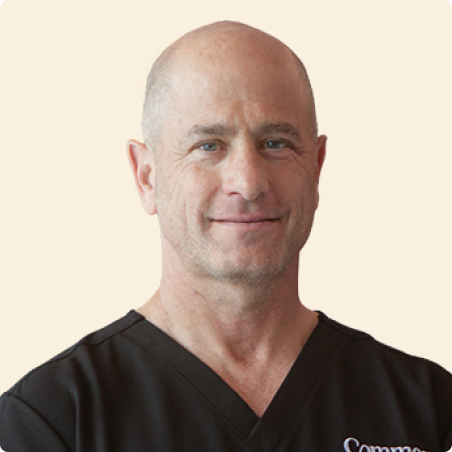
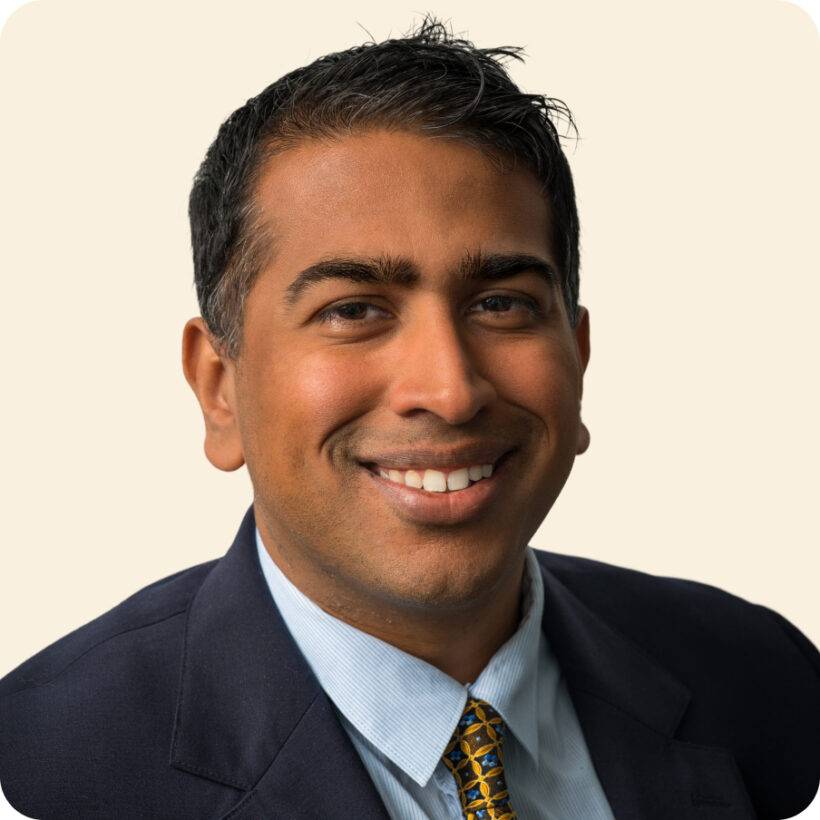
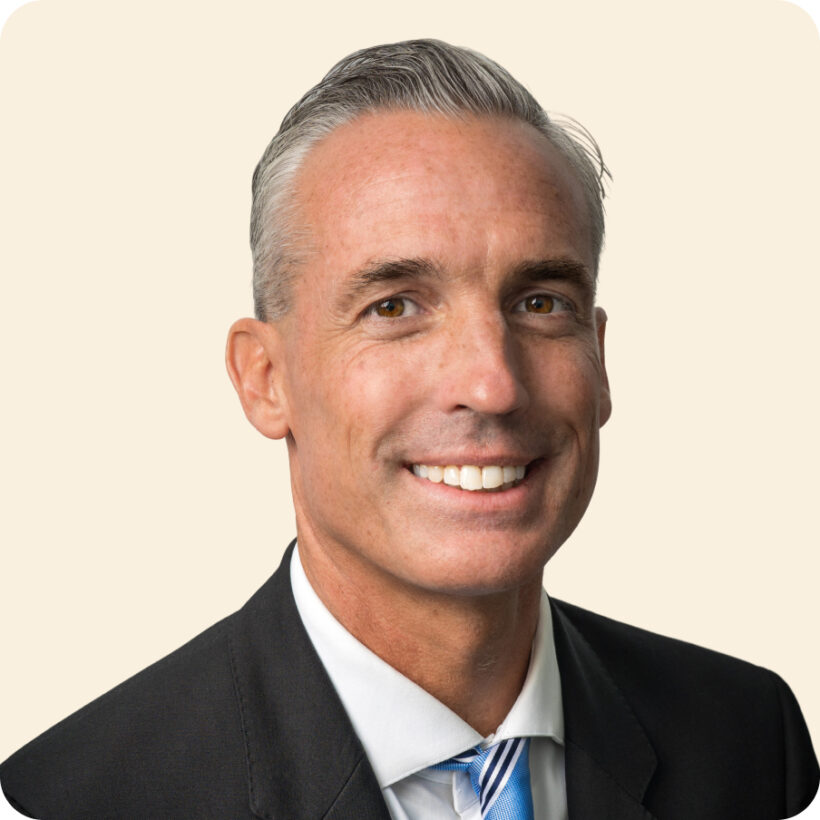
We use these medical sources to help explain your options and prepare you for a conversation with our team. Our guides feature our own clinicians; patient reviews describe individual experiences.






 (310) 595-1030