
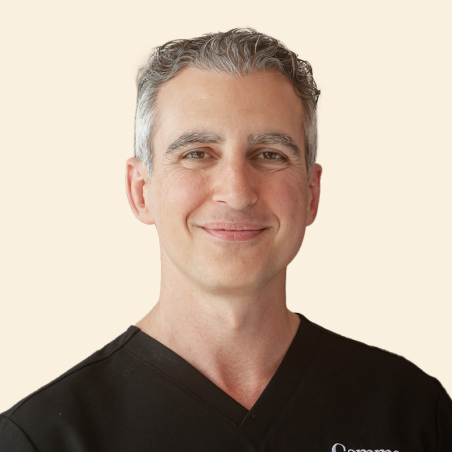
Tigran Garabekyan, MD
Orthopedic Surgeon, Hip Preservation & PAO
Book nowHip dysplasia means the socket is too shallow to cover the ball of your hip well. This can put extra pressure on the edge of the joint.
Find a physician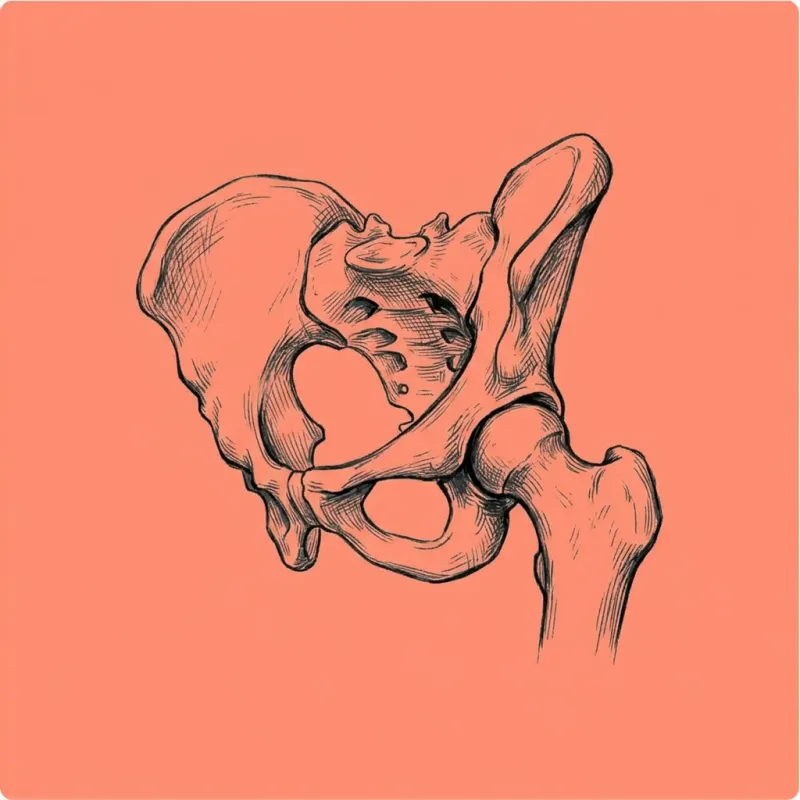
The shape develops as you grow. Some people first notice symptoms in their teens or as adults, especially with more activity.
We check your hip and look at the socket on X-rays. We can discuss strengthening and, when appropriate, surgery to improve coverage.
You can’t change the shape of your socket through exercise. We can help you find comfortable ways to stay active and strengthen the muscles around it.
We’ll set goals around what you want to do and explain how your plan might change if you need surgery.
Choose a physician below, request an appointment online, or call us at 310.437.7921.
Orthopedic Surgeon, Hip Preservation & PAO
Book nowThis material is for education. For advice about your own symptoms or treatment, talk with a qualified healthcare professional.





 (310) 828-7757