
Mark where the pain starts and name a task you want to do more comfortably.
Neck and back consult checklists
Describe where symptoms start and where they travel. Write down changes in sitting, walking, sleep, or using your hands.
Find a checklist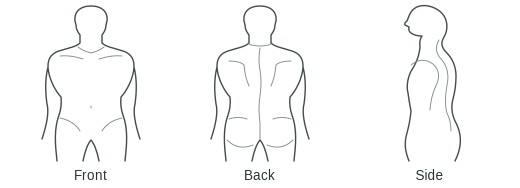
Choose your worksheet
Compare getting up, walking, and bending. Note where symptoms go beyond your back.
Mark the sore level and describe what happens with turning, reaching, or sitting.
Describe what happens at a screen, when carrying, or while reaching in front of you.
Note whether turning, looking up, looking down, or sitting limits you most.
Compare looking over each shoulder, looking up, and looking down.
Note your screen position, how long you sit, and when symptoms start.
Describe whether checking traffic or staying seated for a longer drive is harder.
For an already assessed injury, note how sleep, turning, and work changed over time.
Trace where symptoms start, which arm or fingers they reach, and what affects them.
Write which arm or fingers feel different and whether lifting or grip changed.
Compare arm and neck symptoms and write which one most affects your usual activity.
Write down changes in hands, balance, or walking and when each began.
Note how long morning stiffness lasts and which head movements remain limited.
Trace symptoms down the leg and note whether they reach below the knee or into the foot.
Show where the pain stops and whether sitting, walking, or turning changes it.
Compare back and leg symptoms and note which one limits your day more.
Write how far you walk before needing to stop and how long it takes to restart.
Describe how standing, walking, bending, or sitting changes back or leg symptoms.
Name the motion or position that limits you most and how long it takes to settle.
Mark the pain on either side of the spine and record which positions make it change.
Note changes in standing tolerance, balance, clothing fit, or the distance you walk.
Name the daily task hardest under the movement instructions you were given.
Track how long you can sit at work or in a car before you need a break.
Name a standing task and note how soon you shift position, sit, or lean.
Describe when it hurts during a task such as dressing, gardening, or picking up an item.
Describe the lift, how soon symptoms started, and other work or training tasks affected.
Write the time to symptoms and compare standing still, sitting, and leaning on support.
Note whether pain wakes you while still or when turning and how long it lasts.
Pick the symptom or lost activity you most want the clinician to connect to the report.
Write which areas feel numb or weak and where those symptoms have changed.
Compare what got easier in therapy with one activity that still has not changed.
Write when symptoms changed, for how long, and which activity became easier or harder.
Compare sitting upright, leaning back, and rising from a chair.
Note when you first noticed scuffing, tripping, or trouble lifting the front of the foot.
Map where the numbness starts, where it stops, and whether it changes with position.
Describe what changes with rolling in bed, climbing steps, or rising from a chair.
Use your worksheet at the visit
Print a copy on US Letter paper. Mark the body map or write the locations in your notes. Write a letter where you feel each symptom. Use more than one letter if needed. N Numbness · P Pins & Needles · B Burning / Aching · S Stabbing.
Bring prior images and the written reports, if you have them. Check the date, body area, and side. Ask the office which existing records it needs and how to share them. Ask your physician whether any additional test would change the plan.
Start with one activity you want to get back to. Before you leave, agree on the next step and how you’ll know if it’s helping. For related reading, see Spine.
What to write down
- Your name and visit date. Describe what you used to do, what is harder now, when it started, and what makes it better or worse.
- What you’ve tried, how long it helped, and the main thing you want to understand or decide at the visit.
- The type, date, and location of any prior imaging, and which images or reports you still need to request. Keep any visit notes, therapy notes, medication and allergy lists with your records.
- Your next step, when you’ll check in with your physician, and one small improvement you want to notice.
For more help getting ready, read what to bring to your first orthopedic visit and how to gather records for a second opinion. The AAOS guide to an orthopedic visit also covers what to bring and what to ask.






 (310) 574-0406