
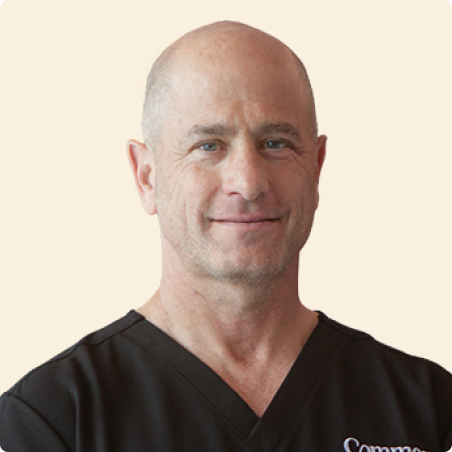
Eric S. Millstein, MD
Orthopedic Surgeon, Joints & Sports Medicine
Book nowA reverse replacement switches the positions of the ball and socket so your upper shoulder muscle can help raise the arm when the rotator cuff cannot do its usual job.
Find a physician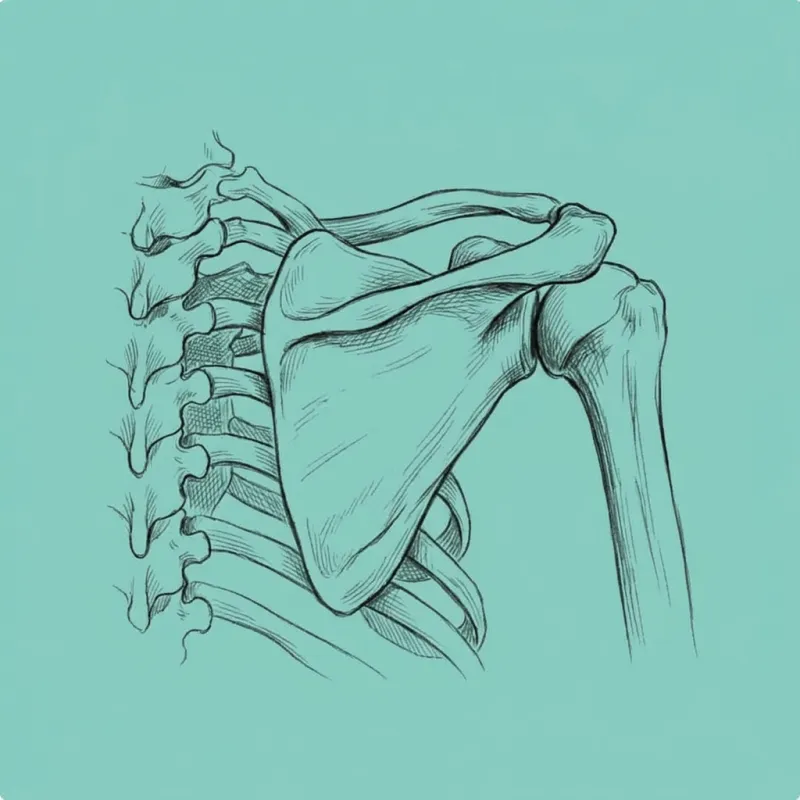
We may discuss it for arthritis with a severely damaged rotator cuff, certain fractures, or problems after previous shoulder surgery.
We use an exam and imaging to see how well your rotator cuff and shoulder muscles work and whether this design fits your needs.
Set up clothes, meals, and frequently used items so you can reach them with your other arm at first.
We help you protect the shoulder as it heals and then add motion and strength in stages.
Choose a physician below, request an appointment online, or call us at 310.437.7921.
Orthopedic Surgeon, Joints & Sports Medicine
Book now
Orthopedic Surgeon, Joints & Sports Medicine
Book nowThis material is for education. For advice about your own symptoms or treatment, talk with a qualified healthcare professional.





 (310) 828-7757