

Allyson Estess, MD
Orthopedic Surgeon, Sports Medicine
Book nowFrozen shoulder happens when the tissue around the joint tightens. Even when someone helps move your arm, the shoulder stays stiff.
Find a physician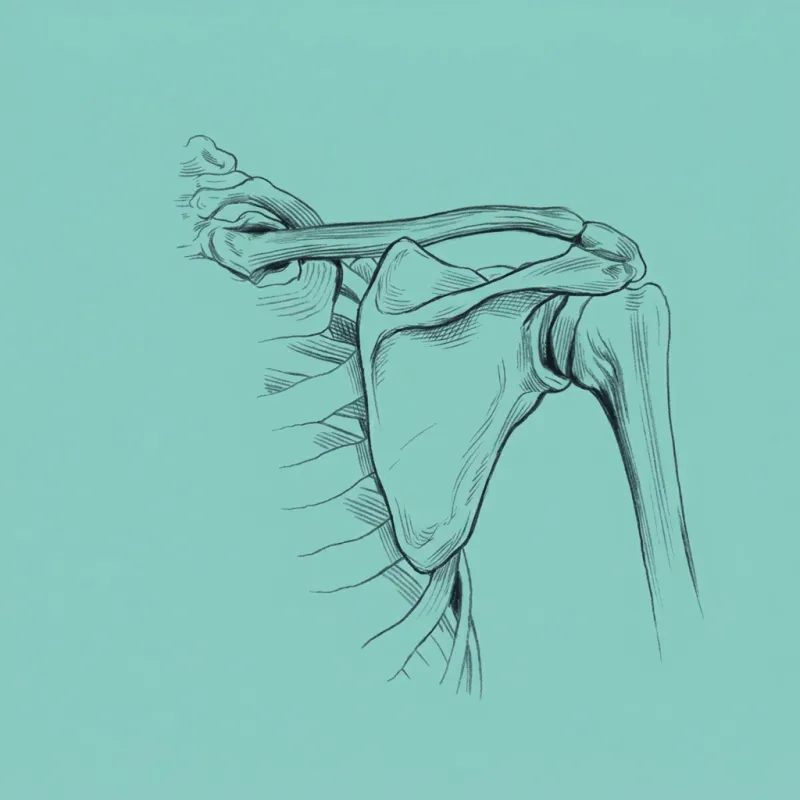
Pain and stiffness may build slowly, sometimes after surgery or a period of limited movement. It is more common in people with diabetes.
We compare active and assisted motion and check for other causes. We can discuss gentle therapy, an injection, or other options if stiffness persists.
After an injury or operation, follow your movement plan when it’s safe to avoid unnecessary time without moving the shoulder.
Progress is often gradual. We’ll help you track useful changes, like reaching a higher shelf or getting dressed more easily.
Choose a physician below, request an appointment online, or call us at 310.437.7921.
Orthopedic Surgeon, Sports Medicine
Book now
Orthopedic Surgeon, Joints & Sports Medicine
Book now
Orthopedic Surgeon, Joints & Sports Medicine
Book now
Physical Medicine and Rehabilitation, Pain Management
Book nowThis material is for education. For advice about your own symptoms or treatment, talk with a qualified healthcare professional.





 (310) 828-7757