
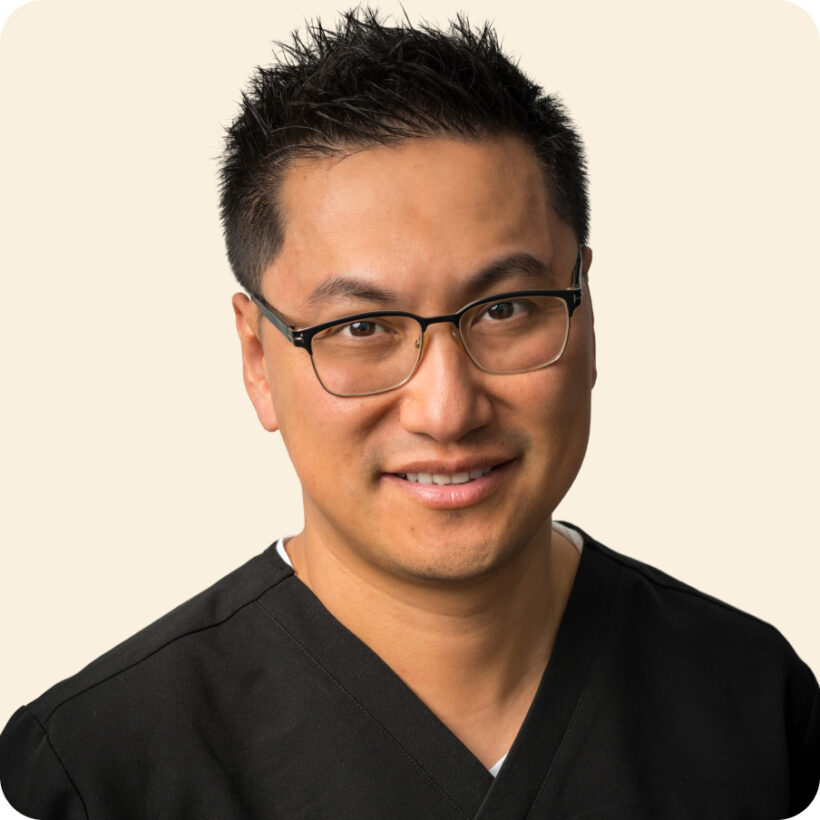
Richard Ahn, MD
Orthopedic Surgeon, Sports Medicine – Elbow, wrist, and hand
Book nowIf your elbow stops short when you try to straighten it, catches with movement, or hurts when you reach your usual limit, we can check what’s blocking it. A bone spur seen on an X-ray may explain some symptoms. We’ll examine your elbow and compare the images with what happens when you move before we discuss removing anything. [1, 2]
Book now(310) 437-7921
A bone spur is a bony growth at the edge of a joint. Spurs can develop as an elbow joint changes with arthritis or after an injury. A spur can limit motion if it contacts bone when you bend or straighten the arm. Stiff tissue, arthritis affecting a larger part of the joint, and loose pieces of bone or cartilage can also limit motion. [1, 2]
Tell us whether the elbow hurts at the end of movement or through most of its range. That difference helps us decide whether a discrete spur could be part of the problem. A spur can coexist with other changes, so removing it may help one movement while other symptoms remain. [1, 2]
Seek urgent assessment after significant injury if the elbow looks out of place, or if you lose feeling or movement. A hot and swollen joint with fever also deserves urgent assessment. [3]
We’ll examine how the elbow bends, straightens and turns, and look for signs of pain coming from the joint or a nearby nerve. X-rays can help us see the shape of the joint or a spur. Additional imaging can help when we need to understand which structure blocks movement. [1, 2]
Activity changes, therapy or other nonsurgical care may help you use the elbow with less pain. If one spur or loose fragment seems to be driving a block and symptoms remain limiting, we can discuss removal. Arthroscopy can help in select cases. Other situations may need an open approach or attention to a nerve or stiff tissue. We’ll explain what the plan is meant to improve and the risks, including persistent stiffness, infection or nerve injury. [1, 2]
Tell us whether the elbow locks or just feels too painful to move farther. Note what has become difficult, such as eating, washing your hair, or doing a job that needs a long reach. Bring records of previous injuries, operations and treatments. If you’ve already tried therapy or an injection, tell us what it changed.
If removal is appropriate, your care team will explain how to protect the wound, when to begin movement, and whether you may benefit from therapy. Recovery depends on what else was treated and what was limiting you before surgery. We’ll review whether motion is improving and what you can do with the range you have. [1, 2]
Ask before lifting heavier items, driving or returning to repetitive work. Contact your surgical team for fever, increasing redness or drainage, or unexpected changes in sensation or strength.
Richard Ahn, MD is a fellowship-trained orthopedic surgeon specializing in elbow, wrist, and hand care. He can evaluate whether a spur explains the symptoms and discuss which treatments fit your needs.
Orthopedic Surgeon, Sports Medicine – Elbow, wrist, and hand
Book nowWe offer elbow evaluations in Lakewood and Long Beach – Douglas Park. If we recommend a procedure, we’ll confirm its location separately.
Richard Ahn, MD
Orthopedic Surgeon, Sports Medicine – Elbow, wrist, and hand
Call us at (310) 437-7921.
Richard Ahn, MD
Orthopedic Surgeon, Sports Medicine – Elbow, wrist, and hand
Call us at (310) 437-7921.






 (310) 423-9834