
What happens during an EMG and nerve conduction study?
An EMG visit helps your care team investigate a question about how your nerves and muscles work. You may have two tests during the same appointment. In a nerve conduction study, small electrical pulses stimulate a nerve through the skin, and sensors record the response. During needle electromyography, or EMG, a clinician places a fine recording needle in selected muscles and listens to and measures their electrical activity. You'll usually relax a muscle first, then gently tighten it when asked. The examiner chooses the areas to test based on your symptoms, exam and referral question. MedlinePlus patient guide
If you were referred because your hand keeps going numb, you probably also want to know what happens if the result comes back normal. A normal finding describes what the examiner could measure in the nerves and muscles tested that day. Your symptoms still belong in the conversation. The most useful question at your follow-up is, “Given what you tested and what I’m still experiencing, what do you think we should do next?”
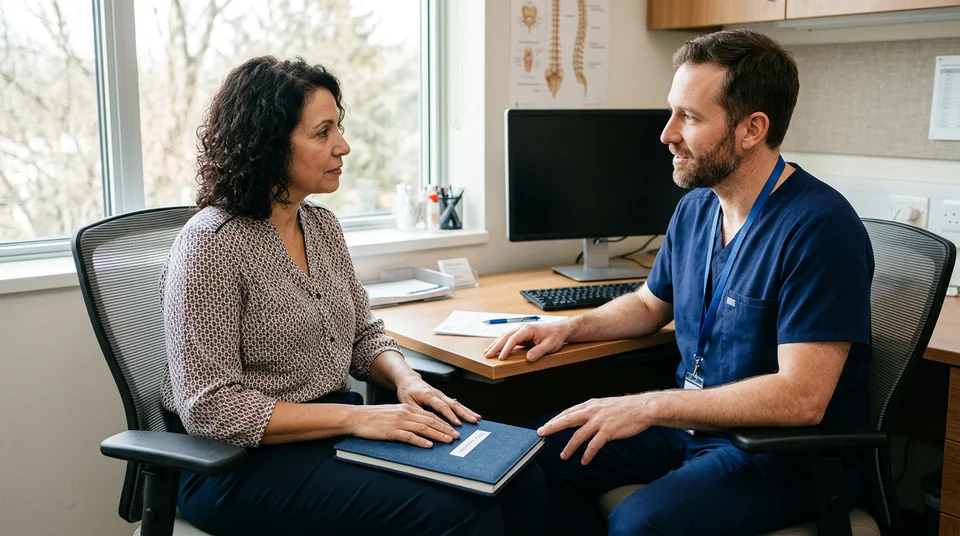
Why did my clinician order this test?
Suppose you wake up with tingling in one hand. Over the next few weeks you notice the feeling when you drive, too. You may describe the whole hand as asleep at first. When someone asks you to point to the area, you realize that some fingers bother you much more than others. Those details help the clinician decide which nerves to examine. Two people referred for “hand numbness” can reasonably have different examinations and different tests.
An electrodiagnostic evaluation can help localize a problem: for example, whether a finding fits a nerve affected at the wrist or suggests involvement farther up the arm. Another referral may ask whether a muscle is responding as expected to the signals it receives. The referring clinician may already have a working diagnosis and want information about severity, or may be choosing between several explanations. Knowing which question prompted your referral makes the report easier to discuss afterward. AANEM referral guidance
If the order just says “EMG,” you can ask the referring office for a plain-language version of the question. Try, “Are we trying to find where the nerve is affected, understand the weakness, or decide which specialist I should see?” It is fine if the answer is that more than one explanation is possible. Bring that uncertainty with you. You don’t have to arrive knowing which nerve is involved.
What each part feels like
The nerve conduction study. The clinician places recording electrodes on your skin and stimulates a selected nerve at one or more points. You may feel a brief tapping, tingling or shock-like sensation. A muscle may twitch. The equipment measures features of the response, including timing and size. The clinician may move the sensors or repeat a measurement at a different point. Hearing another pulse tells you very little about whether the preceding measurement was normal. It can simply be the next part of the comparison. MedlinePlus
The needle EMG. Joseph H. Feinberg, MD, a physiatrist at Hospital for Special Surgery, explains, “Each needle has a microscopic electrode that picks up both the normal and abnormal electrical signals given off by a muscle.” That’s why the examiner asks you to relax your hand and then gently squeeze. The needle picks up how the signal changes when the muscle starts working. The crackling you may hear is that activity turned into sound. Read Dr. Feinberg’s EMG guide
The small electrical pulses come from the pads on your skin. For the needle portion, the examiner selects the muscles that can best answer your referral question. Hospital for Special Surgery describes visits that typically take 30 to 90 minutes. Ask your testing center how much time to allow for your visit, including check-in. HSS patient guide
What to tell the testing center before you arrive
Have your medication list available when you call, especially if you take an anticoagulant or other medicine that affects bleeding. Tell the team if you have a pacemaker or an implanted defibrillator, or a history of unusual bleeding. These details help the examiner plan safely. Ask the testing center for instructions about your particular medication or device. Make medication changes only with instructions from the clinician responsible for that decision. MedlinePlus preparation guidance
Ask how to prepare your skin and what to wear. Many centers ask you to skip lotion on the areas that will be tested so the electrodes stick well. Loose clothing can make it easier to reach an arm, shoulder or leg. If changing clothes, lying flat, transferring onto an exam table or holding a position is difficult, mention that when you book. You can also ask about an interpreter, a support person or a break between portions of the exam. Knowing what matters to you gives the team a chance to prepare before you arrive.
If you have had a similar test elsewhere, ask whether the new examiner wants the full report. A portal message that says “mild carpal tunnel” may leave out which side was tested, what the referral question was and whether the needle portion was performed. Bring the date and the name of the facility if you do not have the report yet. If you also have an MRI, ask which imaging and reports the team needs and how to share them. The appointment confirmation should tell you the actual testing location. Your consultation address and testing address may be different.
How to describe symptoms when they come and go
It is common for a symptom to be absent in the exam room. Describe an episode you remember clearly. A useful account might sound like this: “On Tuesday I woke up with tingling in my thumb and the next two fingers on the right. Shaking my hand helped. Yesterday I noticed it while holding the steering wheel.” That gives the examiner a side, an area, situations in which it happens and something that changes it. You do not have to reproduce it on demand.
Describe strength in terms of a task. “I have trouble turning the key with my right hand” is useful even if you cannot tell whether pain, numbness or weakness makes the task difficult. If lifting your foot has changed, describe what actually happens on the stairs and when you first noticed it. Distinguish an intermittent sensation you’ve had for months from a new loss of function this week. If both sides bother you, say which started first and whether they feel the same.
Include previous injuries, operations, treatments and changes since the referral was written. A wrist splint that reduces nighttime waking is worth mentioning even if daytime tingling persists. So is pain that extends from the neck through the arm, or a separate problem in the other hand. These details guide the examination without committing you to a diagnosis. A one-page note is enough. There is no need to create a perfect symptom diary before seeking care.
What does a normal result mean if my hand still feels numb?
Start with what the report actually says. “Normal nerve conduction studies” refers to one part of the evaluation. A clinician might have performed a needle examination as well, or the original question might have been addressed with selected conduction tests. Ask which nerves, muscles and side were examined. Then ask what the findings make less likely and what questions remain open. The clinician who knows your history can connect the result to changes in your symptoms and examination.
Research offers an example of why that conversation matters. In one prospective study, researchers followed patients who had already received a clinical diagnosis of carpal tunnel syndrome and were selected for surgery. Of 94 people who completed follow-up, 47 had normal nerve conduction studies before surgery. Both groups reported better function four months afterward. This was a selected surgical group with short follow-up. It cannot tell an individual with new hand numbness whether they have carpal tunnel syndrome or whether surgery would help them. It does illustrate why a normal conduction result and a clinician’s examination can each contribute different information. Original study indexed on PubMed
Consider two follow-up visits. In one, a patient says the tingling is easing, sleep has improved and grip feels normal. In the other, someone who had occasional tingling now regularly drops objects and has difficulty using a button. Both could arrive with the same word, “normal,” on an earlier report. The change in function is important information for the clinician deciding what needs another look. Give the dates of the test and the change, and ask whether the original referral still captures the question you need answered.
If an initial study does not explain the symptom, the next conversation might involve reviewing how long the problem has been present, repeating the physical exam, looking at a different possible source or observing a specific change over time. Ask what would change the plan and who you should contact if it happens. A repeat test is a clinical decision. If one is proposed, ask what additional information it might provide and why the timing matters for your particular question.
How does EMG fit with MRI and the physical examination?
An MRI gives the team a picture of anatomy. An electrodiagnostic evaluation examines aspects of nerve and muscle function. Your history and examination help the team decide whether either test explains what you feel. A patient with a neck MRI and tingling fingers may reasonably ask, “Does the pattern in my hand match the finding in my neck?” That is a more useful starting point than assuming every finding in either report is causing a symptom.
Bring both reports if your clinicians ask for them. Say which symptom you most want explained. If the clinician points to an imaging finding, ask what feature of your history, exam or electrical testing makes it a good match. If the tests point in different directions, ask which finding affects the decision in front of you. That decision may be about a follow-up visit, an additional evaluation or a treatment discussion. Seeing the word “abnormal” in a portal does not, by itself, tell you which of those decisions applies.
A previous result can also supply context. If an earlier test was for left-hand symptoms and your current problem is on the right, bring that distinction to the visit. If you’ve had an operation since the previous test, include its date and side. Two reports may use different wording or study different sites. Ask the examiner whether they can be meaningfully compared before treating a change in terminology as a change in your health.
What if I’m worried about the test or need a pause?
Tell the examiner which part worries you. Someone who once fainted during a blood draw may want to discuss positioning. Another person may be comfortable with needles but have difficulty staying still because of shoulder pain. Those are different concerns, and a specific request is easier to act on. Try, “Could you explain each step before starting it?” or “That position pulls on my shoulder. Is there another way to support my arm?”
Ask how to signal for a pause if you feel lightheaded or uncomfortable. You can discuss the reason for another measurement and what it would add. If a portion of the study cannot be completed, ask what the completed portion can answer and what limitation will be recorded for the referring clinician. This is particularly useful if a later portal summary uses a short phrase to describe a longer appointment.
What if the report lands in my portal before my appointment?
First, check the date, side and reason for referral at the top of the document. A report may include tables of numbers followed by a shorter interpretation. If the question was about waking at night with right-hand tingling, look for where the impression discusses that hand. Circle the words you would like explained. You can bring the report just as it is; no one expects you to interpret a tracing or decide which number matters.
Next, make two short lists. On one side, write what was happening when the test was ordered. On the other, write what has happened since. For instance, you might note that nighttime waking has become less frequent since you changed your work setup, while opening jars has become harder. That distinction can get lost in a quick answer to “Are you better?” It also gives the clinician a starting point for discussing which difficulty matters most to you.
Finally, bring one question about the decision ahead. If a referral to another specialist is suggested, you might ask what that person is being asked to evaluate and whether their office needs the tables as well as the impression. If the next step is observation, ask what you should track, when to check back and what change should prompt an earlier conversation. Write the answers on the same page as your initial question so you can refer to them later.
Who explains my results and when?
Before you leave, ask who will go over the results with you and when to expect that conversation. If your hand still feels numb, bring one example to the visit, such as which fingers go numb when you hold your phone. Ask how well the test findings explain that pattern.
When you receive the report, begin with the reason for referral and the impression. Ask the clinician to explain the main finding in everyday words, point to the body area it concerns and tell you how confident they are that it explains your symptoms. If a report mentions a second finding, ask whether it needs attention now, follow-up later or simply documentation. You can also ask, “Which normal findings helped you decide that?” Normal measurements can be informative even when another part of the study shows a change.
A helpful way to close is to repeat the plan in your own words. For example: “I’ll arrange a follow-up with the person who ordered this, bring my prior wrist report and call sooner if my grip gets worse. Have I understood that correctly?” If you have two clinicians involved, clarify who owns the next appointment. Write down a contact and a time frame, particularly if your portal releases results before a clinician has discussed them with you.
What should I expect afterward?
You may have temporary soreness or a small bruise where a needle was placed. Before you leave, ask what the examiner expects for the sites tested, what to do if bleeding continues, and whom to call for symptoms that are more pronounced or persistent than expected. Mention medicines that affect bleeding when discussing aftercare, even if they are already on your medication list. Your testing team can tailor instructions to the actual examination. MedlinePlus risks and aftercare
An upcoming routine test is separate from urgent care. If you suddenly develop weakness on one side, facial drooping or trouble speaking, call 911. If you develop new or worsening weakness while waiting for the appointment, contact your clinician promptly about the change. Give them the date the weakness began, what movement has changed and whether it is progressing. CDC stroke signs
Your one-page appointment checklist
Copy this into your phone or print it. Fill in what you know. Leave anything uncertain blank so you can ask.
| Before the test | My note |
|---|---|
| What does the referring clinician want to learn? | |
| Which side and which fingers, toes or body areas are affected? | |
| When did it begin? Is it constant, intermittent or changing? | |
| What task has become harder? What still feels normal? | |
| Which prior injuries, operations, imaging or nerve tests are relevant? | |
| What medicines or implanted devices should the test team know about? | |
| Do I need positioning help, an interpreter, or other arrangements? | |
| Which address and suite did the testing center confirm? |
Before you leave, add the names of the tests performed, who receives the report, how to get a copy and who will discuss it with you. At follow-up, ask what the study explained, what is still uncertain and what change should prompt an earlier call.
Getting care at Commons Clinic
If ongoing hand numbness is interrupting work or sleep, we can help you arrange an evaluation. For symptoms centered in the hand or wrist, Richard Ahn, MD, our hand and upper-extremity surgeon, sees patients in Lakewood. Bring the written test interpretation if you have it. If the question is how neck or arm symptoms affect your movement and everyday function, Evish Kamrava, MD, specializes in physical medicine and rehabilitation and pain management. When scheduling, tell our team whether you need to discuss symptoms, review an existing result or find the testing location named on a referral.
Request an appointment or call us at 310-437-7921.
Learn More
- American Association of Neuromuscular & Electrodiagnostic Medicine — indications for referral
- MedlinePlus — electromyography and nerve conduction studies
- Joseph H. Feinberg, MD, Hospital for Special Surgery — EMG Testing: A Patient’s Guide, source of the specialist quotation
- Prospective study — outcome of carpal tunnel release in patients with normal nerve conduction studies
- Centers for Disease Control and Prevention — signs and symptoms of stroke
Related guides
Hand numbness: questions to bring to your visit
Describe which fingers are affected and the tasks that bring symptoms on.
Understanding cervical radiculopathy care
Prepare for a discussion about symptoms that travel from the neck into the arm.






 (562) 348-4588