
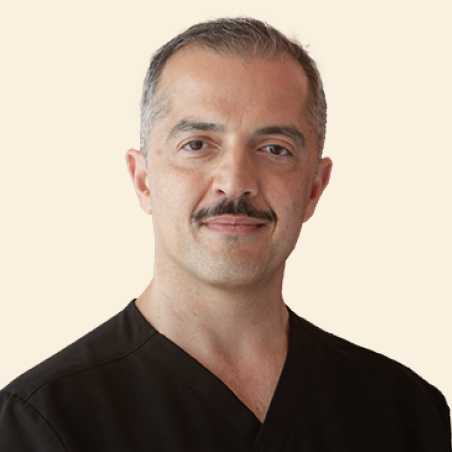
Evish Kamrava, MD
Physical Medicine and Rehabilitation, Pain Management
Book nowIf pain after an injury makes it hard to put on a sock or use your hand and your care team has mentioned a sympathetic nerve block, ask what the block would change in your treatment plan. At Commons Clinic, we explain why this procedure may be discussed for selected patients, what it can tell us and how it might fit with rehabilitation. [1, 2]
Book now(310) 437-7921
Your sympathetic nerves help regulate automatic functions such as sweating and blood flow. A sympathetic nerve block places numbing medicine near a group of these nerves. For arm or hand symptoms, a specialist may discuss a stellate ganglion block near the base of the neck. For leg or foot symptoms, the target may be near the lower spine. The purpose differs from an epidural injection or a block used to numb a limb for surgery. [1, 3]
A pain specialist may consider whether these nerves play a role in complex regional pain syndrome (CRPS). CRPS can develop after an injury or operation and can involve changes in sensitivity, movement, temperature, skin color or swelling. A sympathetic block by itself does not establish a CRPS diagnosis. [1, 2]
Tell us if light touch has become painful, if one hand or foot changes color or temperature, or if pain has made it harder to move a limb. Let us know what happened before the symptoms started, how they affect sleep or therapy, and what you can still do. Several problems can produce some of these symptoms. We look at the pattern and examine you before choosing treatment. [1, 2]
We review your symptoms, previous treatment and ability to use the limb. If CRPS is possible, we’ll discuss the assessment and how to keep rehabilitation moving. The evidence for dependable, lasting pain relief from local-anesthetic sympathetic blocks is limited. A specialist may consider a block in selected cases to explore whether sympathetic nerves contribute to pain or whether a short period of relief could help you participate in therapy. A change in skin warmth alone does not show that the block improved your pain or function. [1, 2]
If a block is recommended, the team explains which area it will target, whether it will use imaging and what medicine is planned. Ask how long the anesthetic effect may last and when to report changes. If you get little relief, we will review what the result can tell us and adjust the care plan. A series of blocks should depend on a clear reason to repeat the procedure. [1, 2, 3]
Bring a list of medicines, allergies and past reactions to anesthesia or contrast. Tell us about medicines that affect bleeding. Check with the prescriber and procedure team before making changes. Confirm whether you will need to fast, have a ride or adjust therapy appointments. [3]
Choose a task you want to be able to do, such as tolerate a sock or take part in a therapy session. Ask what activity is safe after the block and when to record how it feels. Include when changes started and stopped and whether they made a meaningful difference. [1, 2]
The team will tell you what temporary effects to expect for your specific block and when to call. An arm or leg may feel warmer. Some people notice voice changes or a drooping eyelid after a neck block. Stay in touch with your care team if symptoms persist beyond what they described or if you develop fever, increasing redness or new limb weakness. Call 911 if you have trouble breathing or throat swelling. Follow your written instructions on driving and activity. [3, 4]
Our fellowship-trained interventional pain specialist Evish Kamrava, MD evaluates persistent nerve and musculoskeletal pain at Westlake Village. He can discuss whether a sympathetic block would answer a useful question and how your care team would use the result. We confirm the procedural clinician and facility separately.
Physical Medicine and Rehabilitation, Pain Management
Book nowOur pain management team helps you compare rehabilitation, pain management and the role of a targeted procedure when it could change what you do next.
We see you for a pain evaluation in Westlake Village, where we list sympathetic blocks among our pain care options. If a block fits your care plan, our team will confirm the appointment location. Book now or call (310) 437-7921.
Evish Kamrava, MD
Physical Medicine and Rehabilitation, Pain Management
Call us at (310) 437-7921.






 (310) 423-9834