
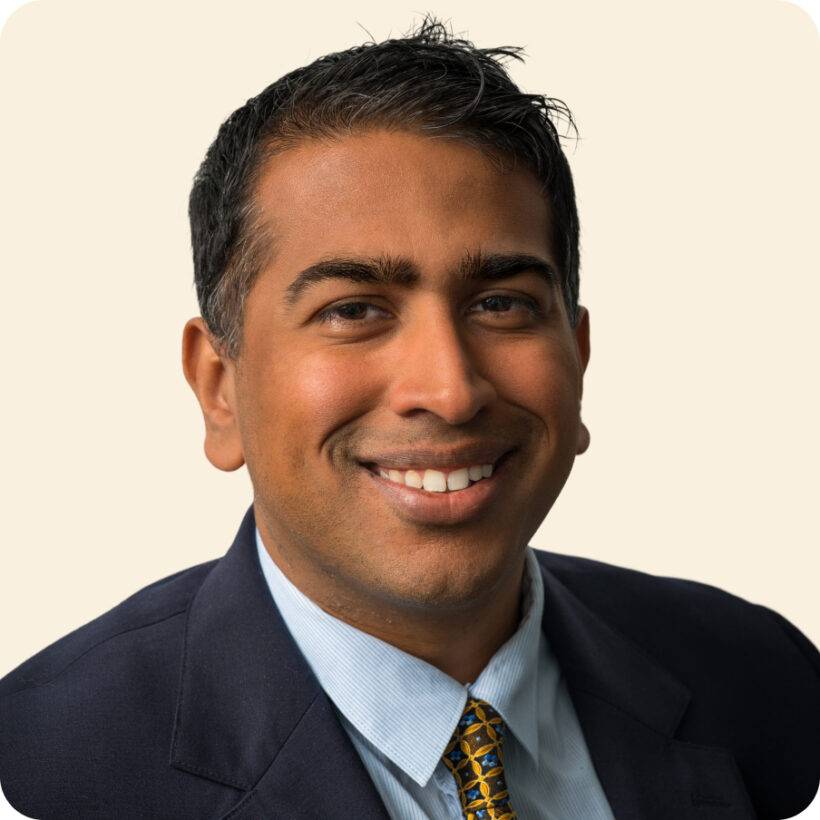
Prem N. Ramkumar, MD, MBA
Orthopedic Surgeon, Joints & Sports Medicine
Book nowIf a torn tendon is making it hard to raise your arm, climb stairs or straighten your knee, we can help you understand what an operation might restore and what recovery could involve. Where the tendon is injured determines which specialist we’ll suggest. Start by telling us which movement you’ve lost and what you need to get back to.
Book now(310) 437-7921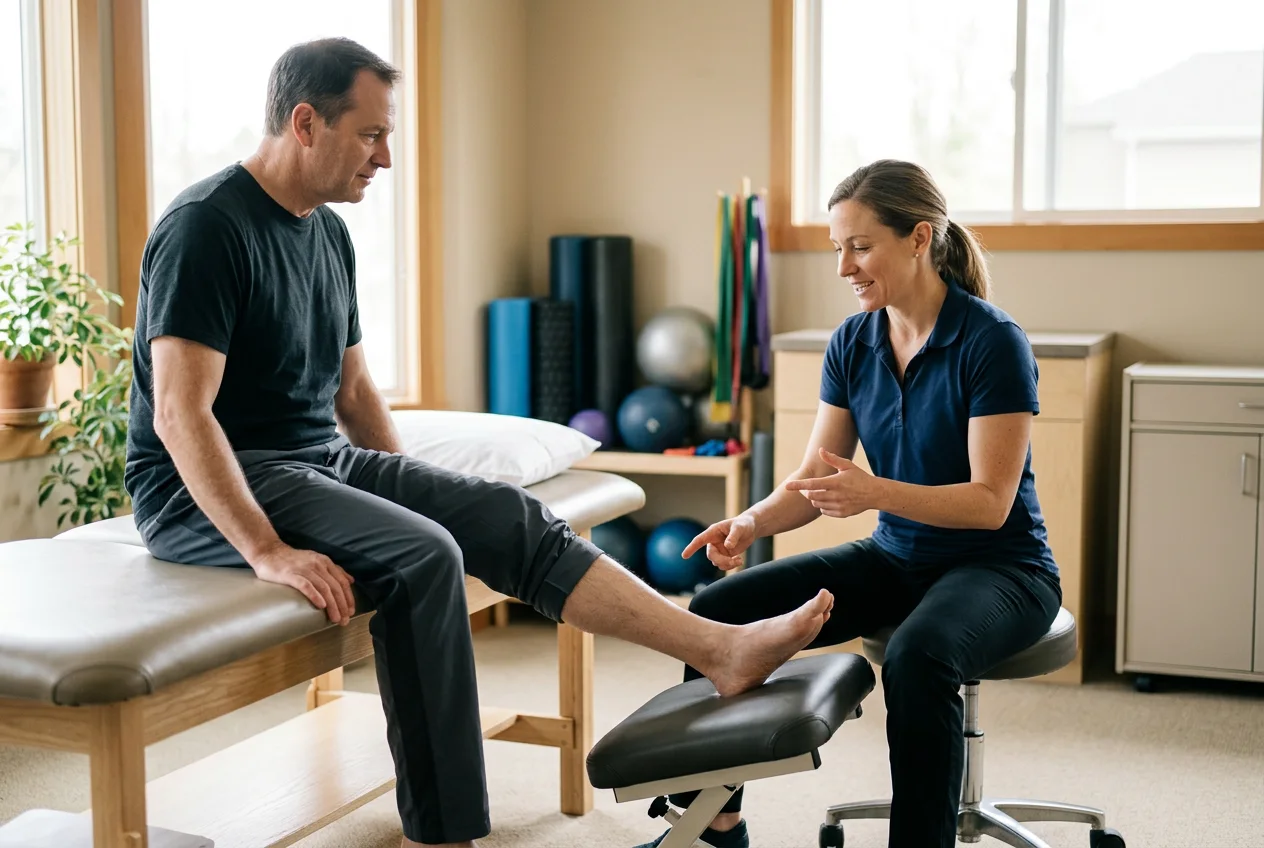
A tendon attaches muscle to bone. In the shoulder, the rotator cuff tendons help lift and turn the arm. A tear can develop over time or happen after a fall or sudden load. Around the knee, the quadriceps and patellar tendons help you straighten the leg. A fall or an awkward landing can tear one of these tendons and make it difficult to stand or walk safely. [1, 2, 3]
Tell us if shoulder pain comes with weakness when you reach overhead, or if you lost the ability to lift your arm after a fall. Around the knee, a pop followed by swelling, buckling or trouble straightening the leg may signal an injury that needs prompt assessment. Seek emergency care after a severe injury if the limb looks out of place, becomes pale or cold, or suddenly loses feeling. [1, 2, 3, 4]
We’ll check which tendon may be involved, how the joint moves and which activities are difficult. If imaging will affect the plan, we’ll explain what it can show. We’ll also discuss which treatment options fit your injury, your health and your goals. For example, some people with a rotator cuff tear may start with rehabilitation. An injury that breaks the connection needed to straighten the knee raises a different decision. [1, 2, 3]
If repair is appropriate, ask which movement the operation is intended to restore and what might limit the result. We’ll explain how the tendon would be protected, what help you may need at home and where care will take place. For hand, wrist or elbow injuries, start with our hand, wrist and elbow tendon repair and reconstruction service.
Bring your exam notes, any imaging, and the brace or sling you were given. Tell us how the injury happened, what you could do before it and which movements have changed. If you’re deciding about surgery, ask what the plan looks like with or without a repair and what would change the recommendation.
Your early plan may include a sling or brace and limits on lifting, movement or weight bearing. Later, your team may add exercises and practice with activities such as reaching, climbing stairs or returning to work. We use your progress and the demands of your activity to guide these changes. The timetable depends on the tendon and the procedure. [1, 2, 3]
Our sports medicine surgeon Allyson Estess, MD can evaluate sports-related shoulder injuries, including rotator cuff tears. Our orthopedic surgeon Prem N. Ramkumar, MD, MBA specializes in hip and knee care, including sports injuries. When you book, tell us where you’re injured so we can match you to the appropriate evaluation.
Orthopedic Surgeon, Joints & Sports Medicine
Book now
Orthopedic Surgeon, Sports Medicine
Book nowWe offer shoulder evaluations at Long Beach – Bixby Knolls and Torrance, and hip and knee evaluations at Lakewood and Long Beach – Douglas Park. If you and your surgeon decide on a procedure, we’ll confirm where it will take place.
Prem N. Ramkumar, MD, MBA
Orthopedic Surgeon, Joints & Sports Medicine
Call us at (310) 437-7921.
Allyson Estess, MD
Orthopedic Surgeon, Sports Medicine
Call us at (310) 437-7921.
Prem N. Ramkumar, MD, MBA
Orthopedic Surgeon, Joints & Sports Medicine
Call us at (310) 437-7921.
Allyson Estess, MD
Orthopedic Surgeon, Sports Medicine
Call us at (310) 437-7921.






 (310) 423-9834