

Christopher Combs, MD
Orthopedic Surgeon, Joints & Sports Medicine
Book nowIf pain keeps you from taking the stairs, running, kneeling at work or walking the dog, we can help you work out what is behind it. We’ll ask how the pain started, what makes it worse, and whether the knee feels stiff, swollen or unsteady. Those details help us choose what to examine and plan your next step.
Book now(310) 437-7921
Pain can start suddenly when you twist the knee, land awkwardly or receive a direct blow. Those injuries can affect a ligament, meniscus, tendon or bone. A meniscus tear can cause pain along the joint, and a knee that gives way after a pivot may need a closer look for an ACL injury. The way the injury happened and how quickly swelling appeared help guide the examination. [1, 2]
Pain can also build gradually. Pain around the kneecap may worsen on stairs, during squats or after sitting. It can follow a change in training or other repeated loading. Knee osteoarthritis can cause stiffness and pain with walking, bending or getting out of a chair, though tendon, kneecap and other problems can occur at any adult age. Symptoms overlap. We’ll use your history and examination to work out which structures may be involved. [1, 2, 3, 4]
Seek urgent assessment if a new injury leaves you unable to bear weight, the knee is very swollen, or the joint looks misshapen. Get urgent care for a hot, red knee with fever or feeling unwell. [1]
We’ll examine your gait, strength, range of motion and the areas that hurt. If you felt a shift, heard a pop or noticed swelling, tell us in what order those events happened. We may test ligament stability and check which movements reproduce the pain. When imaging is useful for ongoing knee pain, X-rays are generally the first step. MRI or other tests may help answer a specific question if the results could change care. [2]
We can talk through how to stay active while reducing the load that brings symptoms on. Depending on the cause, we may recommend rehabilitation to improve motion, leg strength and control. A brace or an injection can come up in selected situations. If the exam points to an injury that may benefit from surgery or arthritis that continues to limit everyday life, we’ll explain those options and what recovery would involve. [2, 3, 4]
Keep a short record of which movements hurt, when the knee swells, and how long symptoms last afterward. If there was an injury, bring prior imaging or notes from urgent care. Write down which treatments or exercises you’ve tried and what changed. Telling us what you want back, whether that’s shorter walks without pain or a return to sport, makes it easier to agree on a goal you can measure.
Until you know more, avoid repeatedly testing movements that make the knee give way or swell. If an exercise usually feels manageable but the next day brings a flare, tell your clinician so we can adjust the plan.
Your timeline depends on why the knee hurts and what you need it to do. Early goals may include more comfortable walking, less swelling or better motion. Later goals might include stairs, a longer shift on your feet, strength training or a return to running. At follow-up, we can compare what the knee can do now with what it could do when you first came in. If the plan leaves you no closer to your goals, we’ll reassess the cause and your options. [2, 3, 4]
Allyson Estess, MD, Eric S. Millstein, MD, Christopher Combs, MD, Andrew Wassef, MD, and Prem N. Ramkumar, MD, MBA can help match a knee evaluation to the injury and what you want to return to.
Orthopedic Surgeon, Joints & Sports Medicine
Book now
Orthopedic Surgeon, Joints
Book now
Orthopedic Surgeon, Joints & Sports Medicine
Book now
Orthopedic Surgeon, Sports Medicine
Book now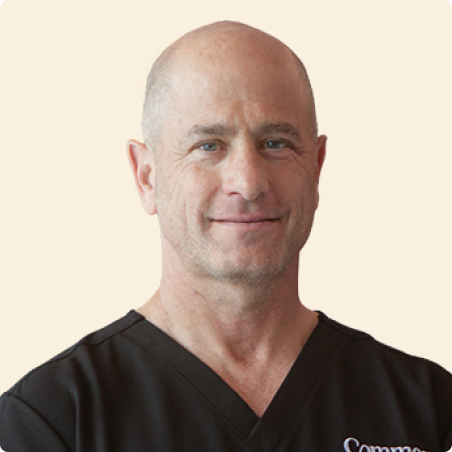
Orthopedic Surgeon, Joints & Sports Medicine
Book nowWe offer knee evaluations in Lakewood, Long Beach – Bixby Knolls, Long Beach – Douglas Park, Marina del Rey, Santa Monica, and Torrance. We’ll help you choose the right office and visit.
Christopher Combs, MD
Orthopedic Surgeon, Joints & Sports Medicine
Andrew Wassef, MD
Orthopedic Surgeon, Joints
Prem N. Ramkumar, MD, MBA
Orthopedic Surgeon, Joints & Sports Medicine
Call us at (310) 437-7921.
Allyson Estess, MD
Orthopedic Surgeon, Sports Medicine
Call us at (310) 437-7921.
Christopher Combs, MD
Orthopedic Surgeon, Joints & Sports Medicine
Andrew Wassef, MD
Orthopedic Surgeon, Joints
Prem N. Ramkumar, MD, MBA
Orthopedic Surgeon, Joints & Sports Medicine
Call us at (310) 437-7921.
Allyson Estess, MD
Orthopedic Surgeon, Sports Medicine
Call us at (310) 437-7921.
Eric S. Millstein, MD
Orthopedic Surgeon, Joints & Sports Medicine
Call us at (310) 437-7921.
Allyson Estess, MD
Orthopedic Surgeon, Sports Medicine
Call us at (310) 437-7921.






 (310) 423-9834