
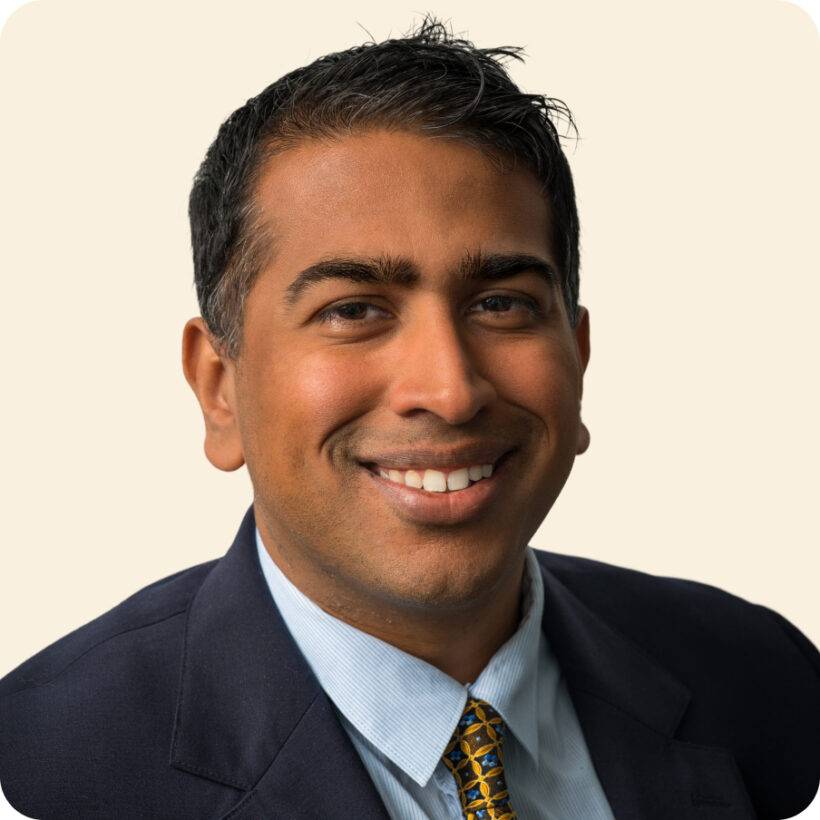
Prem N. Ramkumar, MD, MBA
Orthopedic Surgeon, Joints & Sports Medicine
Book nowIf your knee repeatedly swells or hurts at the same spot after an injury, we can help find out whether a damaged area of cartilage is part of the problem. We’ll discuss which treatments can improve how the knee works and when a procedure aimed at repairing or replacing cartilage may be worth considering.
Book now(310) 437-7921
Articular cartilage is the smooth layer covering the ends of the bones inside the knee. An injury or years of stress can damage a specific patch, sometimes together with the bone underneath. A tear in the meniscus involves a different kind of cartilage that cushions and distributes load. These problems can occur together. [1]
Cartilage restoration is a group of procedures aimed at a limited area of joint-surface damage. It is a different decision from treating arthritis that affects much of the joint. Exercise can improve strength and function, but a home program cannot reliably rebuild the missing surface of a focal defect. We’ll first ask if the defect explains your symptoms and whether treating it could improve an activity you need. [1, 2]
These symptoms can also come from meniscus, ligament or arthritic problems. Seek urgent evaluation for a knee that is suddenly hot and swollen with fever, visibly deformed after injury, or too painful to bear weight. [2, 3]
We’ll review how the symptoms started, examine the joint, and check findings such as alignment, motion and stability. X-rays can show joint space and other bone changes. MRI may show the size and location of a cartilage defect, what the underlying bone looks like and whether there are other injuries. We compare those findings with your symptoms. [1, 2]
We can discuss treatment aimed at improving function first, including rehabilitation and changes in activity. If surgery is worth discussing, we’ll explain how procedures differ. Some stimulate a repair response under the defect. Others transplant cartilage and bone or use cartilage cells to treat the selected area. The size and location of the defect, underlying bone, alignment and other conditions in the knee affect which options may fit. Some plans involve more than one operation. [1]
Bring your images and reports, any operative notes, and a list of the treatments you’ve tried. Tell us which activities have become harder and whether swelling, pain, or poor confidence in the knee limits them. Ask which finding best explains your symptoms and what progress with rehabilitation would look like.
If you are considering a procedure, ask what needs to heal, how much weight you can put on the leg afterward, and whether you would have more than one stage of surgery. Think ahead about a ride, help at home, stairs, rehabilitation and time away from work. [1]
Early recovery after a restoration procedure often involves protecting the treated area and following clear instructions about motion and weight-bearing. Your restrictions depend on the location of the defect, the procedure, and whether another part of the knee was treated at the same time. Ask what you can practice safely at home. [1]
Later rehabilitation may build walking endurance, motion, strength and control for the activity that matters to you. A return to running, physical work or sport can take months and may depend on how the knee responds over time. We’ll help you set milestones and decide when to reassess. [1]
We can connect you with Prem N. Ramkumar, MD, MBA or Allyson Estess, MD for a knee evaluation and a discussion of whether cartilage restoration fits your needs.
Orthopedic Surgeon, Joints & Sports Medicine
Book now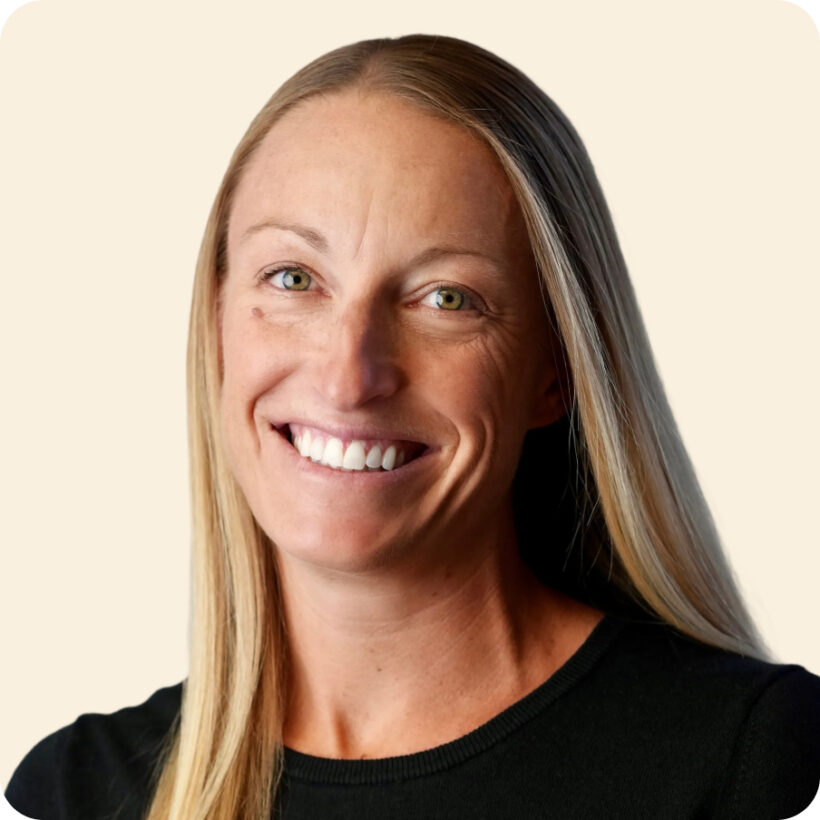
Orthopedic Surgeon, Sports Medicine
Book nowWe offer knee evaluations at Lakewood, Long Beach – Bixby Knolls, Long Beach – Douglas Park and Torrance. Marina Orthopedic & Spine Institute separately lists knee cartilage restoration under its surgical services. If surgery is recommended, we’ll confirm the site and care team for your specific procedure.
Prem N. Ramkumar, MD, MBA
Orthopedic Surgeon, Joints & Sports Medicine
Call us at (310) 437-7921.
Allyson Estess, MD
Orthopedic Surgeon, Sports Medicine
Call us at (310) 437-7921.
Prem N. Ramkumar, MD, MBA
Orthopedic Surgeon, Joints & Sports Medicine
Call us at (310) 437-7921.
Allyson Estess, MD
Orthopedic Surgeon, Sports Medicine
Call us at (310) 437-7921.
Surgical facility. Confirm your procedure location with your care team.
Call us at (310) 437-7921.






 (310) 423-9834