

David Lee, MD
Orthopedic Surgeon, Foot and Ankle
Book nowIf the inside of your ankle aches as your arch changes, the outside of your ankle snaps after a sprain, or you suddenly lose the ability to push off, we can help you identify the tendon involved. We’ll explain whether the foot needs protection now, how to rebuild strength when it is safe, and when it makes sense to discuss repair. [1, 2, 3]
Book now(310) 437-7921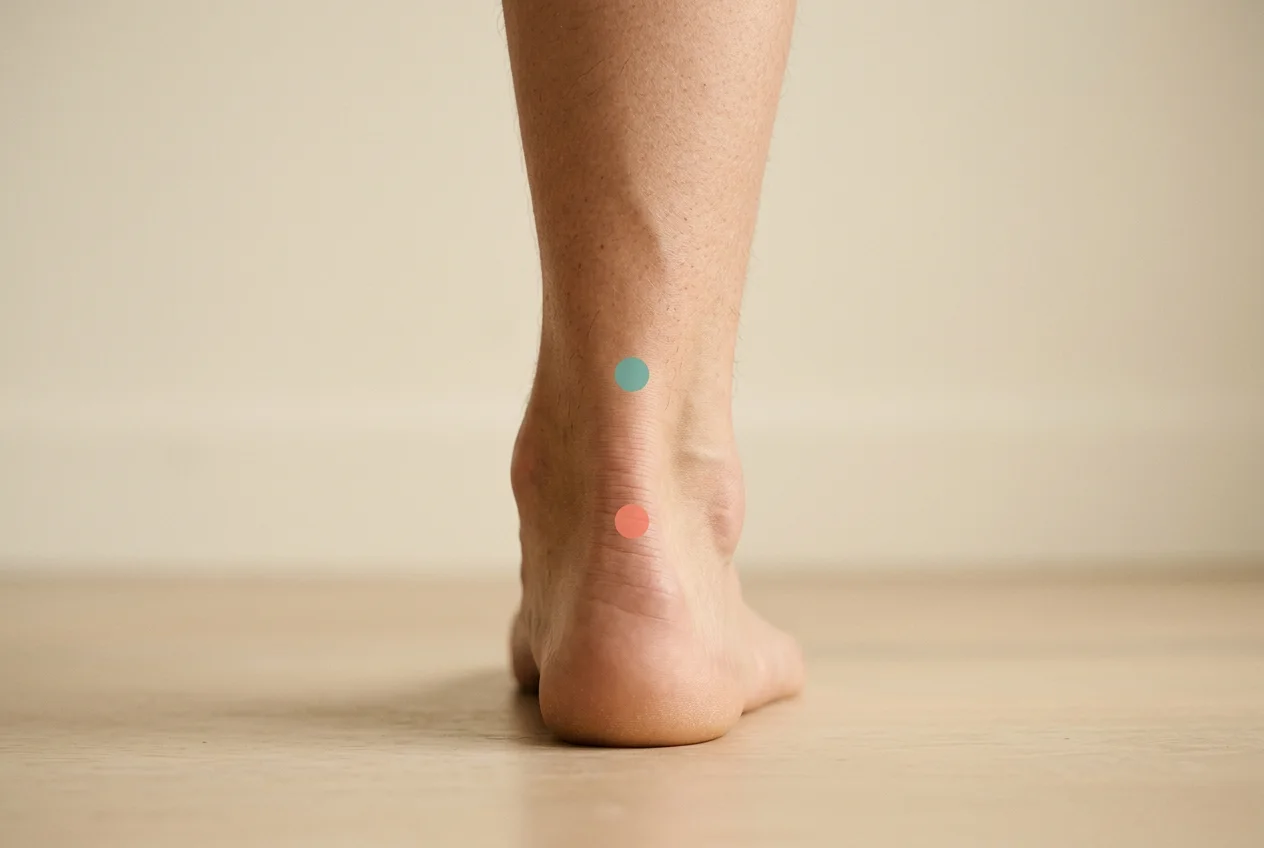
Tendons connect muscle to bone and help you move and control the foot. Some tendon problems develop with repeated loading. Others begin when a tendon tears during a sudden movement. A prior sprain or a change in foot alignment can affect which tissues take the most load. [1, 2, 3]
Tell us if you notice swelling behind or below the ankle bones, weakness during push-off, a changing arch, or a feeling of snapping or giving way. The exact place and movement help us tell a tendon problem from an injured ligament, bone or joint. [1, 2, 3]
Arrange prompt evaluation if you feel a sudden pop behind the ankle followed by new weakness or difficulty pushing off. A possible acute Achilles tear needs timely assessment and protection. Seek urgent assessment after a new injury if you cannot bear weight. [1, 4]
We’ll ask whether the symptoms began suddenly or built up with time on your feet. We’ll check where it hurts, how strongly you can move the foot, whether the arch or heel has changed and how stable the ankle feels. We may use X-rays to assess bone and alignment. Depending on the tendon and the question, an ultrasound or MRI may help evaluate a tear or other damage. [1, 2, 3]
Care may include adjusting activity, supporting the foot with a brace or boot, or working with a physical therapist at the right time. A complete rupture can require a different plan from gradual tendon pain. When surgery is an option, the decision depends on the tendon, the damage, how well it still works and the activities you want to resume. [1, 2, 3]
Write down where the pain starts and what brings it on. Tell us if you heard a pop, noticed weakness or altered your walk. Bring previous images and the shoes, brace or inserts you use most often. Mention any changes in work, training or medication that coincided with the symptoms.
If a sudden injury changes how you can push off, avoid testing it with repeated heel raises or another run while you arrange care. Ask how to protect the foot on your way to an appointment. [1]
A gradual tendon problem may improve as we adjust load and build capacity through rehabilitation. After a rupture or surgery, the first goal may be protecting the tendon. Follow your care team's instructions on weight-bearing, ankle positions and when it is safe to start exercises. A tendon repair and foot realignment can have different recovery needs. [1, 2, 3]
We’ll agree on milestones that fit your life. Before resuming longer walks, a standing shift or sport, we can check how the foot responds to shorter periods of loading, how well you can control the ankle and whether strength is returning. [1, 2, 3]
You can see David Lee, MD, our board-certified orthopedic foot and ankle surgeon, for tendon evaluation. He can explain whether protection and rehabilitation may help and when a tendon repair or reconstruction deserves consideration.
Orthopedic Surgeon, Foot and Ankle
Book nowLearn how we evaluate painful movement, injuries and changes in foot alignment in our foot and ankle program.
Meet Dr. Lee at Long Beach – Bixby Knolls or Long Beach – Douglas Park for evaluation. Book a visit or call (310) 437-7921.
David Lee, MD
Orthopedic Surgeon, Foot and Ankle
Call us at (310) 437-7921.
David Lee, MD
Orthopedic Surgeon, Foot and Ankle
Call us at (310) 437-7921.






 (310) 423-9834