

David Lee, MD
Orthopedic Surgeon, Foot and Ankle
Book nowIf you rolled an ankle on the court, felt a pop while pushing off or developed foot pain as your training increased, we can help you make sense of what happened. Our goal is to identify what needs protection now and give you a way to build back to the movements you need for your sport. [1, 2, 3, 4]
Book now(310) 437-7921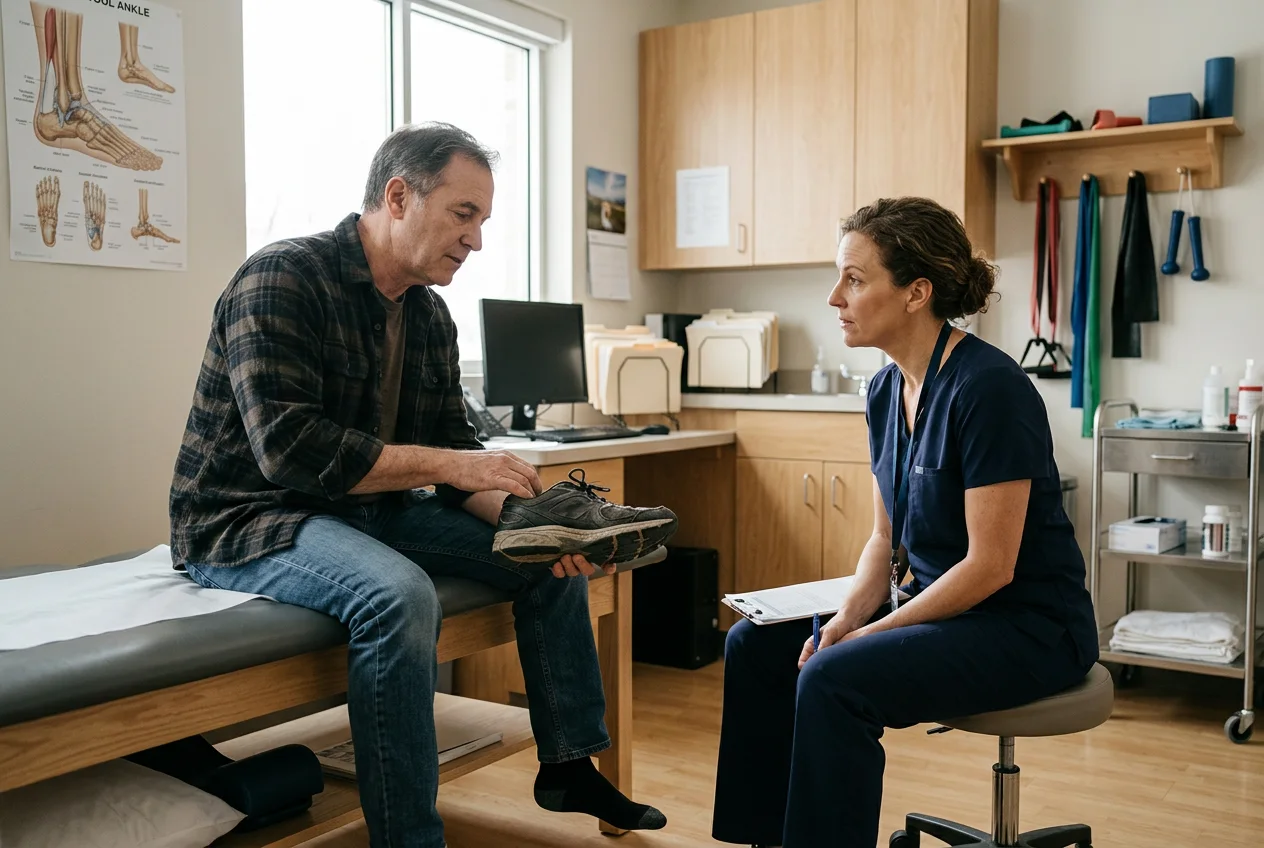
Some injuries start with one movement. Landing on another player’s foot can stretch the outside ankle ligaments. A planted foot that twists can injure the middle of the foot. A forceful push-off or sudden change in speed can tear the Achilles tendon. The way an injury happened gives us clues about what to examine. [1, 2, 3]
Other injuries build over time. A new training surface, more jumping or an abrupt increase in running or walking may outpace the body’s ability to recover. A small area of bone pain that gets worse with loading can signal a stress injury. [4]
Seek urgent medical assessment if you cannot bear weight after injury or suspect an Achilles tear. Seek emergency evaluation if the foot looks deformed, becomes blue or numb, or there is a deep open wound. [3, 5]
We ask how you landed, whether you felt a pop, when swelling began and what you can do now. We check where it hurts, which movements are limited and whether the foot or ankle feels stable. X-rays can help identify a fracture or a change in alignment. If a higher-risk injury is still suspected, we’ll discuss whether different views or other imaging could change the plan. [1, 2, 3, 4]
A sprain may need short-term support and work on motion, strength and balance. A tendon tear, unstable midfoot injury or fracture may need a different period of protection or a surgical discussion. We’ll explain how the finding changes your next steps, including what weight you can put on your foot and when you should follow up. [1, 2, 3, 4]
Tell us whether you play on a court, turf, trail or track, and which movements bring on symptoms. Bring your usual shoes or brace if you can. If pain began gradually, note changes in distance, practice days, surfaces or equipment.
While you wait for an assessment, avoid repeatedly testing sharp pain or giving way with jumps or quick turns. If the same ankle keeps rolling, tell us what you’ve already tried. We can talk through whether changes in training, footwear, bracing or rehabilitation could help. [1, 4]
We’ll plan recovery around your injury and sport. Early goals may include comfortable walking and better motion. Later, you may work toward single-leg balance, running, landing or changing direction. Whether and when to add these tasks depends on the injury and what we find at follow-up. [1, 2, 3, 4]
Ask which milestones we’ll use to clear the next stage. If you want to run a race, return to league play or be on your feet at work, tell us so we can plan for that specific goal.
You can see David Lee, MD, our board-certified orthopedic foot and ankle surgeon. He can help identify what’s injured, explain how much protection you need and guide a return to activity.
Orthopedic Surgeon, Foot and Ankle
Book nowFind options for injury, joint pain and movement concerns through our foot and ankle program.
Meet Dr. Lee at Long Beach – Bixby Knolls or Long Beach – Douglas Park. Book a visit or call (310) 437-7921.
David Lee, MD
Orthopedic Surgeon, Foot and Ankle
Call us at (310) 437-7921.
David Lee, MD
Orthopedic Surgeon, Foot and Ankle
Call us at (310) 437-7921.






 (310) 423-9834