Physical therapy is a proven treatment that helps patients recover from injuries, reduce pain, and improve movement. At Commons Clinic, our physical therapy services are designed to restore strength, flexibility, and function so patients can return to the activities they enjoy.
Whether you are recovering from surgery, managing chronic pain, or healing from a sports injury, physical therapy provides a structured and personalized approach to recovery. Our specialists work closely with each patient to develop a treatment plan that supports long term health and mobility.
Physical therapy is a medical treatment focused on improving movement, strength, and physical function. Licensed physical therapists use targeted exercises, manual therapy techniques, and rehabilitation strategies to address musculoskeletal conditions.
This approach focuses on treating the root cause of pain rather than simply masking symptoms. By strengthening muscles, improving joint mobility, and correcting movement patterns, physical therapy helps patients regain independence and prevent future injuries.
At Commons Clinic, physical therapy programs are developed after a detailed evaluation of each patient’s condition, lifestyle, and recovery goals.
Your physical therapy journey begins with a comprehensive evaluation. A specialist reviews your medical history, examines your movement patterns, and identifies areas of weakness or limitation.
Based on this evaluation, a customized treatment plan is created. Therapy sessions may include strengthening exercises, stretching routines, manual therapy, posture correction, and movement training.
Patients are also given home exercises to continue progress outside of the clinic. Consistency with therapy helps maximize recovery and improve long term results.
Physical therapy offers numerous benefits for patients seeking non surgical treatment options. By addressing the underlying cause of pain, therapy can improve strength, flexibility, and joint stability.
Many patients experience reduced pain, better balance, and increased mobility. Physical therapy can also help prevent future injuries by teaching proper movement techniques and strengthening supportive muscles.
For patients recovering from injury or surgery, therapy plays a key role in restoring independence and daily function.
Patients choose Commons Clinic because of our patient centered approach, streamlined care experience, and commitment to high quality outcomes. Our goal is to help every patient regain mobility, reduce pain, and return to an active lifestyle.
If pain or limited movement is affecting your quality of life, physical therapy may be an effective solution for long term recovery.
Physical Therapy: Expert Orthopedic and Spine Rehabilitation
Physical therapy at Commons Clinic delivers personalized, evidence based orthopedic and spine rehabilitation that restores movement and confidence. Work one on one with a licensed physical therapist for manual therapy, strengthening, gait training, and home exercises that manage pain, improve function, and help you avoid surgery.
What Is Physical Therapy and How Does It Help Joint and Spine Pain?
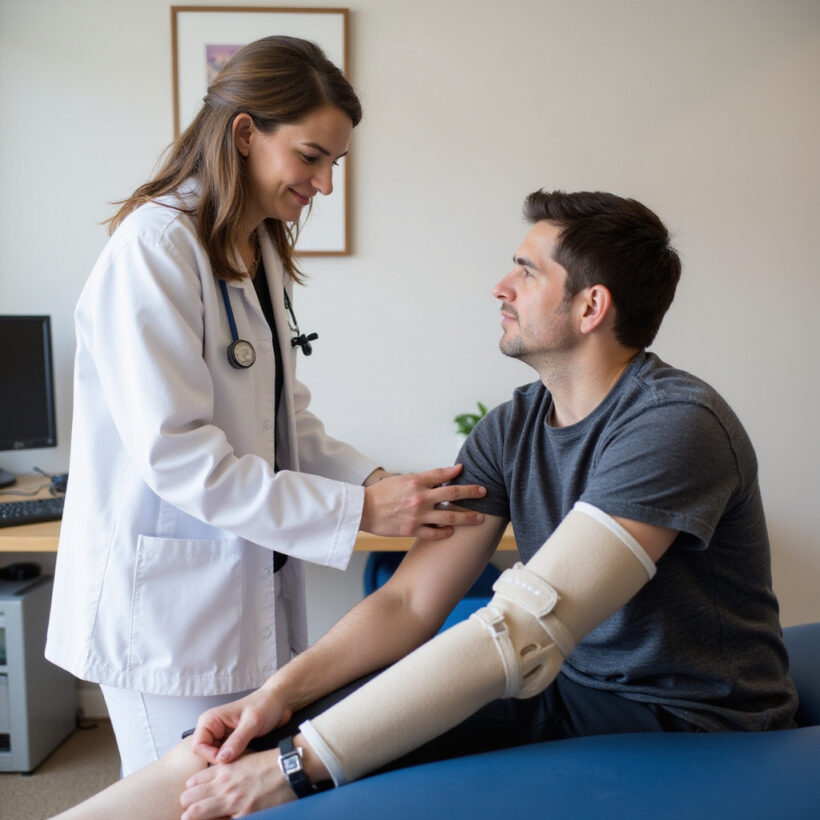
Physical therapy is a hands on, movement based medical treatment that helps your joints, spine, and muscles work the way they were meant to. A licensed physical therapist evaluates how you move, where you hurt, and which activities you want to get back to, then builds a personalized physical rehabilitation program around your goals.
For joint and spine pain, physical therapy targets the root cause instead of just masking symptoms. Through specific exercises, manual therapy, and modalities such as heat, cold therapy, or ultrasound, your physiotherapist helps reduce inflammation, improve circulation, and calm irritated nerves. This approach supports pain management while protecting your joints, discs, and soft tissue from further damage.
You might work on core strength for lower back pain, hip and knee alignment for arthritis, or posture and neck mobility if you sit at a desk all day. Over time, these physical treatments retrain your body’s biomechanics so you can move with less stiffness and more confidence. Many patients avoid surgery or reduce their need for pain medication by committing to regular therapy sessions and at home exercises.
If joint or back pain is limiting your work, sleep, or favorite activities, you do not have to wait for it to get bad enough for surgery. Schedule an evaluation with a physical therapist today to discover how a targeted physical therapy program can improve your pain, function, and long term spine and joint health.
How Physical Therapy Supports Healing After Injuries and Surgery
Physical therapy plays a key role after injury and surgery because healing tissue needs the right kind of movement, not just rest. A structured rehabilitation plan helps reduce stiffness, rebuild strength, and restore safe movement patterns before bad habits set in.
After an orthopedic injury, your physical therapist helps protect the injured area while guiding gradual recovery. After surgery, therapy often begins with pain control, swelling reduction, gentle motion, and safe functional tasks such as walking, standing, reaching, or climbing stairs. As your body heals, treatment shifts toward strengthening, balance, endurance, and return to daily activities.
This progression matters. Too little movement can slow recovery, while too much too soon can set you back. Physical therapy helps you move forward safely, with a plan built around your procedure, diagnosis, and goals.
Conditions Physical Therapy Treats for Orthopedic, Sports, and Spine Issues
Physical therapy is a proven, evidence based way to reduce pain, restore movement, and avoid surgery for many orthopedic and sports injuries. In our clinic, physical therapists treat back pain, neck pain, hip pain, knee pain, shoulder impingement, rotator cuff injuries, ankle sprains, muscle strains, arthritis, osteoarthritis, tendinitis, tendinopathy, bursitis, and weakness after a fracture.
Your physiotherapist looks at how joints, muscles, nerves, and biomechanics work together during movement. If you notice sharp pain with certain motions, grinding or catching in a joint, stiffness in the morning, weakness on stairs, or poor balance, a focused physical rehabilitation program can improve function and manage pain. Your personalized treatment plan may include manual therapy, joint mobilization, strengthening exercises, stretching, gait training, and modalities such as heat, cold therapy, ultrasound, or electrical stimulation.
Nerve related symptoms are just as important. Physical therapy and physio therapy can help with pinched nerve pain, sciatica, carpal tunnel syndrome, numbness or tingling in the hands or feet, and weakness after a spinal cord injury. After a thorough evaluation, your physical therapist will explain your diagnosis clearly and guide a program you can follow in the clinic and at home.
Common Joint, Muscle, and Nerve Symptoms Physical Therapy Can Improve
Physical therapy can help improve a wide range of symptoms that affect daily life, work, and sports. Common issues include joint stiffness, muscle weakness, swelling, poor balance, nerve irritation, reduced flexibility, and pain during walking, lifting, reaching, bending, or climbing stairs.
Many patients start therapy because movement no longer feels normal. Some feel unstable. Others feel tight, guarded, or weak. Some notice symptoms that come and go, while others deal with constant pain. Physical therapy helps identify which structures are involved and what kind of movement retraining or strengthening will improve the problem.
When symptoms are treated early, recovery is often faster and more complete. A targeted therapy program can also prevent small movement problems from turning into bigger ones.
Our Physical Therapy Approach: Evidence Based, Personalized Care
You are not a diagnosis. You are a person who wants to move without pain and get back to your life. Our physical therapy approach blends clinical practice guidelines, current research, and extensive hands on experience to create a treatment plan that fits you.
Every therapy session is grounded in evidence based physical therapy and physiotherapy. Your licensed physical therapist looks at how your joints, muscles, and nervous system work together, then selects physical treatment and exercises proven to improve function, manage pain, and prevent injuries. This may include manual therapy, strengthening, mobility work, balance training, and education on how to move at home and at work.
Care is always personalized. Whether you are an athlete with a sports injury, an adult with arthritis or back pain, or recovering from surgery, your program is tailored to your goals, schedule, and insurance coverage. We adjust your physical rehabilitation plan in real time based on your progress, feedback, and any new symptoms.
Many patients tell us they feel heard for the first time and finally understand what is happening in their body. If you are ready for physical therapy that is grounded in evidence and built around you, schedule your evaluation today and see how a personalized treatment plan can transform your movement and long term health.
How We Design Your Personalized Physical Therapy Treatment Plan
Your treatment plan starts with a conversation. Your physical therapist asks about your pain, daily movement, job demands, sports, past injury, and what you want to do again. Next, we perform a detailed physical therapy evaluation to pinpoint the true source of your problem.
From there, your physiotherapist builds a clear plan so you know which physical therapies and exercises we will use, how many sessions to expect, what to do at home, and how we will measure progress.
Assessment, Goal Setting, and Progress Tracking in Physical Therapy
A strong therapy plan begins with accurate assessment. We look at strength, flexibility, joint mobility, posture, balance, walking pattern, pain triggers, and movement quality. This helps us see not only where you hurt, but why.
Goal setting matters just as much. Some patients want to return to running. Others want to lift a child, sit through work, recover from surgery, or walk without limping. We build your program around those real life outcomes.
Progress tracking keeps treatment focused. As you improve, your therapist updates your exercises, adjusts intensity, and measures changes in pain, strength, range of motion, and function so you can see what is working.
Types of Physical Therapy Treatments We Use in Orthopedic Care
Manual Therapy, Therapeutic Exercise, and Movement Retraining
When you are dealing with joint, back, neck, or sports injuries, the right physical therapy treatment can be the difference between getting by and getting your life back. In orthopedic physical therapy, we combine three powerful physical therapies: manual therapy, therapeutic exercise, and movement retraining. Your physical therapist selects the mix based on your diagnosis, pain, and goals so every therapy session feels purposeful.
Manual therapy uses hands on techniques such as soft tissue mobilization, joint mobilization, and gentle manipulation to reduce stiffness, improve range of motion, and calm irritated joints and muscles. Many patients with arthritis, rotator cuff injuries, hip pain, or lumbar and neck pain feel relief within the first sessions.
Therapeutic exercise is where strength and resilience are rebuilt. Your physiotherapist designs a personalized program of stretches, strengthening, and balance exercises to restore function after injury, surgery, fractures, or chronic musculoskeletal pain. These exercises are tailored so you can continue them at home to manage pain and often avoid surgery.
Movement retraining focuses on how you move in real life. Using biomechanics, gait training, and functional drills, your clinician corrects faulty patterns that overload joints and soft tissue.
Schedule an evaluation today for targeted, evidence based physical rehabilitation.
Physical Therapy for Sports Injuries and Athletic Performance
Rehabilitation for ACL, Meniscus, and Rotator Cuff Injuries
If you are dealing with an ACL tear, meniscus injury, or rotator cuff pain, you want fast pain relief and a safe return to sport. Our physical therapy programs deliver both. Your licensed physical therapist begins with a detailed clinical evaluation of joint function, strength, movement, and sport demands, then designs a personalized treatment plan around your goals.
For ACL and meniscus injuries, physio therapy focuses first on swelling control, knee range of motion, and quadriceps and hip strengthening, then progresses to balance, agility, and sport specific drills. We follow evidence based clinical practice guidelines, combining manual therapy, targeted exercises, and progressive loading to restore stability so you can cut, pivot, and land with confidence and reduced risk of reinjury.
For rotator cuff injuries, physical rehabilitation centers on shoulder mobility, scapular control, and progressive strengthening. Your physiotherapist guides you through specific exercises, joint mobilization, and pain management strategies to improve function overhead, whether you are serving, throwing, or lifting. Many patients avoid surgery or recover better after surgery with the right physical treatment and consistent sessions.
Do not wait for your knee or shoulder injury to heal on its own. Schedule an evaluation today and work with our sports physical therapy specialists to return faster, safer, and stronger.
Physical Therapy After Joint Replacement and Spine Surgery
What to Expect From Physical Therapy After Hip, Knee, or Shoulder Replacement
You may be wondering how much this will hurt and how long until you walk, climb stairs, or reach overhead again. Physical therapy after hip, knee, or shoulder replacement gives you a clear, evidence based treatment plan instead of guesswork. Your licensed physical therapist begins with a detailed clinical evaluation of pain, movement, strength, and function, then designs a personalized physical rehabilitation program around your goals, from work to sports.
Early physical therapy sessions focus on safe movement and pain management. After hip or knee replacement, you practice getting in and out of bed, walking with a walker or cane, and gentle range of motion exercises to reduce stiffness and protect the new joint. After shoulder surgery, your physiotherapist guides supported arm movements to protect the rotator cuff and surrounding soft tissue while preventing frozen shoulder.
As you progress, physio therapy shifts toward strengthening, balance, and functional exercises such as climbing stairs, getting off a low chair, reaching into cabinets, or lifting light objects. You also receive a simple at home exercise program so you keep improving between visits and lower the risk of future injury.
How Physical Therapy Supports Recovery After Spine Surgery
After spine surgery, physical therapy helps you rebuild confidence in movement while protecting the healing area. Early sessions often focus on posture, safe transfers, walking, gentle activation, and reducing guarding around the surgical site.
As recovery progresses, therapy expands into core control, flexibility, endurance, and gradual return to work or exercise. This process helps reduce fear of movement and supports better long term outcomes after surgery.
How Physical Therapy Integrates With Imaging, Pain Management, and Rehabilitation
At our clinic, physical therapy connects imaging, pain management, and rehabilitation so your care feels coordinated, not fragmented. Your physical therapist reviews X rays, MRI, ultrasound, and diagnosis before your evaluation. That clinical information pinpoints which joints, tendons, nerves, or soft tissue are involved, so your physical treatment targets the true source of pain instead of chasing symptoms.
For patients with back pain, hip pain, knee osteoarthritis, rotator cuff injuries, carpal tunnel syndrome, or arthritis, this tight link between diagnostics and physio shortens recovery time, improves movement, and reduces unnecessary visits. Physical therapists work closely with pain management specialists, orthopedic surgeons, and rehabilitation centers to align injections, medications, and other treatments with your therapy session schedule.
Sessions are timed to match periods of best pain relief so you can move better, build strength, and protect joints after surgery, joint replacement, spine surgery, or sports injuries. Your personalized program may blend manual therapy, targeted exercises, gait and balance training, and home exercises that fit your day, including virtual and at home options.
Every program is evidence based and delivered by licensed physical therapists who follow current clinical practice guidelines in physiotherapy and physical rehabilitation.
Schedule a coordinated physical therapy evaluation today and get a clear roadmap from pain to full function.
Coordinating Physical Therapy With Injections, Diagnostics, and Rehab Programs
Physical therapy often works better when it is coordinated with the rest of your care. If you recently had an injection, imaging study, or procedure, your therapist can use that information to time treatment more effectively and avoid unnecessary flare ups.
This coordination matters because it turns separate treatments into one connected plan. Instead of guessing what to do next, you get a strategy that matches your diagnosis, pain levels, and stage of recovery.
What to Expect at Your First Physical Therapy Visit
How to Prepare, What to Wear, and Questions to Ask Your Physical Therapist
Your first physical therapy visit starts with a clinical evaluation of your injury, pain, surgery history, movement, and joint function so treatment is tailored to you. Bring photo ID, your insurance card, referral information, imaging, and a list of medications. Wear stretchy clothes and supportive sneakers.
Ask about your diagnosis, the number of sessions you may need, at home exercises, and insurance coverage. Expect education on the benefits of manual therapy, strengthening, stretching, heat, cold therapy, and ultrasound. You should leave with a written treatment plan and a personalized physical rehabilitation program.
Call or schedule online today.
How to Schedule a Physical Therapy Appointment at Commons Clinic
Scheduling a physical therapy appointment at Commons Clinic is fast and simple. Book in person or through telehealth, choose your clinic and time, and describe your injury or surgery so we match you with the right physical therapist. We verify insurance coverage, clarify costs, and prepare personalized treatment for your first session.









 (562) 348-4588