Hip Arthroscopy: Minimally Invasive Hip Arthroscopy Surgery at Commons Clinic
Hip arthroscopy at Commons Clinic is a minimally invasive procedure that diagnoses and treats painful hip conditions while often delaying hip replacement. Our hip arthroscopy specialists use advanced arthroscopic hip surgery techniques for femoroacetabular impingement and labral tears, providing less pain, shorter recovery time, and personalized hip arthroscopy recovery and rehabilitation plans.
What Is Hip Arthroscopy and When Do Patients Need Arthroscopic Hip Surgery?
Hip arthroscopy is a minimally invasive procedure that lets an orthopaedic surgeon evaluate the joint without making a large incision. Through a few small incisions around the hip joint, the surgeon uses a light and camera, plus specialized instruments, to diagnose and treat painful hip conditions. For many patients, a hip arthroscopic procedure can delay or prevent hip replacement by treating problems early.
You may need arthroscopy for hip pain that persists for months, groin pain with twisting or flexion, catching or locking, or pain that has not improved with rest, nsaids, and physical therapy. Many hip arthroscopy patients are told their mri is mostly normal or they are too young for hip replacement, yet they still cannot train, work, or sleep without pain.
An experienced hip arthroscopy specialist will weigh hip arthroscopy risks and hip arthroscopy benefits, and outline clear treatment options.
How hip arthroscopy works as a minimally invasive procedure on the hip joint
Hip arthroscopy allows the surgeon to view the inside of the hip joint using a small camera called an arthroscope. The arthroscope sends images to a monitor so the surgeon can examine cartilage, the labrum, and surrounding structures without opening the entire joint.
Because the procedure uses only a few small incisions, soft tissues around the hip joint experience less disruption compared with traditional open surgery. This minimally invasive approach often results in less postoperative pain, reduced inflammation, and a faster recovery timeline for many patients.
Common hip conditions treated with hip arthroscopy, labral tears, femoroacetabular impingement, and more
Arthroscopic hip surgery is commonly used to diagnose and treat several hip joint conditions that cause persistent pain or mechanical symptoms. These conditions may include labral tears, femoroacetabular impingement, loose cartilage fragments, hip dysplasia, and early osteoarthritis.
Treating these problems early can help protect the hip joint from further damage and improve function during daily activity or athletic performance.
Labral tear and hip labral tear: why damaged cartilage around the hip socket causes pain
The labrum is a ring of cartilage that surrounds the hip socket and helps stabilize the joint. When this cartilage becomes torn or frayed, patients may experience deep groin pain, clicking sensations, or a catching feeling during hip movement.
Labral tears can develop from trauma, repetitive motion, or abnormal hip mechanics such as impingement. Arthroscopic hip surgery allows the surgeon to repair or smooth damaged tissue while preserving healthy cartilage whenever possible.
Femoroacetabular impingement, cam and pincer impingement, and hip preservation
Femoroacetabular impingement occurs when abnormal bone shapes in the femoral head or acetabulum cause friction inside the hip joint. Cam impingement involves extra bone along the femoral head, while pincer impingement involves excessive bone along the acetabulum.
Over time, this abnormal contact can damage cartilage and lead to labral tears. Hip arthroscopy can reshape these areas and restore smoother joint motion, helping preserve the hip joint and reduce the risk of early arthritis.
Who Is a Candidate for Hip Arthroscopy and When Is Surgery Recommended?
You may be a candidate for hip arthroscopy if hip pain, deep groin discomfort, snapping hip, or instability limits your activities or sport. Arthroscopic hip surgery helps diagnose and treat femoroacetabular impingement, cam or pincer deformity, labral tears, hip dysplasia, and loose cartilage when nonsurgical treatments fail. Imaging that confirms damage suitable for a hip arthroscopic procedure supports surgery.
Our hip arthroscopy specialists tailor minimally invasive hip preservation plans for lasting pain relief and faster recovery.
Symptoms and hip pain that may point to arthroscopy for hip conditions
Common symptoms that may suggest a hip condition suitable for arthroscopy include persistent hip pain, groin discomfort during movement, stiffness, limited range of motion, or mechanical symptoms such as catching or locking. Pain may worsen with sports, prolonged sitting, or twisting motions.
Patients often try rest, anti inflammatory medications, and physical therapy before surgery is considered.
From nonsurgical treatments to hip arthroscopy: when it is time to consider surgery
When nonsurgical treatments fail to relieve symptoms, arthroscopic hip surgery may be recommended. Imaging studies such as X rays and mri can identify structural problems like labral tears or femoroacetabular impingement that require surgical treatment.
For the right patient, hip arthroscopy can relieve pain, improve hip function, and help patients return to work or sports.
How Hip Arthroscopy Is Performed: Step by Step Arthroscopic Hip Surgery at Commons Clinic
Hip arthroscopy at Commons Clinic is a minimally invasive procedure that uses a light and camera, plus specialized instruments, to treat painful hip conditions without opening the entire joint. Most patients arrive with hip pain, groin discomfort, or stiffness that has not improved with nonsurgical treatments or physical therapy.
On the day of arthroscopic hip surgery, your hip arthroscopy specialist reviews imaging, confirms the hip arthroscopy procedure, and explains what happens during arthroscopy and immediately after. The goal is clear, relieve pain, protect the hip joint, and support faster recovery.
What happens during hip arthroscopy: anesthesia, traction, and portals
During surgery, the patient receives anesthesia so the procedure can be performed comfortably. The surgeon then gently places the hip joint under traction to create space within the joint.
Small surgical portals are created around the hip. Through these portals the arthroscope and surgical instruments are inserted, allowing the surgeon to visualize and treat the joint.
Key hip arthroscopy techniques: labral repair, debridement, acetabuloplasty, and osteochondroplasty
Several procedures may be performed during hip arthroscopy depending on the condition identified. Labral repair restores the cartilage ring around the hip socket. Debridement removes damaged tissue that may cause pain.
Acetabuloplasty reshapes the hip socket, while osteochondroplasty reshapes the femoral head to treat impingement and improve joint movement.
Capsulotomy, capsular closure, and why hip stability matters after arthroscopy
During the procedure, a capsulotomy may be performed to allow access to the joint. At the end of surgery the capsule may be repaired to restore hip stability and protect joint function.
Hip arthroscopy vs traditional open surgery and hip replacement
Compared with open hip surgery, arthroscopy requires smaller incisions and typically results in less tissue disruption. Many patients experience less postoperative pain and shorter recovery times.
For younger patients or those with early joint damage, hip arthroscopy may delay or prevent the need for hip replacement.
Hip Arthroscopy Recovery, Rehabilitation, and Expected Results
What to expect immediately after hip arthroscopy in the recovery room
Immediately after hip arthroscopy, you wake in the recovery room with pain controlled, your hip protected, and a nurse beside you. Most patients feel pressure and soreness around the hip joint, not sharp pain, helped by regional anesthesia and modern pain management.
You will see a bulky dressing over a few small incisions and your leg supported to protect the hip joint arthroscopy work. Your team closely monitors your vital signs, using ice to limit inflammation and postoperative pain. Before discharge, you receive clear guidelines and a tailored hip arthroscopy recovery plan.
Hip arthroscopy recovery timeline: weightbearing, physical therapy, and return to sports
Recovery varies depending on the procedures performed. Patients may use crutches temporarily while the hip heals. Physical therapy begins early and focuses on restoring mobility, strength, and stability.
Gradually, activity increases as healing progresses. Many patients return to sports and demanding activities once strength and range of motion are restored.
Long term outcomes, hip score improvements, and what successful hip arthroscopy feels like
Successful hip arthroscopy often results in reduced pain, improved mobility, and better hip function during daily activities. Many patients report improved hip scores and greater comfort during movement and exercise.
Hip Arthroscopy Risks, Complications, and Patient Safety
Hip arthroscopy is a minimally invasive procedure, but every hip arthroscopic procedure has risks. Potential hip arthroscopy complications include blood clots, infection, nerve irritation from traction, hip stiffness, and ongoing pain that does not improve.
Minor issues such as temporary numbness or swelling are more common and usually short lived.
Common hip arthroscopy risks and how often complications occur
Although complications are uncommon, patients should understand the possible risks associated with arthroscopic hip surgery.
How Commons Clinic reduces hip arthroscopy complications and protects patient rights
Careful imaging, screening, and a personalized hip arthroscopy rehabilitation and recovery plan improve safety and maximize the benefits of surgery.
Why Choose Commons Clinic for Hip Arthroscopy and Hip Preservation Care
Commons Clinic is built for active patients who need hip arthroscopy to stay moving and delay hip replacement. Our hip arthroscopy specialists diagnose and treat the entire hip joint using advanced hip arthroscopy techniques and minimally invasive surgery.
Conditions treated include femoroacetabular impingement, labral tears, hip dysplasia, and early osteoarthritis. Your surgeon’s primary goal is simple, relieve pain, protect the joint, and restore performance. You receive a clear recovery plan, transparent guidance on hip arthroscopy benefits and hip arthroscopy risks, and a recovery timeline aligned with your goals.
Experienced orthopedic surgeons and hip arthroscopy specialists focused on active adults and athletes
Our surgeons specialize in hip arthroscopy and hip preservation procedures designed for active individuals who want to maintain mobility and avoid joint replacement whenever possible.
Integrated imaging, diagnosis, and rehabilitation in one coordinated care system
At Commons Clinic, imaging, diagnosis, surgical treatment, and rehabilitation are coordinated within one system to streamline care and improve outcomes.
Patient centered experience, insurance information, and flexible scheduling across locations
Patients receive clear communication about treatment options, insurance information, and scheduling flexibility to make the surgical process easier to navigate.
What to Expect When You Schedule Hip Arthroscopy at Commons Clinic
Your first visit: evaluation, imaging, and reviewing hip arthroscopy treatment options
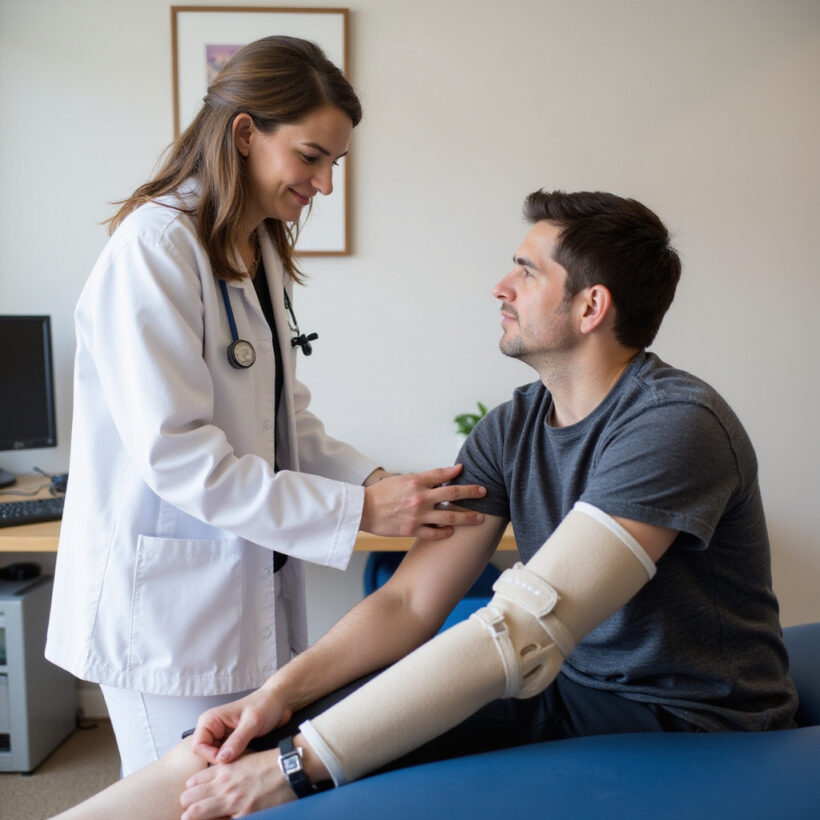
At your first visit, you meet directly with a Commons Clinic hip arthroscopy specialist. Together you review symptoms, hip pain patterns, and how they limit daily activities and sports.
Your surgeon examines the hip joint, checks motion and strength, and looks for hip impingement, labral tears, hip dysplasia, or early osteoarthritis. Existing X rays or mri are reviewed or new imaging may be ordered to evaluate the acetabulum, femoral head, and labral cartilage.
Preoperative planning, surgery day logistics, and postoperative follow up visits
Once surgery is scheduled, the team reviews preoperative preparation, anesthesia planning, and postoperative rehabilitation expectations.
Get started: schedule a hip arthroscopy consultation at Commons Clinic
Scheduling a consultation allows you to discuss your hip pain, review imaging, and explore treatment options with a specialist who understands hip preservation and minimally invasive surgery.









 (310) 595-1030