
Write what you used to do, what is harder now, and the main answer you want from the visit.
Orthopedic appointment preparation checklists
Choose a sheet for your first visit, a follow-up, or a second opinion. Bring what you have and write down the decision you most want help making.
Find a checklist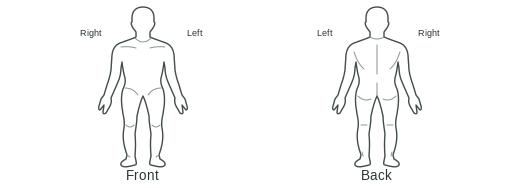
Choose your worksheet
Write your symptom timeline and focus on the task that matters most to you.
Write the symptom or activity you want to discuss for each area that was imaged.
Write your biggest question about how the findings relate to what you can do.
Name a meaningful activity you want back and what a better day looks like.
Compare your usual day with a flare, including what activities become harder and for how long.
Map each joint, note when its symptoms started, and rank two activities you want back.
Write a goal for home, work, or sport and one thing that might make the plan hard to follow.
Name a task you want to do more easily and which part of the task is hardest now.
Compare a task that improved with one that still feels limited.
Name one activity you would use to judge whether an injection helped if you chose one.
Note changes the same day and later, with dates and examples such as sleep or stairs.
List tasks your job requires, including weights, time on your feet, and breaks.
Name the activity you miss and describe what you are currently able to do.
Decide what you want to explain yourself and where your support person can help.
Write what you want to show or explain and plan a space where you can speak privately.
Compare the activity you picked at the last visit with what you can do now.
Record your approximate distance, pace, use of support, and what makes you stop.
Write when you wake, which position you are in, and what you can do the next day.
Describe what has changed since the first visit and what daily task is still hard.
Write your main goal and the questions you want interpreted in the language you prefer.
Write what remains unclear and the activity or decision you most want help with.
Mark where burning, tingling, or changes in feeling start and where they spread.
Note where you notice numbness or weakness and which tasks have become harder.
Describe the work task involved and one duty you want help doing again.
Use your worksheet at the visit
Print a copy on US Letter paper. Mark the body map or write the locations in your notes. Write a letter where you feel each symptom. Use more than one letter if needed. N Numbness · P Pins & Needles · B Burning / Aching · S Stabbing.
Bring prior images and the written reports, if you have them. Check the date, body area, and side. Ask the office which existing records it needs and how to share them. Ask your physician whether any additional test would change the plan.
Start with one activity you want to get back to. Before you leave, agree on the next step and how you’ll know if it’s helping. For related reading, see Choosing your care.
What to write down
- Your name and visit date. Describe what you used to do, what is harder now, when it started, and what makes it better or worse.
- What you’ve tried, how long it helped, and the main thing you want to understand or decide at the visit.
- The type, date, and location of any prior imaging, and which images or reports you still need to request. Keep any visit notes, therapy notes, medication and allergy lists with your records.
- Your next step, when you’ll check in with your physician, and one small improvement you want to notice.
For more help getting ready, read what to bring to your first orthopedic visit and how to gather records for a second opinion. The AAOS guide to an orthopedic visit also covers what to bring and what to ask.






 (310) 574-0406