
Describe the drill or play when it happened and what you could do right afterward.
Sports and muscle injuries consult checklists
Note what you were doing when symptoms began, what you’ve already tried, and what a meaningful return to activity looks like.
Find a checklist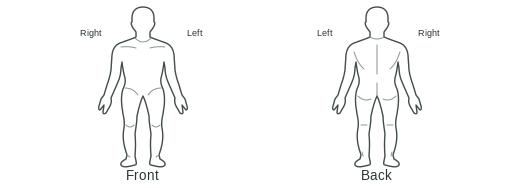
Choose your worksheet
Write when pain starts during a run and how it feels later that day and the next morning.
Name the repeated task and the point in a session or workday when symptoms begin.
List when symptoms come back during a season and what you could do between episodes.
List the drills, speeds, contact, and time your sport requires and what you do now.
Describe what feels less secure during play and how past support affected movement.
Write why you want the assessment and when in a run your movement seems to change.
Describe the sport movement you want to understand, such as turning, landing, or reaching.
Name a prior injury or sport demand you want to prepare for in the coming season.
For an assessed injury, describe the landing and which takeoff or landing tasks changed.
Describe whether your foot was planted and which turning direction now feels harder.
Mark how high or low the pain is and describe the sprint, stretch, or slip when it began.
Compare speeds and movements that bring it back with what you can do between injuries.
Mark the sore area in the thigh and describe symptoms with kicking, stairs, or rising.
Describe where you were hit and how knee bending or walking changed afterward.
For an assessed muscle injury, note where it hurts and how push-off or stairs have changed.
Note the time or pace when pain starts and whether both calves feel the same.
Mark whether the sore area is a pinpoint or a longer strip and when it starts.
Mark the sore area and name the grip, carry, sport, or tool that brings it on.
For an assessed injury, describe the lift and what changed in your ability to push or reach.
Describe the lift, weight, and timing of pain, along with what still feels different.
Note which drill first causes pain and what happens if that drill ends or changes.
Track what you did, when pain appeared, and how it changes before the next session.
Choose one drill that improved and one that still limits your participation.
Write one essential work task and one sport activity you want to regain.
Mark the area of tightness and note whether symptoms stay there or spread.
Write down changes in distance, hills, pace, and surface in the weeks before symptoms.
Use your worksheet at the visit
Print a copy on US Letter paper. Mark the body map or write the locations in your notes. Write a letter where you feel each symptom. Use more than one letter if needed. N Numbness · P Pins & Needles · B Burning / Aching · S Stabbing.
Bring prior images and the written reports, if you have them. Check the date, body area, and side. Ask the office which existing records it needs and how to share them. Ask your physician whether any additional test would change the plan.
Start with one activity you want to get back to. Before you leave, agree on the next step and how you’ll know if it’s helping. For related reading, see Sports medicine.
What to write down
- Your name and visit date. Describe what you used to do, what is harder now, when it started, and what makes it better or worse.
- What you’ve tried, how long it helped, and the main thing you want to understand or decide at the visit.
- The type, date, and location of any prior imaging, and which images or reports you still need to request. Keep any visit notes, therapy notes, medication and allergy lists with your records.
- Your next step, when you’ll check in with your physician, and one small improvement you want to notice.
For more help getting ready, read what to bring to your first orthopedic visit and how to gather records for a second opinion. The AAOS guide to an orthopedic visit also covers what to bring and what to ask.






 (310) 574-0406