
Name the task that first felt harder and show where the pain starts.
Shoulder consult checklists
Note where you feel symptoms and which reaches, lifts, throws, or sleep positions have changed.
Find a checklist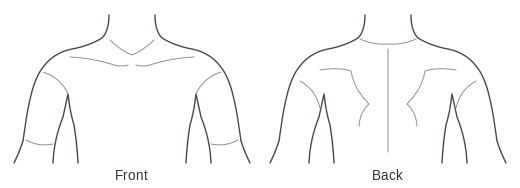
Choose your worksheet
Note what happens when you reach forward, carry a bag, or lift with your palm up.
Mark where the ache starts and note how high you can reach before it begins.
Mark the spot by the shoulder blade and note how reaching, sitting, or turning affects it.
Note whether reaching across your chest, carrying a strap, or lying down brings it on.
Record how high you can reach to a shelf and whether lowering the arm is also hard.
Note which position wakes you, how often, and what lets you settle again.
Note which tasks are hard, such as reaching a back pocket or fastening clothing.
Describe the object’s weight, the direction of the lift, and which part hurts.
Describe which part of the throw hurts and whether control, speed, or distance changed.
Name the stroke and when in a set or lap the shoulder first starts to hurt.
Describe whether your arm feels weak despite little pain or stops because of pain.
Write which direction is most limited and whether someone helping move the arm changes it.
Record the movement that causes it and whether the click or catch is painful.
Note whether the change started suddenly and which lifting or reaching task feels weak.
Note when symptoms start during repeated reach and how the shoulder feels afterward.
Describe the height and direction where lifting your arm feels most uncomfortable.
Describe when the shoulder feels irritated, such as after repeated reaching or side-lying.
Note whether pain or limited motion happened first and which direction is hardest now.
Name tasks limited by pain or stiffness, such as washing your hair or reaching a high shelf.
Describe symptoms crossing your arm, carrying a strap, or using a bench press.
Note which arm positions feel insecure and whether you change how you work or play.
Describe how it happened, how the shoulder was put back, and what you can do now.
Describe whether pain, catching, or a feeling of slipping limits your activity most.
Note what happens with a pull, an overhead throw, or carrying something away from your body.
Describe which lifts, carries, or turns of your palm bring on the front-of-shoulder pain.
Describe the landing or impact and note which straps or movements now bother the area.
Name the daily task most affected by current sling or movement instructions.
Name one motion that improved and one task that still hurts or feels weak.
Write what changed during the first day and later weeks, including sleep or reach.
Mark where the pain starts and whether turning your head or lifting the arm changes it.
Use your worksheet at the visit
Print a copy on US Letter paper. Mark the body map or write the locations in your notes. Write a letter where you feel each symptom. Use more than one letter if needed. N Numbness · P Pins & Needles · B Burning / Aching · S Stabbing.
Bring prior images and the written reports, if you have them. Check the date, body area, and side. Ask the office which existing records it needs and how to share them. Ask your physician whether any additional test would change the plan.
Start with one activity you want to get back to. Before you leave, agree on the next step and how you’ll know if it’s helping. For related reading, see Shoulder.
What to write down
- Your name and visit date. Describe what you used to do, what is harder now, when it started, and what makes it better or worse.
- What you’ve tried, how long it helped, and the main thing you want to understand or decide at the visit.
- The type, date, and location of any prior imaging, and which images or reports you still need to request. Keep any visit notes, therapy notes, medication and allergy lists with your records.
- Your next step, when you’ll check in with your physician, and one small improvement you want to notice.
For more help getting ready, read what to bring to your first orthopedic visit and how to gather records for a second opinion. The AAOS guide to an orthopedic visit also covers what to bring and what to ask.






 (310) 574-0406