
Mark where you feel it and name the daily task you most want back.
Hip consult checklists
Use four views to show where you feel symptoms around the hip. Note which activities have changed, like sitting through a drive, putting on shoes, or getting up from a chair.
Find a checklist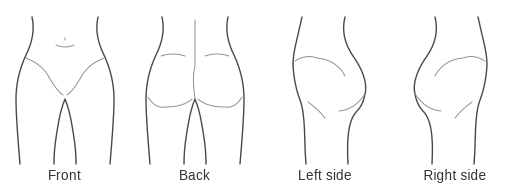
Choose your worksheet
Note what happens with lifting the knee, stepping up, or sitting low.
Mark the outside spot and compare lying on that side, walking, and climbing stairs.
Mark where symptoms start and where they travel when sitting or walking.
Record what happens with putting on shoes, turning, or a long stride.
Write the distance or time before you slow down, limp, or need a break.
Note when symptoms start, the surface, and how your hip feels the next morning.
Compare a low seat, upright chair, and time spent sitting before pain starts.
Describe whether lifting your leg, turning, or standing out of the seat is hardest.
Note your usual sleep position, when you wake, and what lets you settle again.
Name a task where you notice lost movement, such as putting on socks or shoes.
Write which motion brings on the sound and whether pain or a catch happens with it.
Describe the position, whether you had pain, and what stopped you from falling.
Describe your walking limit, morning stiffness, and the activity you want to regain.
Note how turning, sitting, or lifting the knee relates to pain or a catch.
Record how symptoms change with deep bending, sitting low, or rotating at the hip.
Note when your hip feels tired or sore during standing, walking, or other daily tasks.
Describe movements that make the hip feel as if it shifts, slips, or needs support.
Track outer hip tenderness when lying on your side, walking, or using steps.
Note how single-leg tasks, hill walking, or carrying groceries affect the outer hip.
Describe the stride, kick, or lift when symptoms began and what now feels limited.
Describe what happens with side steps, changing direction, or getting in and out of a car.
Mark the sore spot near the sitting bone and compare sitting and longer strides.
Describe whether the snap feels at the front, side, or deep inside the hip.
Mark whether the pain sits above, beside, or below the dimple next to your spine.
Compare one task that improved with one that still causes symptoms.
Note which movement felt different, when the change began, and how long it lasted.
Write which activity you want the clinician to connect to the imaging findings.
On the map, mark where each symptom starts and how far it spreads during an episode.
Compare seated climbing, standing on pedals, and longer flat rides.
Note how sitting, walking, stairs, and changing position affect the symptoms.
Use your worksheet at the visit
Print a copy on US Letter paper. Mark the body map or write the locations in your notes. Write a letter where you feel each symptom. Use more than one letter if needed. N Numbness · P Pins & Needles · B Burning / Aching · S Stabbing.
Bring prior images and the written reports, if you have them. Check the date, body area, and side. Ask the office which existing records it needs and how to share them. Ask your physician whether any additional test would change the plan.
Start with one activity you want to get back to. Before you leave, agree on the next step and how you’ll know if it’s helping. For related reading, see Hip & joint replacement.
What to write down
- Your name and visit date. Describe what you used to do, what is harder now, when it started, and what makes it better or worse.
- What you’ve tried, how long it helped, and the main thing you want to understand or decide at the visit.
- The type, date, and location of any prior imaging, and which images or reports you still need to request. Keep any visit notes, therapy notes, medication and allergy lists with your records.
- Your next step, when you’ll check in with your physician, and one small improvement you want to notice.
For more help getting ready, read what to bring to your first orthopedic visit and how to gather records for a second opinion. The AAOS guide to an orthopedic visit also covers what to bring and what to ask.






 (310) 574-0406