
Mark the sore spots and name the grip or fine-motor task you most want back.
Hand and wrist consult checklists
Mark the fingers or wrist area that bothers you. Note whether grip, pinch, typing, or the tasks you do for work have changed.
Find a checklist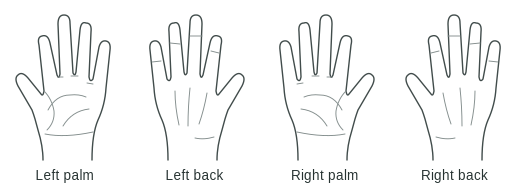
Choose your worksheet
Describe what happens with gripping, pushing up, lifting, or turning a key.
Point to the sore spot and describe what happens with pinching, lifting, or turning.
Mark the spot and note how turning a handle or pushing up from a chair affects it.
Note whether it hurts when the wrist bends back, takes weight, or changes hand position.
For a previously assessed fall, describe what you landed on and which grip still hurts.
Note which motions remain limited and whether symptoms change with light daily tasks.
Note which hand tasks you can manage under current instructions and where you need help.
Describe what work or home tasks are hardest with current thumb or wrist instructions.
Mark the little-finger side and note symptoms with twisting, gripping, or leaning on the hand.
Describe the exact motion and whether the click happens with pain, weakness, or a catch.
Note where the lump sits, when it changes size, and which wrist tasks it affects.
List thumb motions such as lifting a child, using a phone, or opening containers.
Mark which fingers go numb and note whether sleep, driving, or holding a phone brings it on.
Mark the fingers, palm, or back of the hand involved and when symptoms appear.
Note whether a bent elbow, wrist pressure, or another position brings symptoms on.
Name the objects you now drop or hold differently, and note whether pain comes with it.
Mark which thumb joint hurts and compare texting, pinching, and turning lids.
Note which pinch task is hardest, such as a zipper, key, or jar lid.
Describe how the thumb bent and which pinch or grip now feels unstable.
Name the digit and note whether it clicks or locks, when it happens, and how it releases.
Mark which fingers are affected and which tasks are harder as they bend.
Mark the joints involved and note how long stiffness lasts before you use your hands.
Name the joint and note how making a fist or straightening has changed since the injury.
Write which daily grip tasks are hardest under the instructions you already received.
Describe how the fingertip was injured and which tasks are hard with the splint.
Describe the tool or keyboard task and how long it takes for symptoms to appear.
Note which joints feel stiff, for how long, and whether you notice any swelling.
Name one task that improved and another that still feels hard or unstable.
Describe which finger motion changed and what it means for your work or daily tasks.
Use your worksheet at the visit
Print a copy on US Letter paper. Mark the body map or write the locations in your notes. Write a letter where you feel each symptom. Use more than one letter if needed. N Numbness · P Pins & Needles · B Burning / Aching · S Stabbing.
Bring prior images and the written reports, if you have them. Check the date, body area, and side. Ask the office which existing records it needs and how to share them. Ask your physician whether any additional test would change the plan.
Start with one activity you want to get back to. Before you leave, agree on the next step and how you’ll know if it’s helping. For related reading, see Hand & wrist.
What to write down
- Your name and visit date. Describe what you used to do, what is harder now, when it started, and what makes it better or worse.
- What you’ve tried, how long it helped, and the main thing you want to understand or decide at the visit.
- The type, date, and location of any prior imaging, and which images or reports you still need to request. Keep any visit notes, therapy notes, medication and allergy lists with your records.
- Your next step, when you’ll check in with your physician, and one small improvement you want to notice.
For more help getting ready, read what to bring to your first orthopedic visit and how to gather records for a second opinion. The AAOS guide to an orthopedic visit also covers what to bring and what to ask.






 (310) 574-0406