
Mark the sore area and name a task that is harder, such as lifting or turning a handle.
Elbow consult checklists
Show where symptoms start when you grip, lift, or throw. Write down which movements or tasks you want help getting back to.
Find a checklist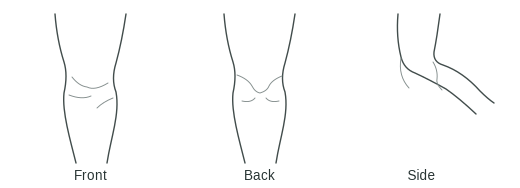
Choose your worksheet
Describe what happens with gripping a tool, lifting palm-down, or using a mouse.
Note whether gripping, throwing, or leaning on the elbow brings on symptoms.
Compare leaning on the elbow with pushing a door or straightening your arm.
Compare straightening, bending, and turning the palm up or down.
Describe the motion and whether the elbow briefly clicks or gets stuck.
Note which lift, grip, or backhand is hardest and how long symptoms last afterward.
Describe which grip, pull, or swing brings on symptoms on the inner elbow.
Write when in the throw symptoms happen and whether accuracy or speed changed.
Note which fingers tingle and whether a bent elbow at night or at a desk triggers it.
Track when the swelling appears and whether pressure or leaning on it changes it.
Describe the lift or pull and how turning your palm up now feels.
Describe the original push or fall and what now happens when you straighten your arm.
Note which task is hardest under the current instructions, including turning your palm.
Tell how the elbow was put back and which activities still feel difficult or insecure.
Note what you were lifting, which way your palm faced, and which part of the lift hurt.
Describe how lost motion affects eating, dressing, reaching, or work tasks.
Note when the elbow stops short or catches and what you were doing at the time.
Use your worksheet at the visit
Print a copy on US Letter paper. Mark the body map or write the locations in your notes. Write a letter where you feel each symptom. Use more than one letter if needed. N Numbness · P Pins & Needles · B Burning / Aching · S Stabbing.
Bring prior images and the written reports, if you have them. Check the date, body area, and side. Ask the office which existing records it needs and how to share them. Ask your physician whether any additional test would change the plan.
Start with one activity you want to get back to. Before you leave, agree on the next step and how you’ll know if it’s helping. For related reading, see Hands & Upper Extremity Injuries.
What to write down
- Your name and visit date. Describe what you used to do, what is harder now, when it started, and what makes it better or worse.
- What you’ve tried, how long it helped, and the main thing you want to understand or decide at the visit.
- The type, date, and location of any prior imaging, and which images or reports you still need to request. Keep any visit notes, therapy notes, medication and allergy lists with your records.
- Your next step, when you’ll check in with your physician, and one small improvement you want to notice.
For more help getting ready, read what to bring to your first orthopedic visit and how to gather records for a second opinion. The AAOS guide to an orthopedic visit also covers what to bring and what to ask.






 (310) 574-0406