
Ulnar Nerve Release for Cubital Tunnel Syndrome: Surgical Relief for Nerve Compression
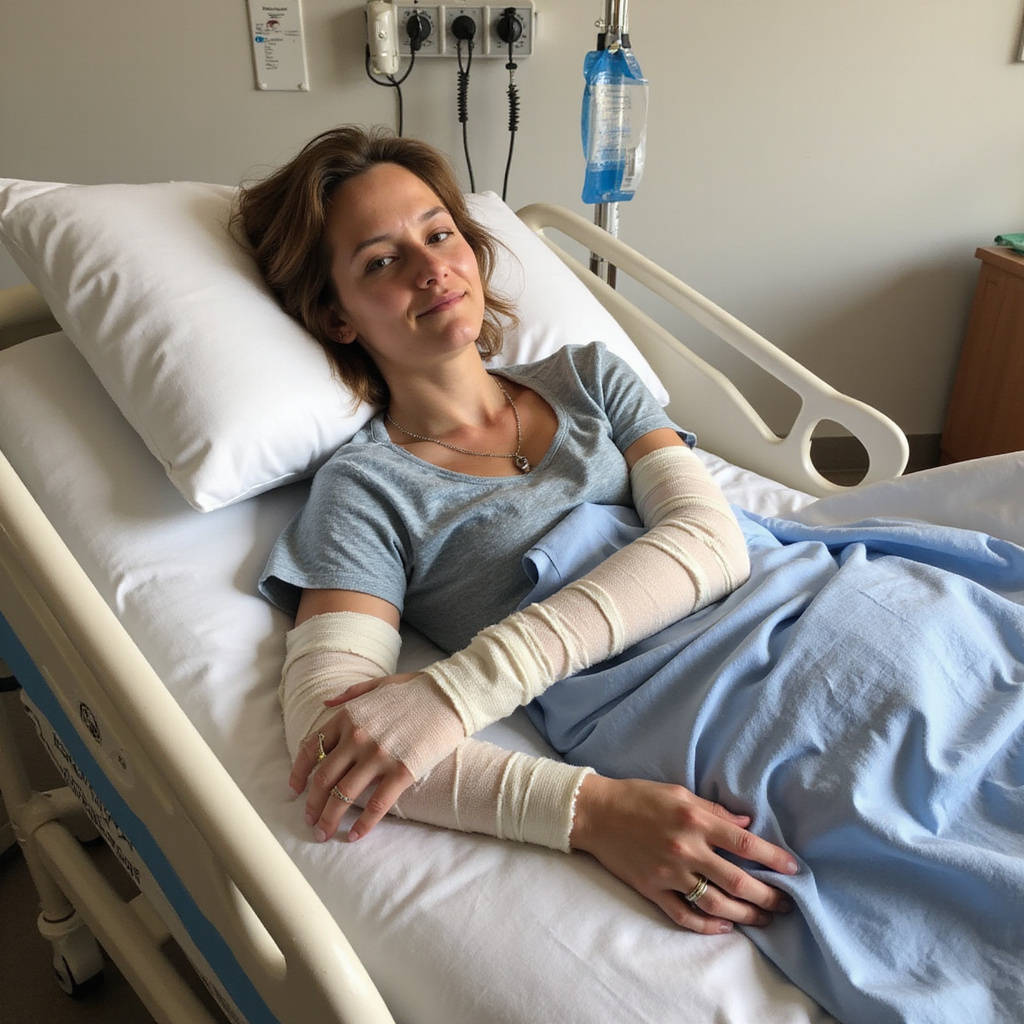
Persistent numbness, tingling, or weakness in the hand can make everyday tasks difficult. For many patients, these symptoms are caused by cubital tunnel syndrome, a condition that occurs when the ulnar nerve becomes compressed at the elbow. When non surgical treatments do not relieve symptoms, ulnar nerve release for cubital tunnel syndrome may be recommended to restore normal nerve function.
At Commons Clinic, our orthopedic specialists provide advanced care for nerve compression conditions. Using modern surgical techniques and personalized treatment plans, we focus on relieving nerve pressure and helping patients regain strength, sensation, and mobility.
What Is Cubital Tunnel Syndrome?
Cubital tunnel syndrome occurs when the ulnar nerve becomes compressed as it passes through a narrow channel on the inner side of the elbow called the cubital tunnel. The ulnar nerve controls sensation in the ring and small fingers and helps power certain hand muscles.
When the nerve becomes irritated or compressed, it can lead to symptoms such as numbness or tingling in the ring and little fingers, weakness in the hand, pain along the inner elbow, and difficulty gripping or holding objects.
The condition often develops gradually and may worsen over time if the pressure on the nerve continues.
Common Causes of Ulnar Nerve Compression
Several factors can contribute to cubital tunnel syndrome. Repeated bending of the elbow places strain on the ulnar nerve and can increase pressure within the cubital tunnel.
Common causes include prolonged elbow flexion, repetitive arm motions, leaning on the elbows for extended periods, prior elbow injuries, and anatomical variations that narrow the cubital tunnel.
People who frequently use their arms for work, sports, or computer activities may have a higher risk of developing this condition.
When Is Ulnar Nerve Release Surgery Recommended?
Many patients improve with conservative treatments such as activity modification, bracing, physical therapy, or anti inflammatory medications. However, surgery may be recommended if symptoms persist or worsen.
Ulnar nerve release surgery may be considered when numbness or tingling continues despite treatment, hand weakness develops, nerve compression is confirmed through testing, or daily activities become difficult due to nerve symptoms.
At Commons Clinic, our orthopedic specialists carefully evaluate each patient to determine whether surgery is the most appropriate treatment option.
How Ulnar Nerve Release Surgery Works
Ulnar nerve release surgery is designed to relieve pressure on the nerve within the cubital tunnel. During the procedure, the surgeon makes a small incision near the inner elbow and releases the structures that are compressing the nerve.
In some cases, the surgeon may reposition the nerve slightly to prevent it from stretching or rubbing against the bone during elbow movement. This procedure is called ulnar nerve transposition.
Both techniques aim to restore proper nerve function and reduce symptoms such as numbness, pain, and weakness.
Most procedures are performed on an outpatient basis, allowing patients to return home the same day.
Recovery After Ulnar Nerve Release
Recovery after cubital tunnel surgery varies depending on the severity of nerve compression and the surgical technique used. Many patients experience gradual improvement in symptoms as the nerve heals.
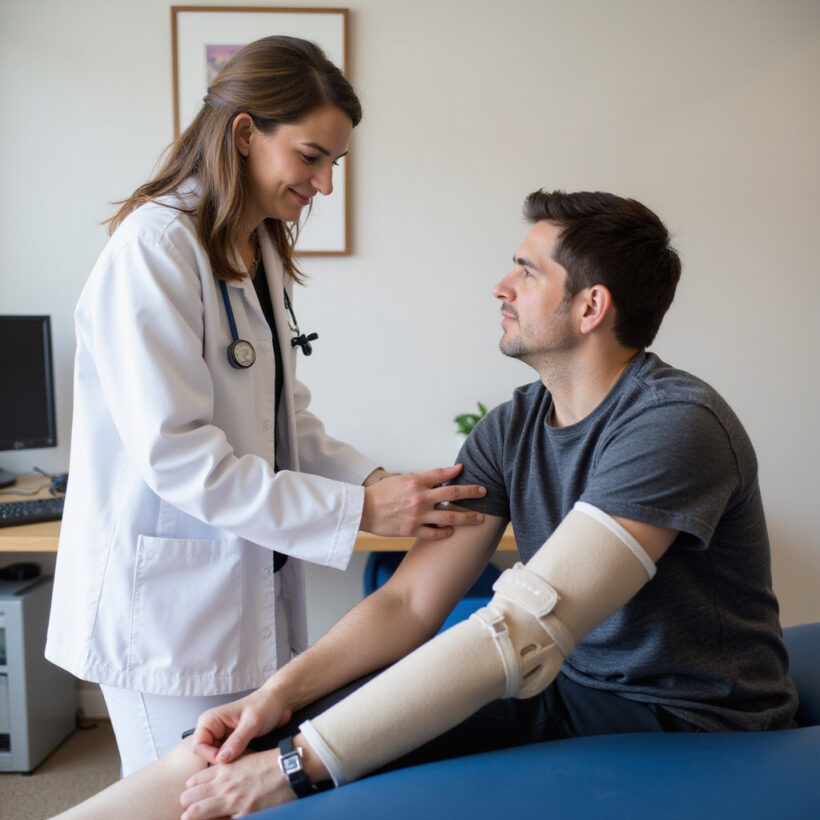
Patients may initially wear a protective bandage or brace while the incision heals. Gentle exercises and physical therapy may be recommended to restore strength and mobility in the arm and hand.
Many individuals return to light activities within a few weeks, while full recovery may take several months. Early treatment often improves the chances of full nerve recovery.
Why Choose Commons Clinic for Cubital Tunnel Surgery
Commons Clinic offers specialized orthopedic care supported by experienced surgeons and modern technology. Our team focuses on accurate diagnosis, minimally invasive treatment options, and personalized recovery plans.
Patients benefit from fellowship trained orthopedic specialists, efficient scheduling, coordinated care, and advanced surgical techniques designed to improve outcomes while minimizing downtime.
Our goal is to relieve nerve compression and help patients regain comfort, strength, and normal hand function.
Frequently Asked Questions
What is ulnar nerve release surgery?
Ulnar nerve release surgery is a procedure that relieves pressure on the ulnar nerve at the elbow to treat cubital tunnel syndrome.
How long does the surgery take?
The procedure typically takes 30 to 60 minutes and is usually performed as an outpatient surgery.
How long is the recovery period?
Many patients return to light activities within a few weeks, but full recovery may take several months depending on nerve healing.
Will the numbness in my fingers go away after surgery?
Many patients experience improvement in numbness and tingling, especially when surgery is performed before severe nerve damage occurs.
Is physical therapy needed after ulnar nerve release?
Physical therapy or guided exercises may be recommended to restore strength and improve arm mobility during recovery.




 (310) 574-0373