
Spinal Deformity Surgery: Restoring Alignment and Improving Spine Health
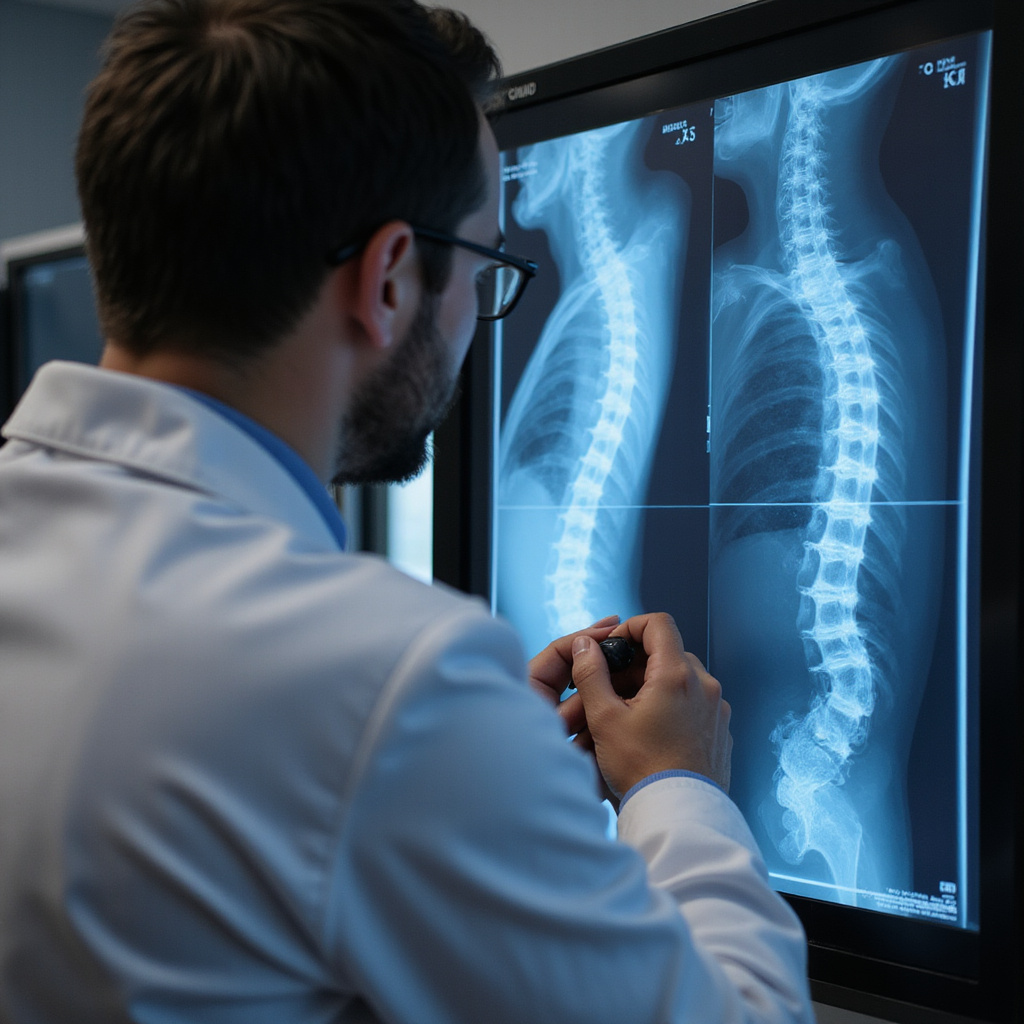
Spinal deformities can affect posture, mobility, and overall quality of life. Conditions that cause abnormal curvature or misalignment of the spine may lead to chronic pain, nerve compression, and difficulty performing everyday activities. When non surgical treatments do not provide enough relief, spinal deformity surgery may be recommended to correct the alignment of the spine and improve stability.
At Commons Clinic, our spine specialists provide advanced care for patients with complex spinal conditions. Using modern surgical techniques and personalized treatment plans, we focus on restoring spinal balance, reducing pain, and helping patients regain mobility.
What Is Spinal Deformity Surgery?
Spinal deformity surgery refers to procedures designed to correct abnormal curves or alignment in the spine. These deformities can occur in different areas of the spine and may affect both children and adults.
Common types of spinal deformities include scoliosis, kyphosis, and lordosis. Scoliosis causes the spine to curve sideways, while kyphosis results in an excessive forward rounding of the upper back. Lordosis occurs when the lower spine curves excessively inward.
Surgery aims to correct these abnormal curves and stabilize the spine. This is typically done using specialized implants such as rods, screws, or bone grafts that help maintain proper alignment while the spine heals.
Conditions Treated With Spinal Deformity Surgery
Spinal deformity surgery is commonly performed to treat conditions that cause significant curvature or imbalance of the spine. One of the most well known conditions is scoliosis, which can develop during adolescence or later in adulthood.
Other conditions treated with deformity surgery include severe kyphosis, degenerative spinal deformities, congenital spinal abnormalities, and spinal imbalance caused by arthritis or disc degeneration.
In adults, spinal deformities may develop gradually as the spine changes with age. These changes can lead to back pain, nerve compression, and difficulty standing upright.
Corrective surgery helps restore alignment and reduce pressure on the spinal cord and nerves.
When Is Spinal Deformity Surgery Recommended?
Many patients with spinal deformities manage their symptoms with non surgical treatments such as physical therapy, medications, bracing, or lifestyle modifications. However, surgery may be recommended when the deformity becomes severe or causes ongoing symptoms.
Spinal deformity surgery may be considered when the spinal curve continues to progress, chronic back pain limits daily activities, nerve compression causes numbness or weakness, or posture and balance are significantly affected.
At Commons Clinic, our spine specialists perform a comprehensive evaluation before recommending surgery. Imaging studies and detailed physical assessments help determine the best treatment approach for each patient.
How Spinal Deformity Surgery Works
Spinal deformity surgery typically involves correcting the alignment of the spine and stabilizing the vertebrae. During the procedure, the surgeon carefully adjusts the position of the spine to reduce the abnormal curve.
Metal rods, screws, and other implants are often used to hold the spine in the corrected position. Bone grafts may also be placed to promote fusion between vertebrae, helping create a stable spinal structure over time.
Advanced surgical techniques allow surgeons to correct deformities while protecting surrounding nerves and tissues.
Recovery After Spinal Deformity Surgery
Recovery from spinal deformity surgery varies depending on the complexity of the procedure and the patient’s overall health. Many patients remain in the hospital for several days after surgery to begin the early stages of recovery.
Walking and light movement are usually encouraged soon after the procedure to support healing. Over time, physical therapy may help improve strength, posture, and mobility.
Full recovery may take several months as the spine heals and stabilizes.
Frequently Asked Questions
What conditions require spinal deformity surgery?
Spinal deformity surgery may be recommended for scoliosis, kyphosis, severe spinal imbalance, or other conditions that cause abnormal curvature of the spine.
How long does spinal deformity surgery take?
The procedure may take several hours depending on the complexity of the spinal correction.
Is spinal deformity surgery safe?
When performed by experienced spine specialists, spinal deformity surgery is considered safe and can significantly improve spinal alignment and quality of life.
How long is the recovery period?
Recovery varies but many patients resume light activities within several weeks, while full recovery may take several months.
Will surgery completely straighten the spine?
The goal of surgery is to improve spinal alignment and balance. While complete straightening may not always be possible, significant improvement is often achieved.




 (562) 427-8119