
Platelet Rich Plasma PRP Treatment
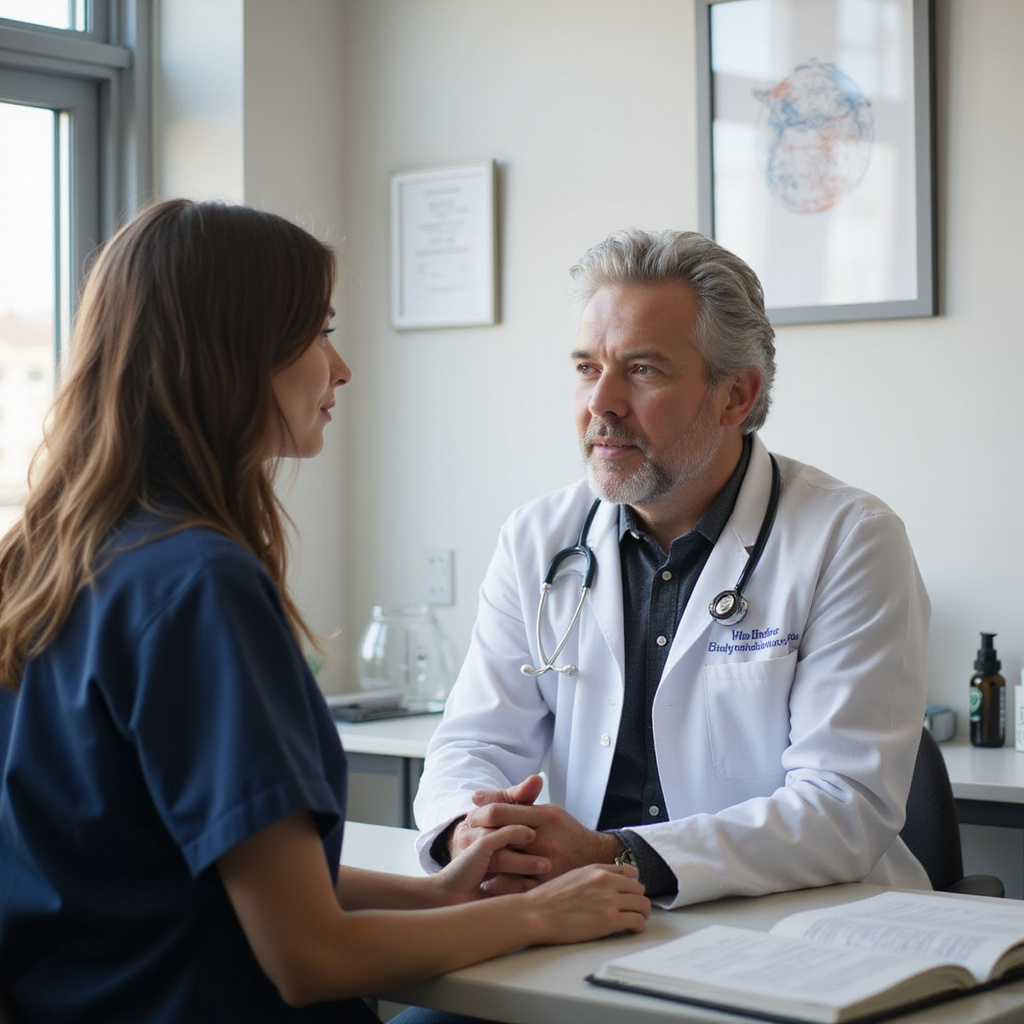
Platelet rich plasma PRP treatment is an advanced regenerative therapy designed to support natural healing in injured joints, tendons, and muscles. At Commons Clinic, our orthopedic specialists use PRP therapy to help patients reduce pain, accelerate recovery, and restore mobility without relying on major surgery.
This treatment is especially popular among athletes, active adults, and patients dealing with chronic joint or soft tissue injuries. By using the body’s own healing components, platelet rich plasma PRP therapy promotes tissue repair and long term recovery.
What Is Platelet Rich Plasma PRP
Platelet rich plasma PRP is a medical treatment that uses concentrated platelets from your own blood to stimulate healing. Platelets contain growth factors that play a critical role in repairing damaged tissue and reducing inflammation.
During PRP therapy, a small sample of your blood is collected and placed into a centrifuge. This process separates the platelet rich plasma from other blood components. The concentrated plasma is then carefully injected into the injured area to promote tissue regeneration and recovery.
Because PRP uses your own biological material, it is considered a natural and minimally invasive treatment option.


Conditions Treated With Platelet Rich Plasma PRP
PRP therapy is used to treat a variety of orthopedic and sports related conditions. At Commons Clinic, our specialists evaluate each patient to determine whether PRP treatment is the right solution.
Tendon and Ligament Injuries
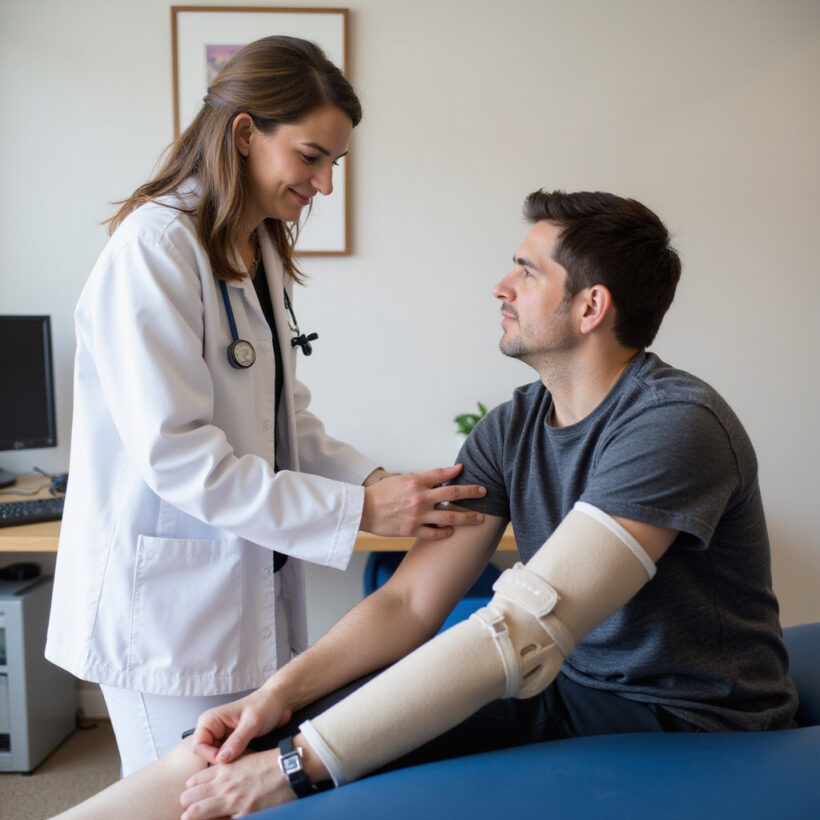
PRP injections are commonly used for conditions such as tendonitis, tennis elbow, and ligament strain. The growth factors in platelets help stimulate tissue repair and reduce inflammation.
Joint Pain and Arthritis
Patients with mild to moderate arthritis may benefit from PRP therapy, which can help improve joint function and reduce discomfort.
Sports Injuries
Athletes often choose platelet rich plasma PRP therapy to support faster recovery from muscle strains, joint injuries, or overuse conditions.
What to Expect During PRP Treatment
Platelet rich plasma PRP therapy is typically performed in an outpatient setting and takes about one hour. The process begins with a blood draw, followed by preparation of the platelet rich plasma using specialized equipment.
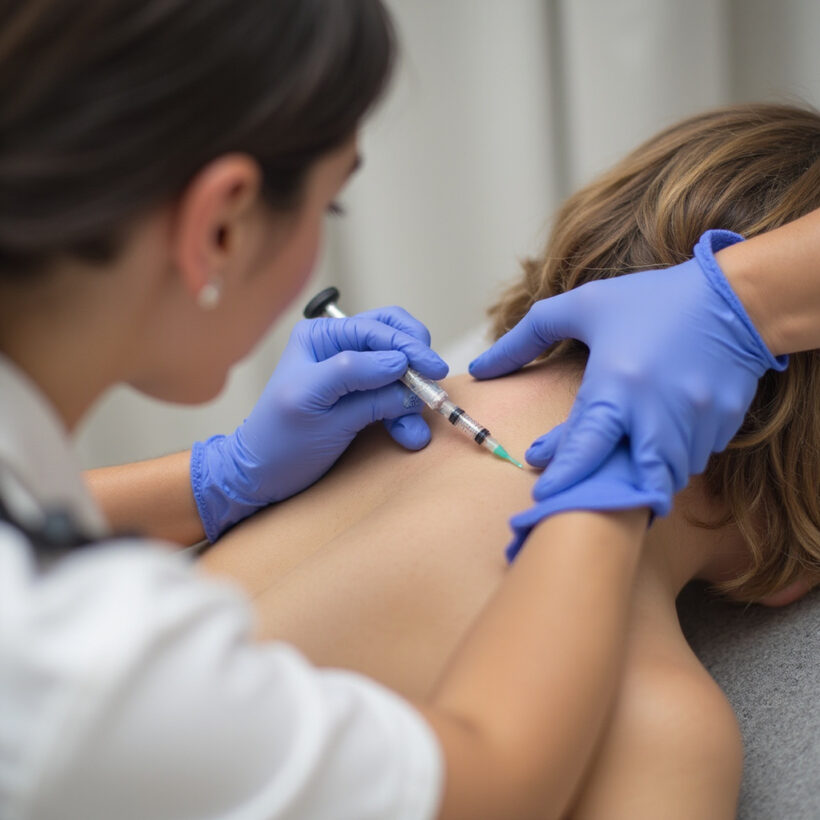
Once the PRP solution is ready, the physician injects it into the injured area using precise guidance. Some patients experience mild pressure during the injection, but discomfort is generally minimal.
Following treatment, patients may notice gradual improvement in pain and function as the body’s natural healing processes are stimulated. Recovery time varies depending on the condition being treated.
Benefits of Platelet Rich Plasma PRP
PRP therapy offers several advantages for patients seeking a non surgical treatment option. Because the therapy uses your own blood, it reduces the risk of allergic reaction while promoting natural healing.
Many patients experience improved joint function, reduced inflammation, and enhanced tissue repair. PRP treatment can also complement physical therapy and other orthopedic care plans.
For individuals hoping to remain active and avoid invasive procedures, platelet rich plasma PRP therapy provides an innovative option for recovery and pain management.
Why Choose Commons Clinic
Commons Clinic provides specialized orthopedic care supported by advanced medical technology and experienced physicians. Our team focuses on accurate diagnosis, personalized treatment plans, and streamlined patient care.
We work closely with patients to understand their symptoms, goals, and activity level before recommending platelet rich plasma PRP therapy. Our goal is to help you recover safely and return to the activities you enjoy.
If persistent joint pain or injury is affecting your mobility, a consultation at Commons Clinic can determine whether PRP therapy may benefit your recovery.
Frequently Asked Questions
How long does PRP treatment take
The entire platelet rich plasma PRP procedure typically takes about one hour from blood draw to injection.
Is PRP therapy safe
Because PRP uses your own blood, the risk of complications or allergic reaction is very low when performed by trained specialists.
How long does it take to see results
Many patients notice improvement within several weeks as the healing process progresses.
How many PRP injections are needed
The number of treatments depends on the condition being treated and the patient’s response to therapy.
Can PRP replace surgery
In some cases PRP may help delay or avoid surgery, but treatment recommendations depend on the severity of the injury.



 (310) 828-7757