
Periarticular Fracture Fixation at Commons Clinic: Precise Repair Near the Joint

When a fracture occurs near a joint, the stakes are higher. These injuries can affect alignment, cartilage surfaces, and long-term joint motion. Periarticular fracture fixation is a surgical approach used to stabilize fractures that occur around major joints such as the knee, ankle, wrist, elbow, or shoulder. The goal is to restore anatomy as accurately as possible, protect joint function, and help you return to safe movement with less risk of stiffness, deformity, or post-traumatic arthritis.
At Commons Clinic, our orthopedic specialists provide expert specialty care with streamlined coordination and access to advanced medical technology. If you have been told you need periarticular fracture fixation, we help you understand the injury, your options, and the clearest path forward.
What Is Periarticular Fracture Fixation?
Periarticular fracture fixation refers to surgical stabilization of fractures that are close to a joint line. Because joint-adjacent fractures can disrupt smooth movement and weight distribution, fixation focuses on:
- Accurate realignment of bone fragments
- Stable fixation using plates, screws, rods, or other implants
- Protection of the joint surface when cartilage is involved
- Early motion when safe, to reduce stiffness and improve recovery
Some injuries are straightforward, while others involve multiple fragments, joint surface depression, or ligament and tendon damage that must be addressed at the same time.
When Is Surgery Recommended?
Periarticular fracture fixation is often recommended when the fracture is displaced, unstable, or involves the joint surface. Common examples include:
- Tibial plateau fractures near the knee
- Distal femur fractures above the knee
- Pilon fractures near the ankle
- Distal radius fractures near the wrist
- Olecranon fractures at the elbow
- Proximal humerus fractures near the shoulder
Surgery may also be recommended when non-surgical treatment would likely lead to joint incongruity, malalignment, or reduced function.
The Commons Clinic Approach: Clear Answers and Precise Planning
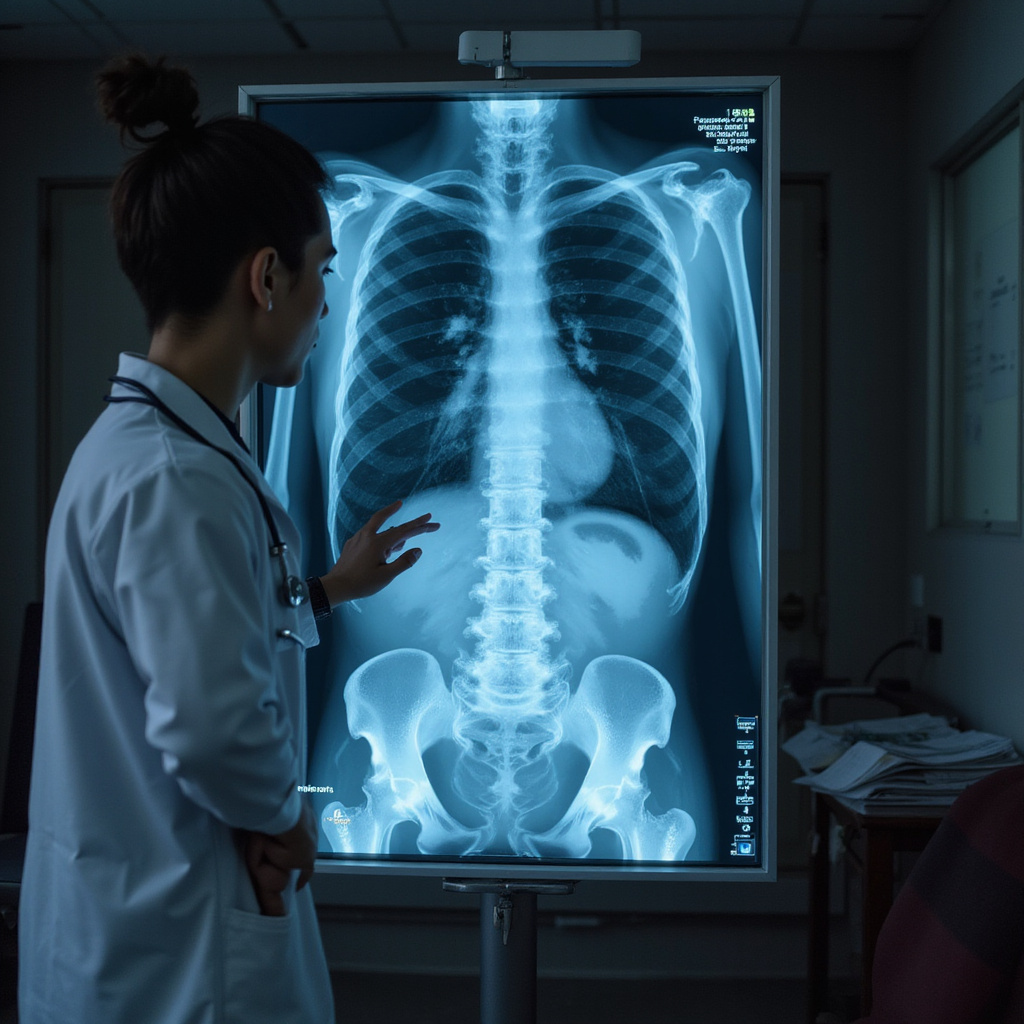
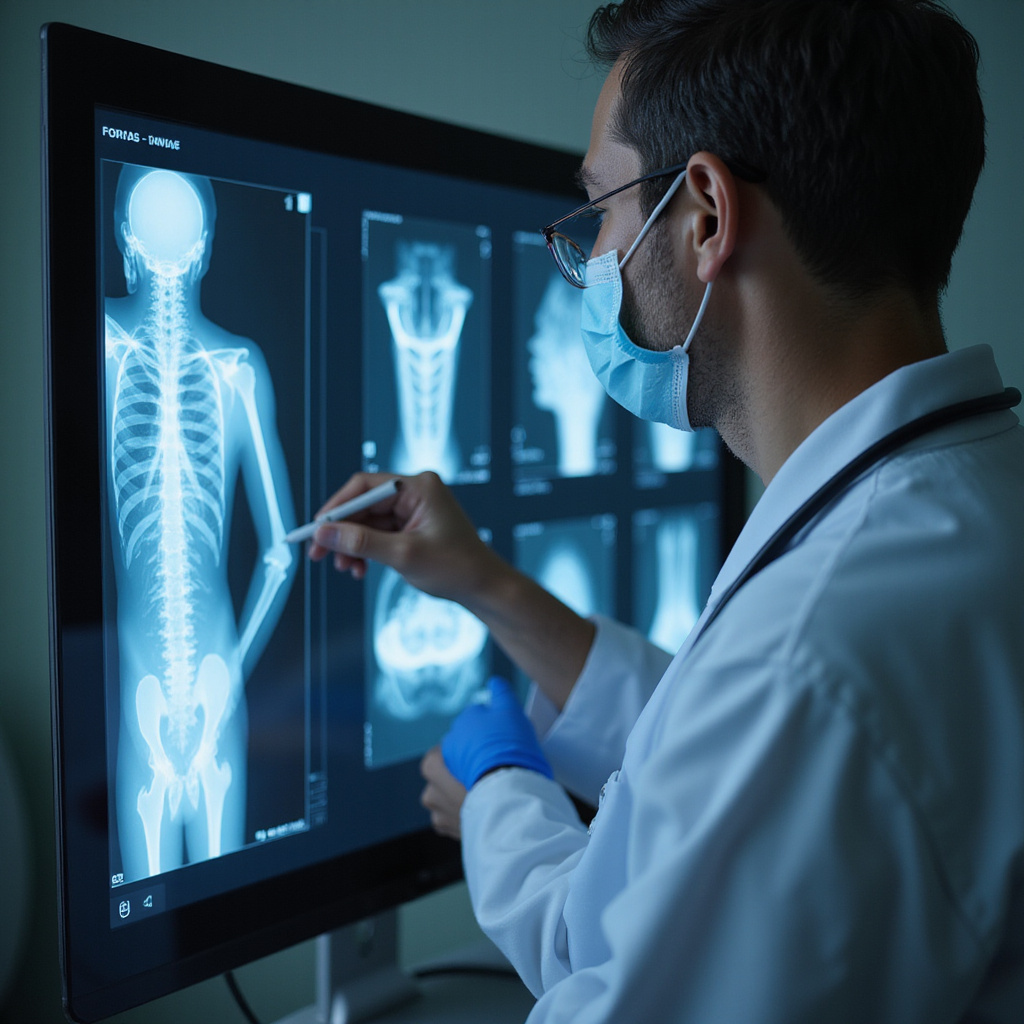
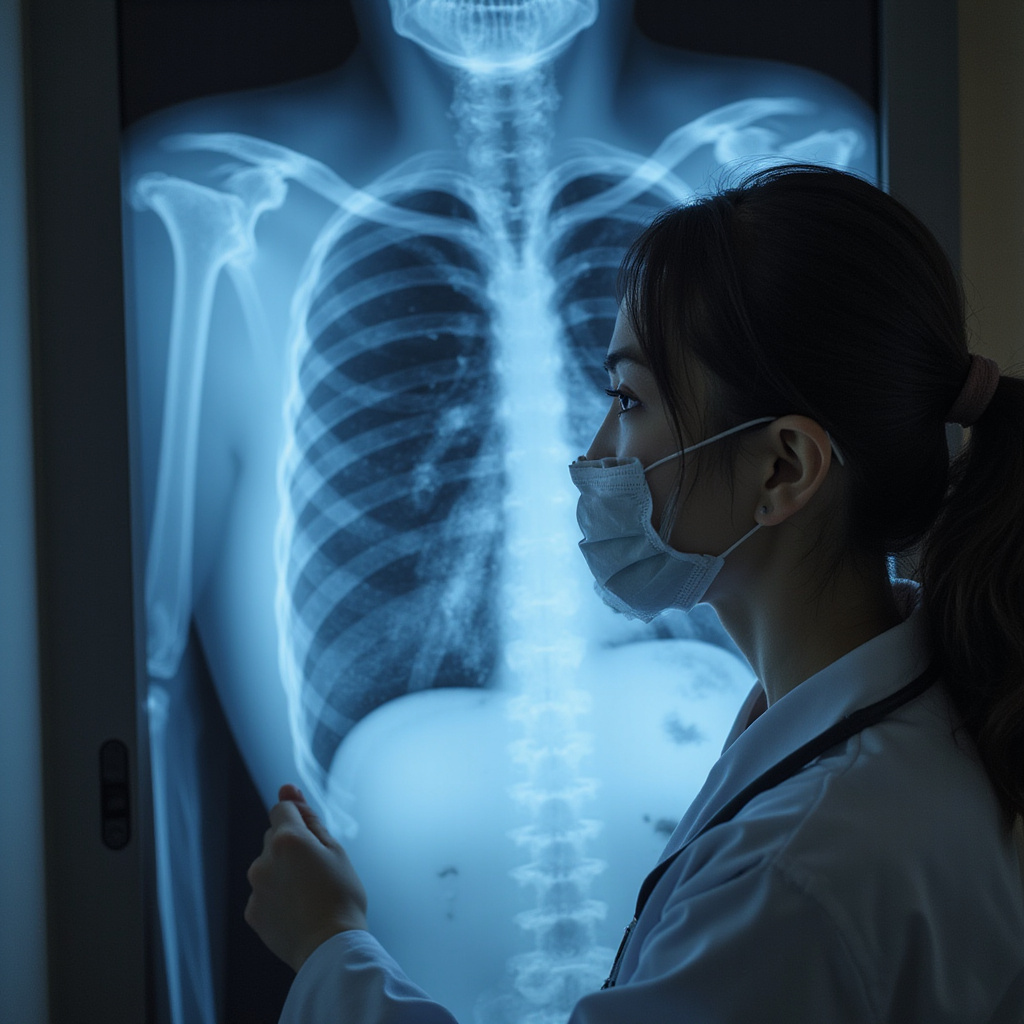
Commons Clinic is designed for patients who want specialty care without unnecessary delays. Your evaluation includes a focused exam and imaging to map the fracture pattern. When needed, advanced imaging helps define joint involvement and guides implant selection and surgical technique.
If periarticular fracture fixation is recommended, we explain:
- What needs to be repaired and why it matters for long-term joint function
- Whether surgery should be staged, especially if swelling is severe
- Expected pain control, mobility milestones, and weight-bearing limits
- Your rehabilitation plan, including physical therapy and range-of-motion goals
Our aim is stable fixation and joint-friendly alignment that supports the best possible outcome.

Recovery and Rehabilitation
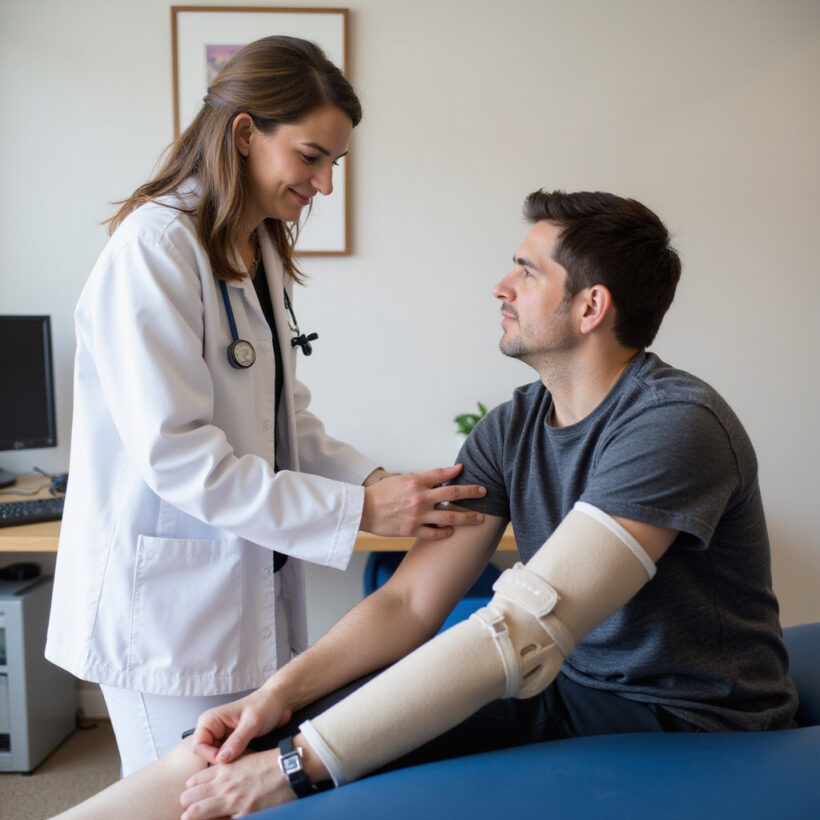
Recovery depends on the joint involved, fracture severity, and fixation method. Many patients begin guided motion early to reduce stiffness, while weight-bearing may be restricted until healing is adequate. We monitor healing with follow-up visits and imaging, then progress activity based on stability and recovery goals.
Why Patients Choose Commons Clinic
- Orthopedic specialists experienced in complex joint-adjacent fractures
- Second-opinion friendly, including imaging review and clear explanations
- Streamlined scheduling and coordinated follow-up care
- Evidence-based surgical planning supported by advanced diagnostics
Frequently Asked Questions
Why are fractures near joints treated differently?
Because small alignment errors near a joint can lead to stiffness, uneven cartilage wear, and arthritis. Fixation aims for precise restoration of joint mechanics.
Will I need plates and screws?
Many periarticular fractures require plates and screws for stable alignment, but the best implant choice depends on the fracture pattern and bone quality.
How soon can I move the joint after surgery?
Often motion starts early if the fixation is stable, but timing depends on the joint and the fracture. Your surgeon will provide a specific plan.
How long until I can bear weight?
Weight-bearing restrictions are common for lower-extremity periarticular fractures and depend on healing progress and stability.
Can Commons Clinic provide a second opinion before surgery?
Yes. We can review your imaging, clarify the fracture type, and explain surgical and non-surgical options so you can decide confidently.
If you are facing a joint-adjacent fracture and want expert guidance with a clear plan, schedule an orthopedic evaluation at Commons Clinic. We will help you move forward with the right fixation strategy and a recovery roadmap built for your goals.



 (310) 423-9834