
Pelvic Fracture Surgery at Commons Clinic: Expert Stabilization for a Safe Recovery
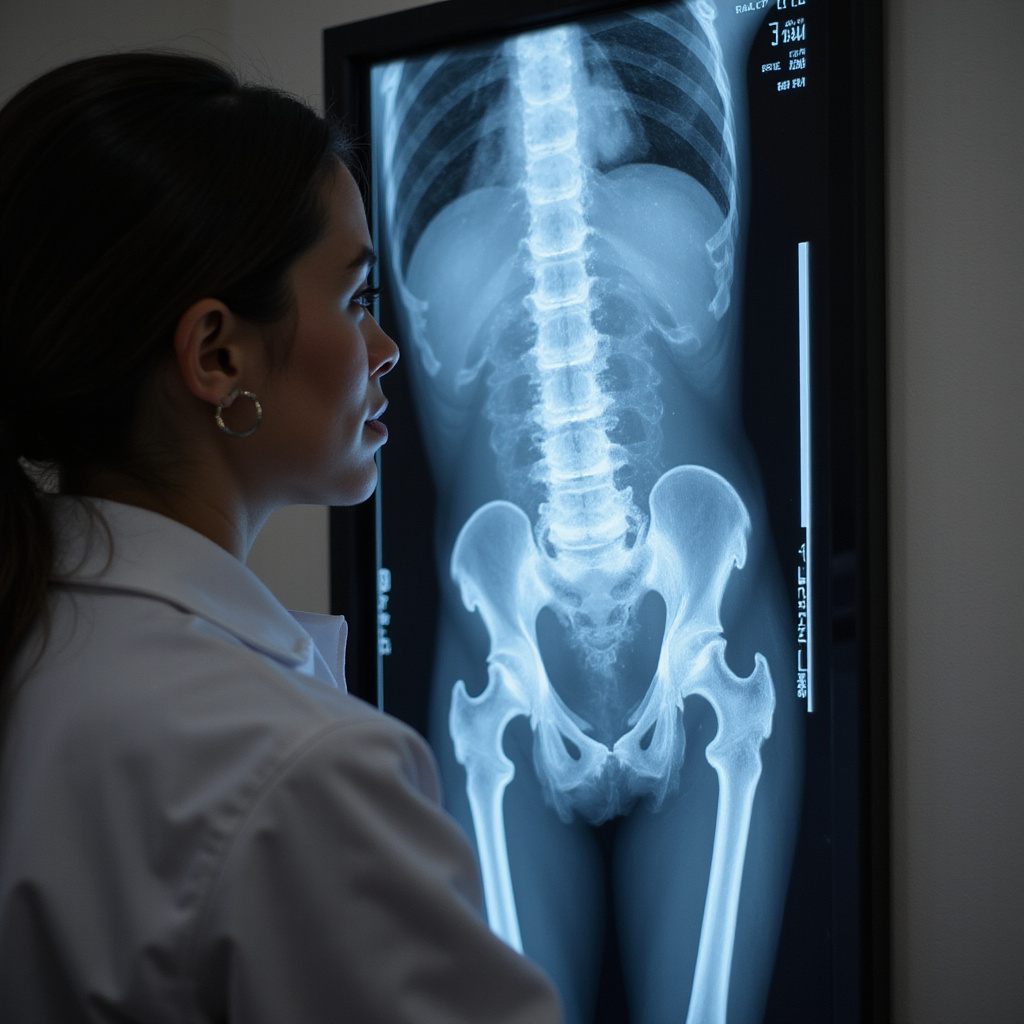
A pelvic fracture is a serious injury that can affect mobility, pain levels, and overall stability of the body. Some pelvic fractures heal well with rest and protected weight-bearing, but others are unstable and require surgical repair to restore alignment, reduce complications, and support earlier, safer movement. Pelvic fracture surgery is designed to stabilize the pelvis, protect nearby nerves and blood vessels, and help you return to standing and walking as your condition allows.
At Commons Clinic, our orthopedic specialists provide expert specialty care with a streamlined experience and access to advanced diagnostic and surgical technology. If you or a loved one has been told pelvic fracture surgery may be needed, we focus on clear answers, decisive planning, and a recovery roadmap built around safety and function.
What Is Pelvic Fracture Surgery?
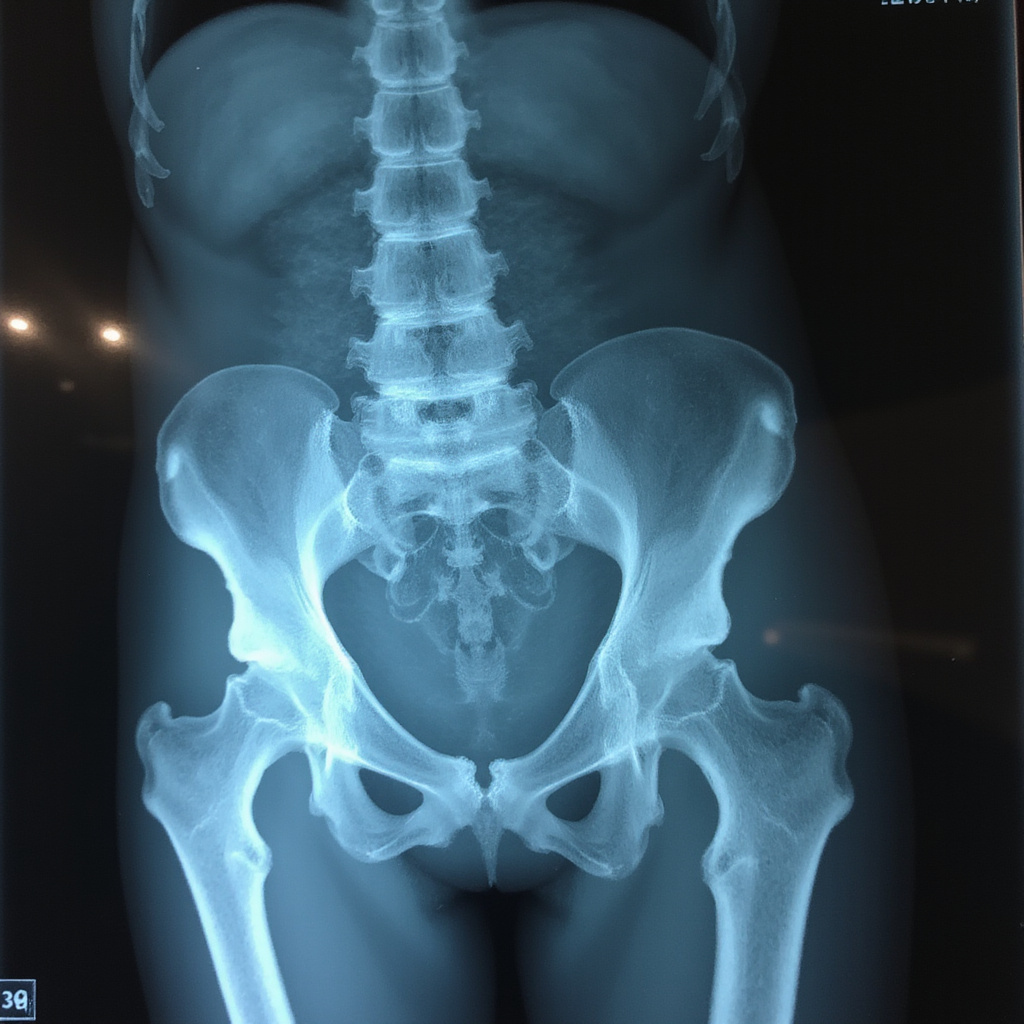
Pelvic fracture surgery stabilizes breaks in the pelvic ring using implants such as screws, plates, or rods. The pelvis is a load-bearing structure that connects the spine to the legs, so alignment and stability matter. Surgical repair may involve:
- Internal fixation with plates and screws to restore structural stability
- Percutaneous screw fixation, a less invasive approach in select fracture patterns
- External fixation, sometimes used temporarily in urgent situations or when swelling is severe
- Combined procedures if the sacrum, hip socket, or spine are involved
The specific plan depends on the fracture pattern, stability of the pelvic ring, associated injuries, and overall medical status.
When Is Pelvic Fracture Surgery Recommended?
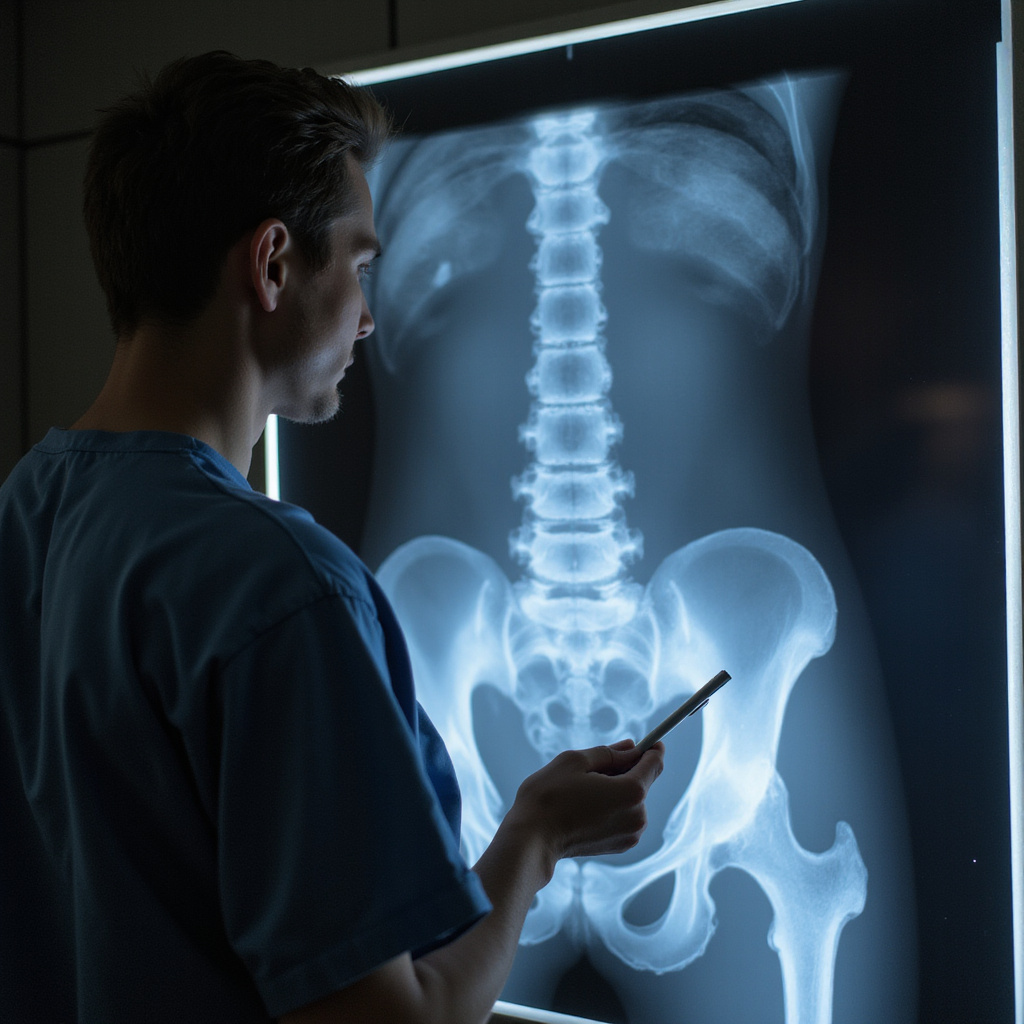
Surgery is more likely when fractures are displaced or unstable, such as:
- Pelvic ring disruptions that shift under body weight
- Fractures involving the sacroiliac region or sacrum with instability
- Acetabular fractures, meaning fractures of the hip socket, in select cases
- Injuries from high-impact trauma, such as vehicle accidents or major falls
- Situations where non-surgical care would risk malalignment, chronic pain, or limited function
In older adults, pelvic fractures can sometimes occur from lower-energy falls, and treatment decisions may depend on stability, pain control, and ability to mobilize safely.
The Commons Clinic Approach
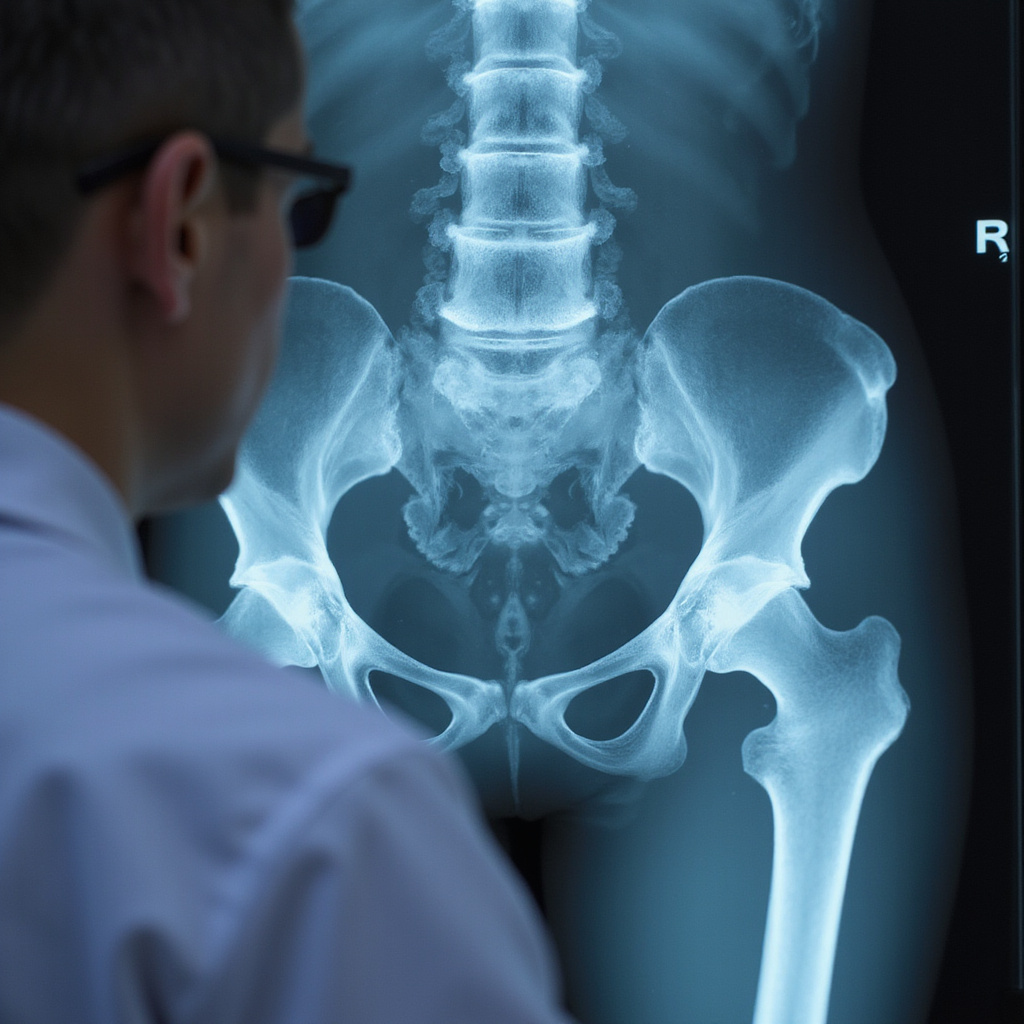
Commons Clinic is designed for patients who want expert orthopedic care without unnecessary delays. Your evaluation includes a focused exam and imaging, often with CT scans to map the injury in detail. We also assess nerve function, blood loss risk, and the stability of the pelvic ring.
If pelvic fracture surgery is recommended, we provide a clear plan that explains:
- What needs to be stabilized and why
- Whether surgery should be staged based on swelling and overall condition
- Pain control and mobility expectations
- Weight-bearing restrictions and rehabilitation milestones
- Follow-up imaging to monitor healing and alignment
Our priority is stable fixation and a safe pathway back to movement.
Recovery and Rehabilitation
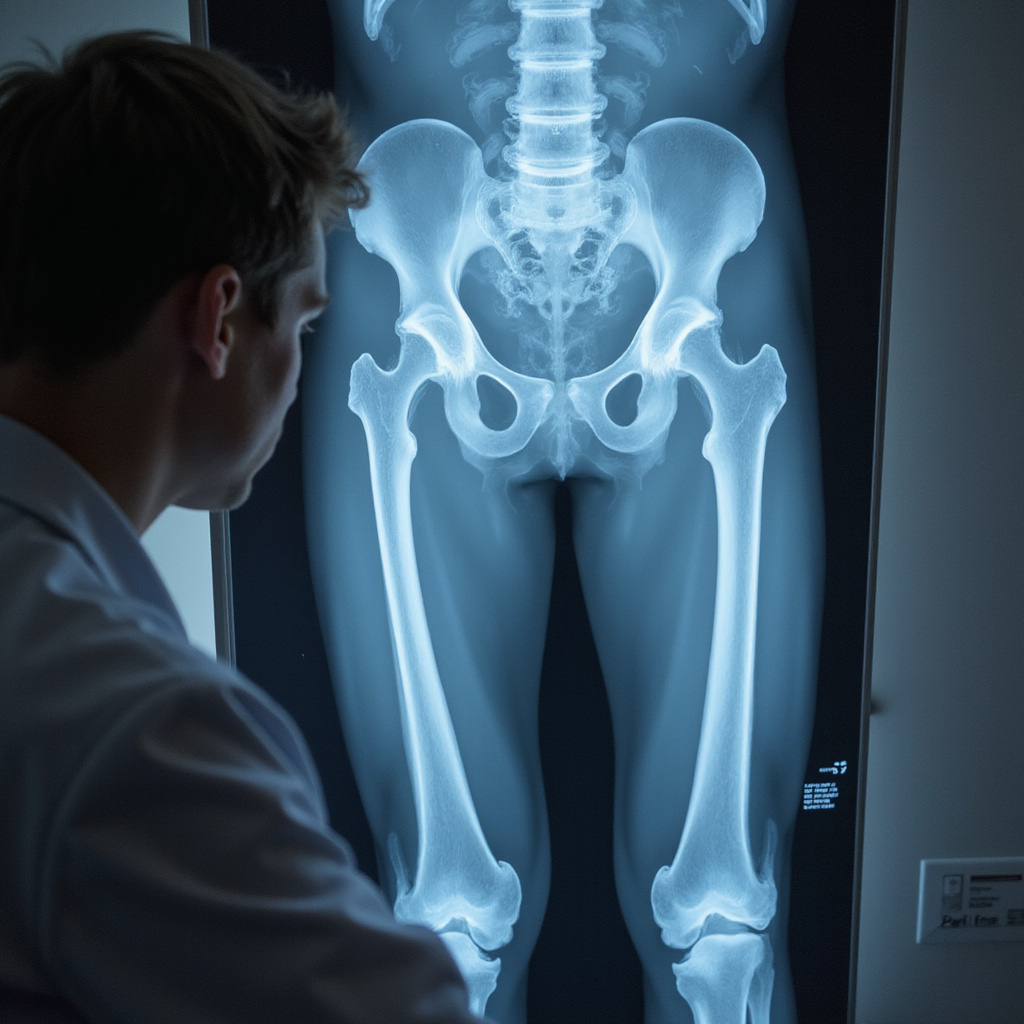
Recovery depends on fracture type, fixation method, and overall health. Many patients require a period of restricted weight-bearing, along with physical therapy focused on safe transfers, walking mechanics, and rebuilding strength. We also address prevention strategies when appropriate, including fall risk reduction and bone health evaluation for osteoporosis.
Why Patients Choose Commons Clinic
- Orthopedic specialists experienced in complex fractures and trauma-level decision making
- Second-opinion friendly care with detailed imaging review
- Streamlined scheduling and coordinated follow-up
- Evidence-based surgical planning supported by advanced diagnostics
Frequently Asked Questions
Do all pelvic fractures require surgery?
No. Many stable fractures can be treated without surgery. Surgery is more likely when the pelvic ring is unstable or the fracture is displaced.
How do you decide whether surgery is needed?
We evaluate stability, alignment, pain, ability to mobilize, and imaging findings. CT scans often help define the fracture pattern.
How long will I be non-weight-bearing?
It depends on the injury and fixation. Some patients have partial or protected weight-bearing, while others need longer restriction for safe healing.
What are the risks of pelvic fracture surgery?
Risks can include bleeding, infection, blood clots, nerve irritation, and hardware issues. Careful planning and follow-up reduce these risks.
Can Commons Clinic provide a second opinion?
Yes. We can review imaging and prior recommendations and explain the safest, most effective options for your specific fracture.
If you are facing pelvic fracture surgery and want expert guidance with a clear plan, schedule an orthopedic evaluation at Commons Clinic. We will help you move forward with confident decisions and a recovery roadmap focused on safe mobility.




 (310) 437-7929