
Partial Knee Replacement at Commons Clinic

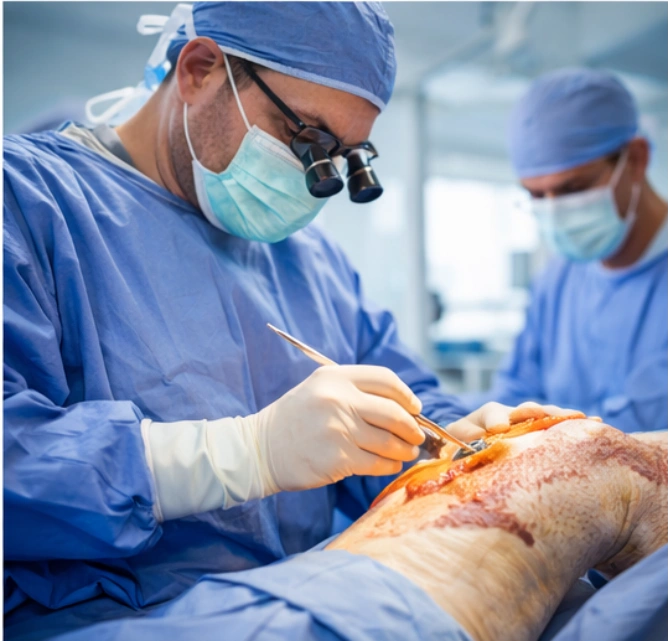
Partial knee replacement is a minimally invasive orthopedic procedure used to treat arthritis that affects only one section of the knee joint. At Commons Clinic, our orthopedic specialists perform partial knee replacement to relieve pain, restore joint function, and help patients return to daily activities with a faster recovery compared to traditional knee replacement.
Many patients with localized knee damage do not require a full joint replacement. Partial knee replacement targets the damaged area while preserving healthy bone, cartilage, and ligaments. This approach can provide effective pain relief while maintaining more natural knee movement.
What Is Partial Knee Replacement?
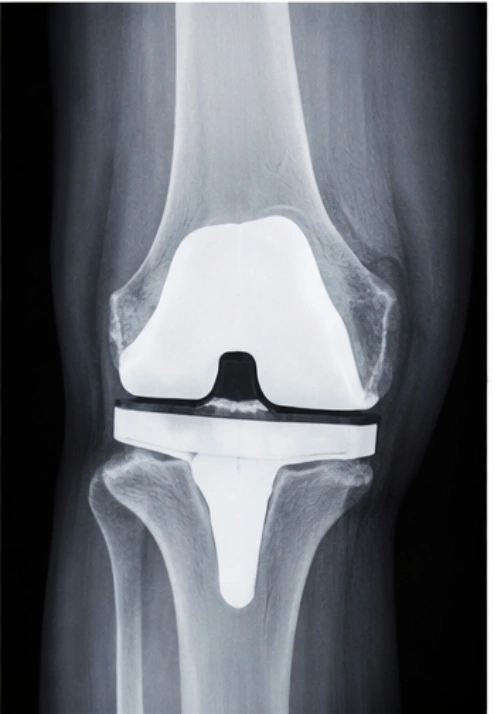
Partial knee replacement, also called unicompartmental knee replacement, replaces only the damaged portion of the knee joint. The knee contains three compartments, and when arthritis affects only one of them, surgeons may replace that section instead of the entire joint.
During the procedure, damaged cartilage and bone are removed and replaced with a durable implant designed to restore smooth movement. Because much of the healthy joint remains intact, patients often experience a more natural feeling knee after recovery.
Orthopedic specialists at Commons Clinic use imaging and physical evaluation to determine whether partial knee replacement is the right treatment.


Benefits of Partial Knee Replacement
Partial knee replacement offers several advantages for appropriate candidates. Because the surgery involves a smaller area of the joint, it usually requires a smaller incision and preserves more natural tissue.
Patients often experience less postoperative pain, shorter hospital stays, faster rehabilitation, and improved knee function. Many individuals return to everyday activities sooner compared to total knee replacement.
When to Consider Partial Knee Replacement
Partial knee replacement may be recommended for patients with arthritis or joint damage limited to one compartment of the knee. Symptoms often include persistent knee pain, stiffness, and difficulty with daily movement.
Patients with healthy ligaments and stable knee alignment may benefit most from this procedure. When arthritis affects multiple compartments, total knee replacement may be recommended instead.
Frequently Asked Questions
How long does partial knee replacement surgery take?
The procedure usually takes about one hour, and many patients return home the same day.
How long does recovery take after partial knee replacement?
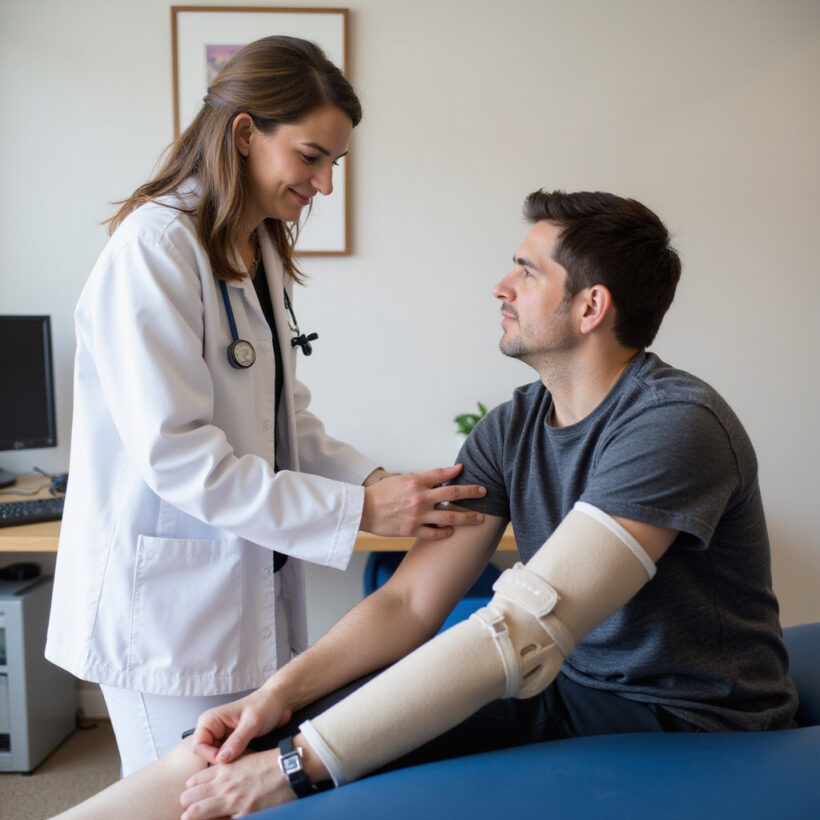
Many patients begin walking shortly after surgery and return to normal activities within several weeks. Full recovery may take several months.
Is partial knee replacement better than total knee replacement?
It may be beneficial when arthritis affects only one section of the knee because it preserves more natural joint structure.
How long do partial knee implants last?
Partial knee implants often last ten to fifteen years or longer depending on activity level and joint health.
Who is a candidate for partial knee replacement?
Patients with localized knee arthritis, stable ligaments, and damage limited to one compartment of the knee may be good candidates. An orthopedic evaluation can confirm eligibility.



 (562) 348-4588