
LCL Reconstruction at Commons Clinic
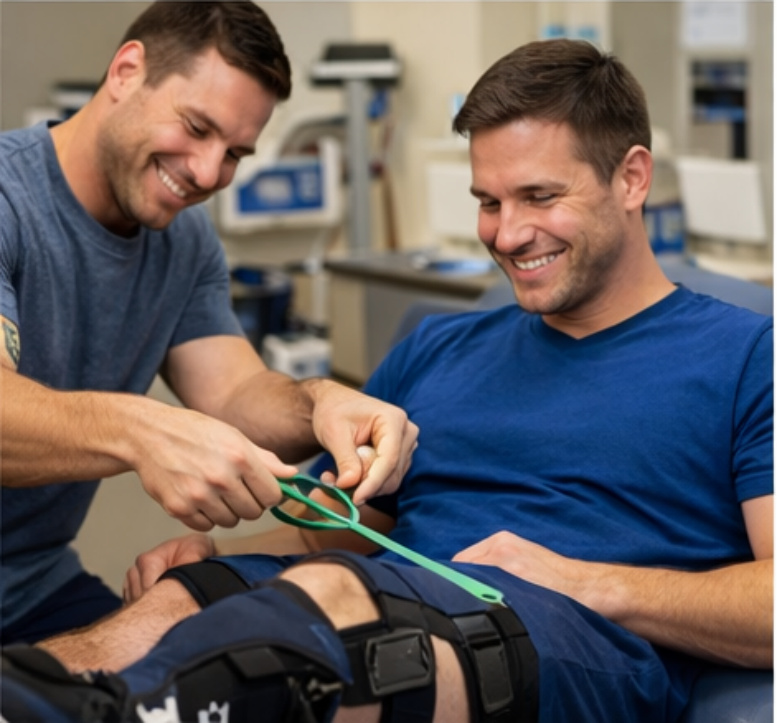
LCL reconstruction is an orthopedic procedure used to restore knee stability after a severe lateral collateral ligament injury. At Commons Clinic, our orthopedic specialists treat ligament injuries using advanced surgical techniques and personalized recovery plans designed to help patients regain mobility and return to normal activity.
The lateral collateral ligament, or LCL, is located on the outer side of the knee and helps stabilize the joint by preventing excessive outward movement. Injuries often occur during sports, sudden twisting movements, or direct impact to the knee. When the ligament is severely torn, patients may experience pain, swelling, and knee instability.
What Is LCL Reconstruction?
LCL reconstruction is a surgical procedure that replaces a damaged lateral collateral ligament with a tissue graft. The graft functions as a new ligament that stabilizes the knee and supports normal joint movement.
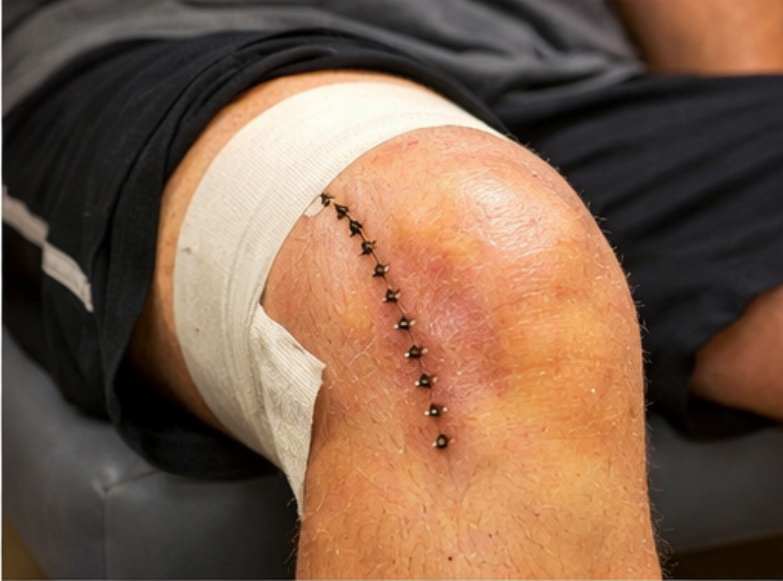
During surgery, the damaged ligament is removed and the graft is positioned along the outer knee. The graft may come from the patient’s own tendon tissue or from donor tissue. Over time, the graft integrates with surrounding structures and becomes a functional ligament.
Who May Need LCL Reconstruction?
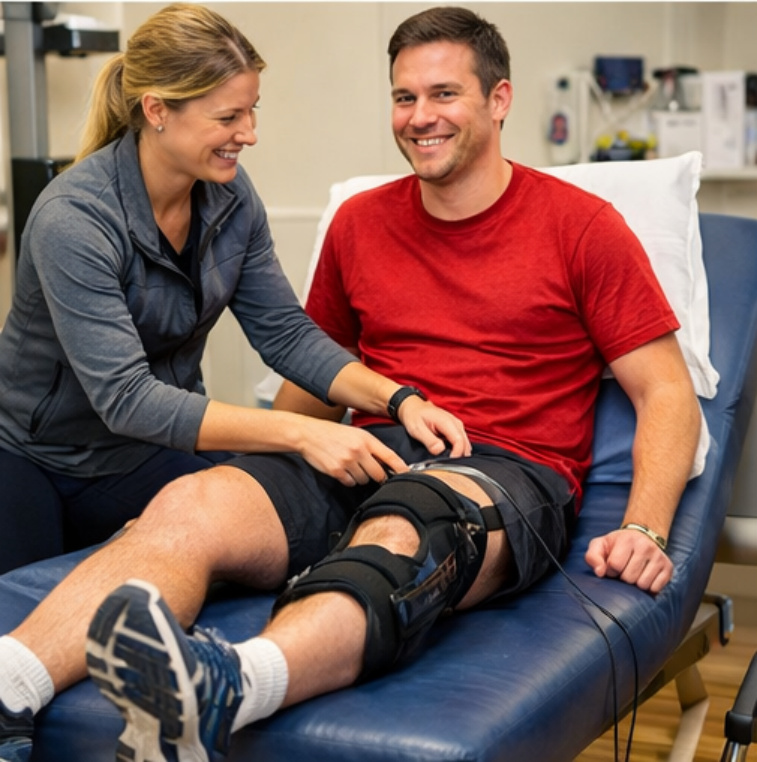
Many mild LCL injuries can heal with rest, bracing, and physical therapy. Reconstruction may be recommended for severe tears, persistent instability, or injuries involving multiple knee ligaments.
Athletes and physically active individuals often benefit from reconstruction because knee stability is essential for movements such as running, pivoting, and quick changes in direction.
Benefits of LCL Reconstruction
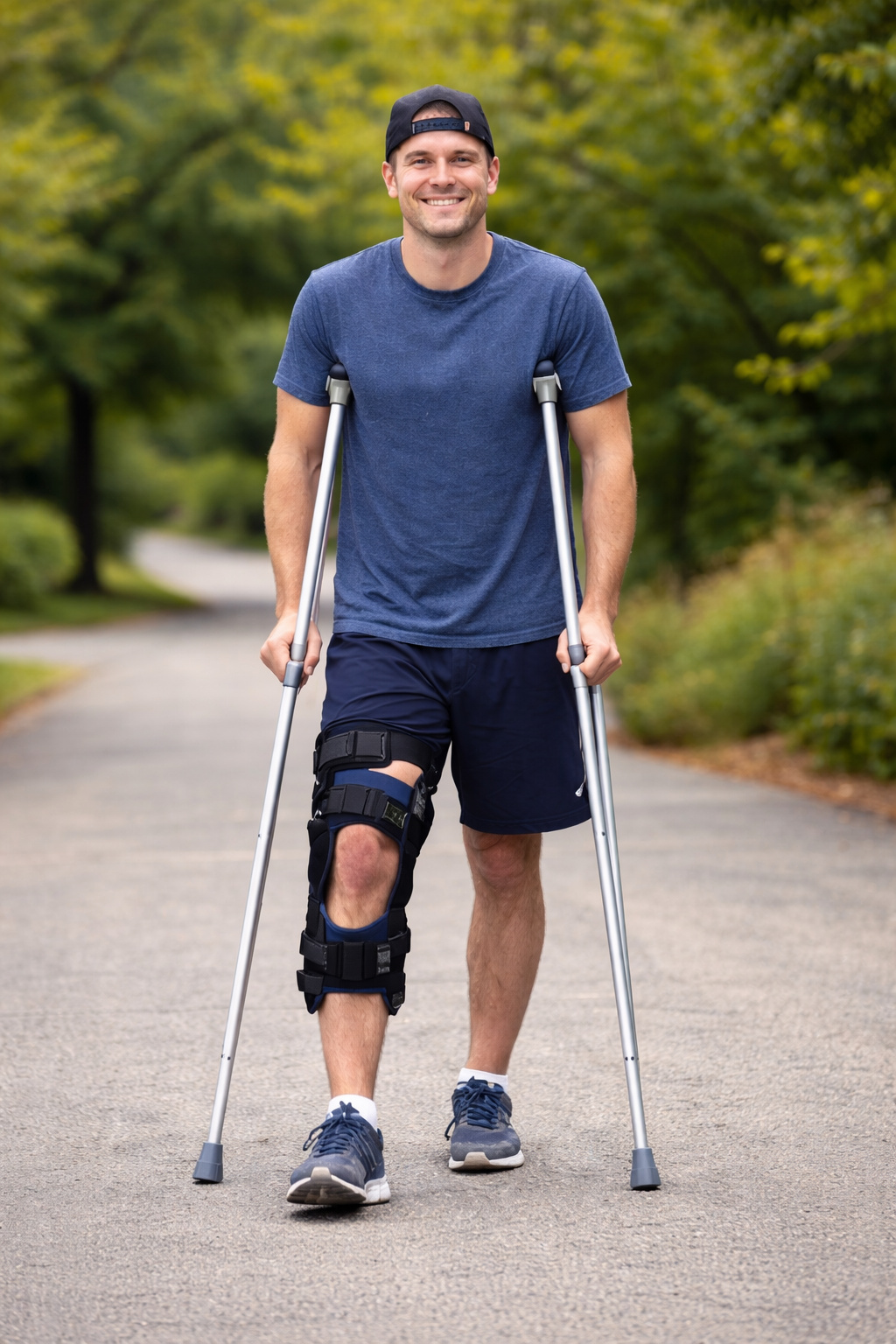
LCL reconstruction can restore knee stability, reduce pain, and help protect the joint from further damage. The lateral collateral ligament plays a key role in preventing excessive outward movement of the knee. When this ligament is severely torn, the knee can feel unstable and weak during walking, turning, or athletic activities. Reconstructing the ligament helps restore the structural support that keeps the knee functioning properly.
Many patients regain confidence in movement and return to daily activities or sports after rehabilitation. By rebuilding the damaged ligament with a strong tissue graft, the procedure improves alignment and helps the knee handle normal stress again. This stability can make activities such as walking, climbing stairs, and exercising feel more comfortable and secure.
Improved Knee Stability and Function
One of the primary benefits of LCL reconstruction is improved knee stability. Patients who experience frequent knee buckling or instability often notice significant improvement after surgery and rehabilitation. Restoring ligament support helps the knee move more naturally and reduces the risk of additional ligament or cartilage damage.
Protection Against Long Term Joint Damage
An untreated LCL injury can lead to ongoing instability that places abnormal pressure on the knee joint. Over time, this can contribute to cartilage wear, meniscus injuries, and early joint degeneration. Reconstructing the ligament helps protect the knee from these long term complications by restoring proper joint mechanics.
A Structured Path to Recovery
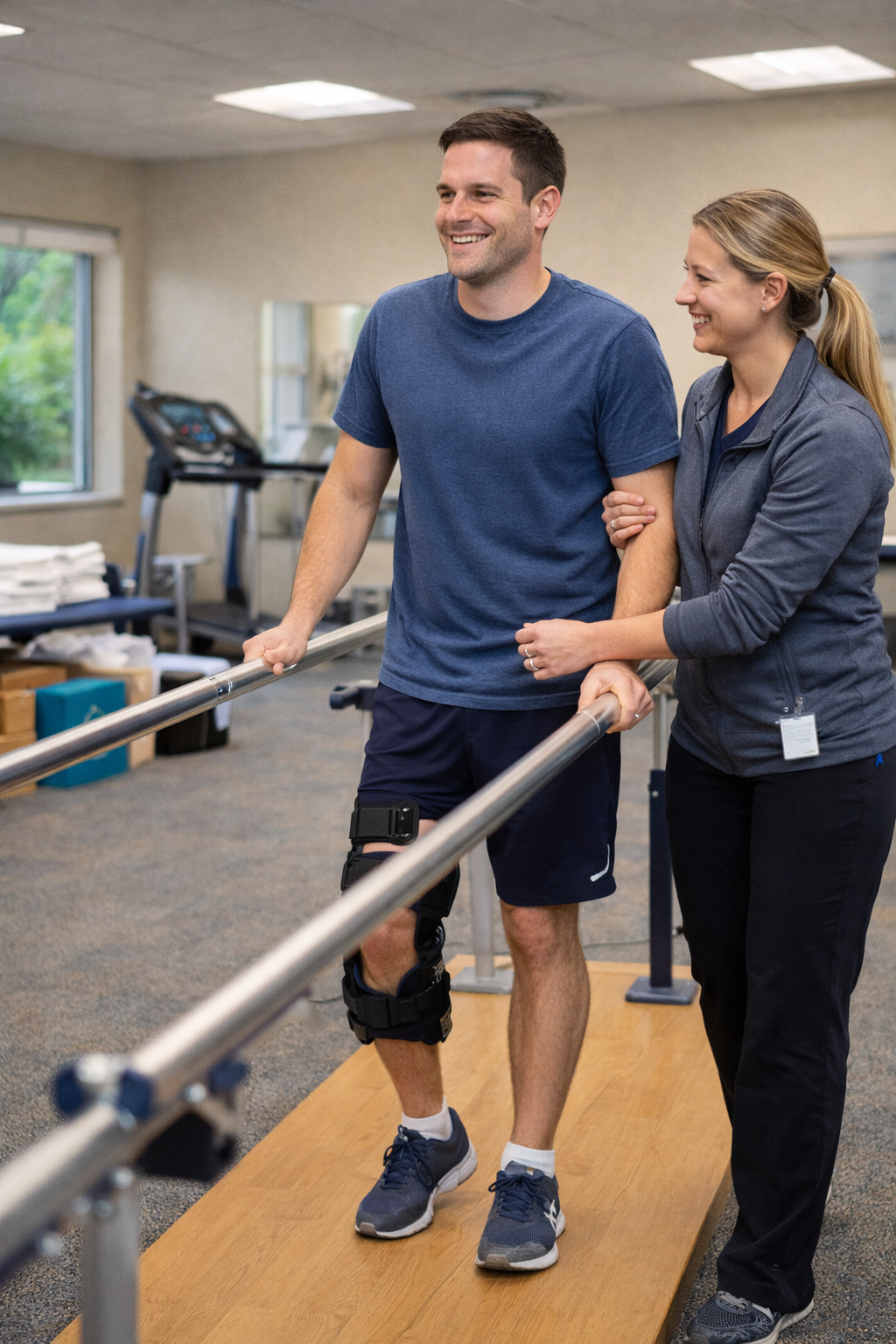
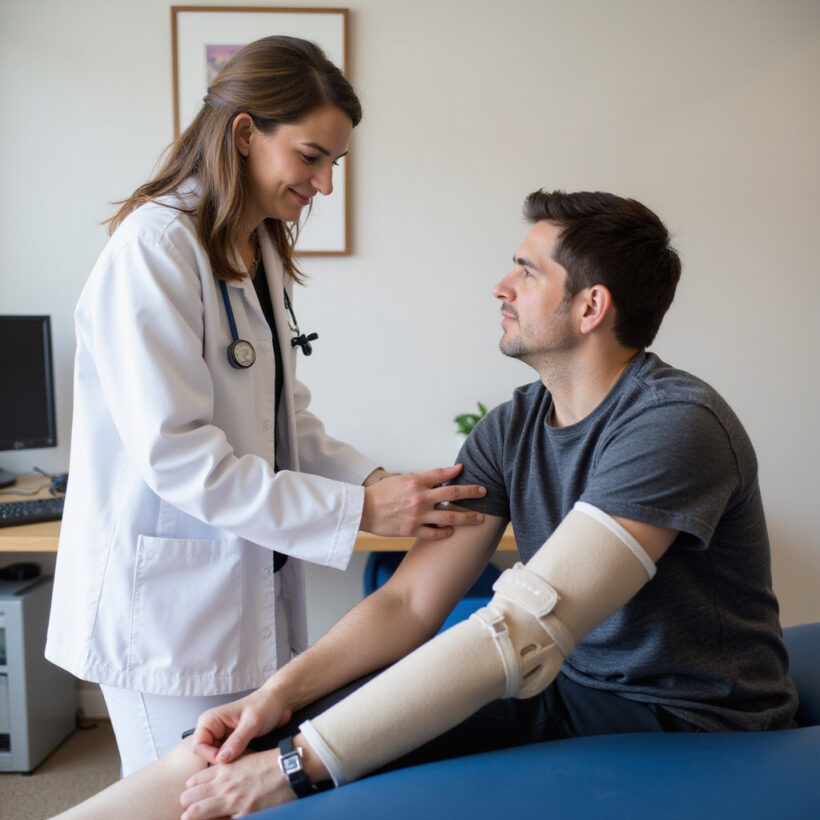
Our orthopedic specialists focus on precise surgical techniques and structured rehabilitation programs to support successful recovery. Physical therapy plays an important role in rebuilding strength, improving range of motion, and helping patients gradually return to their normal routines. With expert care and guided rehabilitation, many patients achieve strong, stable knee function and return to an active lifestyle.
Frequently Asked Questions
How long does LCL reconstruction surgery take?
The procedure typically takes about one to two hours depending on the injury.
How long does recovery take after LCL reconstruction?
Initial recovery may take several weeks, while full rehabilitation may take several months.
Do all LCL tears require surgery?
No. Many mild injuries improve with rest and physical therapy, while severe tears may require reconstruction.
What grafts are used for LCL reconstruction?
Surgeons may use tendon grafts from the patient or donor tissue depending on the injury.
When can patients return to sports after LCL reconstruction?
Return to sports depends on healing progress and rehabilitation, but many patients resume activity after several months with medical clearance.



 (562) 348-4588