Custom Orthotics for Foot and Joint Support
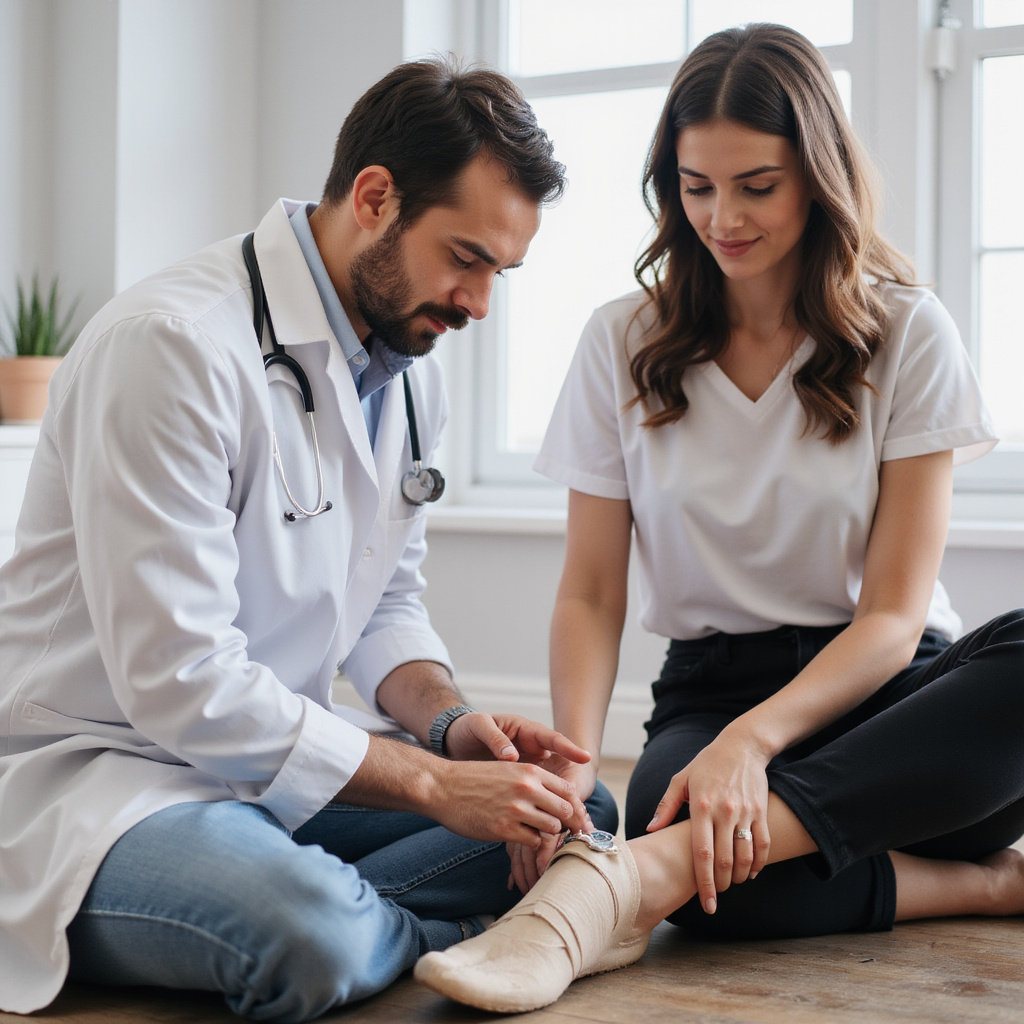
Custom orthotics are specially designed shoe inserts that support proper foot alignment, improve comfort, and reduce pain caused by musculoskeletal conditions. At Commons Clinic, our orthopedic specialists provide custom orthotics tailored to each patient’s unique foot structure and movement patterns. These personalized devices help relieve pressure on joints, improve stability, and support long term mobility.
Many patients experience foot, knee, hip, or lower back pain that begins with poor foot mechanics. Custom orthotics correct these imbalances and help the body move more efficiently. For athletes, active adults, and individuals managing chronic pain, orthotics can play an important role in both treatment and prevention.
What Are Custom Orthotics
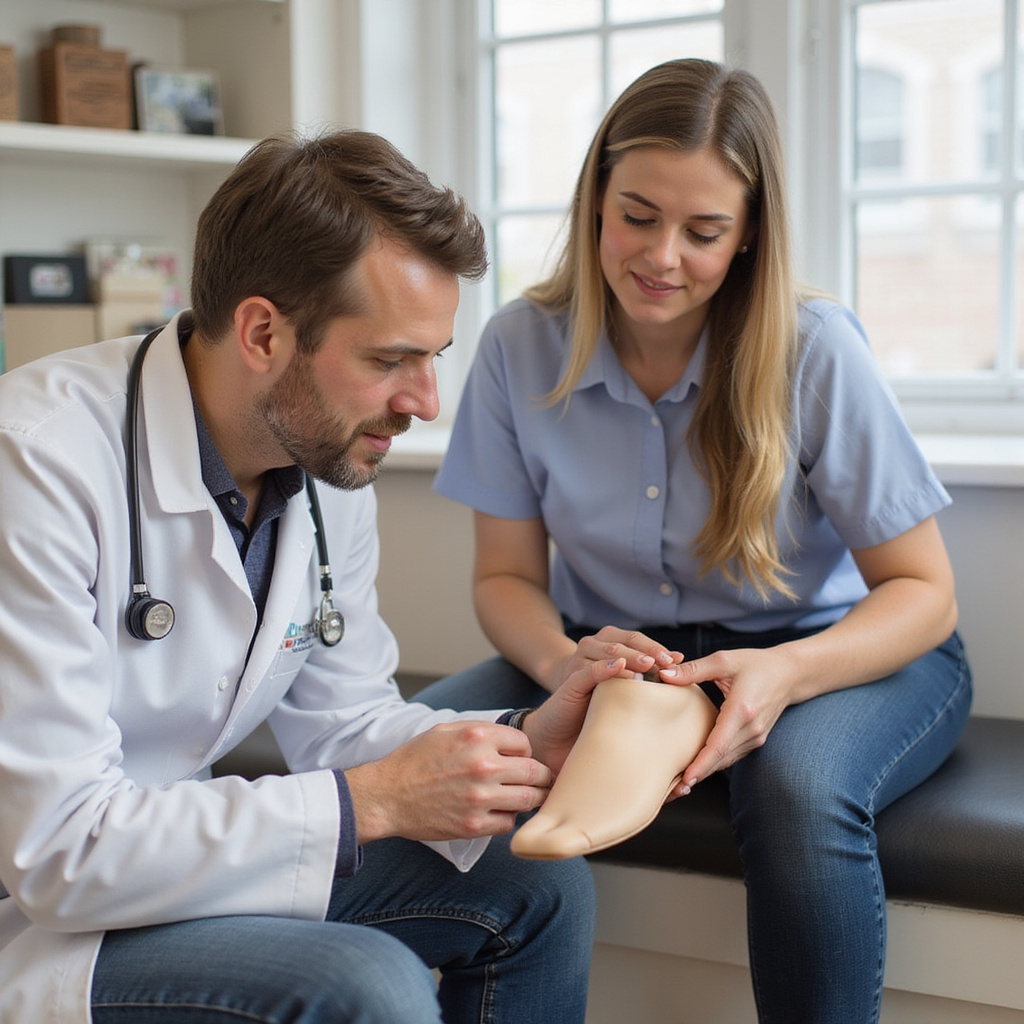
Custom orthotics are medical grade inserts designed specifically for your feet. Unlike over the counter shoe inserts, custom orthotics are created using detailed measurements, imaging, or digital scans of your foot structure.
These inserts are engineered to provide targeted support where your body needs it most. By improving foot alignment and distributing weight evenly, custom orthotics help reduce stress on joints and soft tissues throughout the body.
At Commons Clinic, orthopedic specialists carefully evaluate each patient’s gait, posture, and foot mechanics before recommending orthotic treatment.
Conditions Treated With Custom Orthotics
Custom orthotics can help relieve symptoms associated with a wide range of orthopedic conditions. By improving foot function, these devices often reduce strain on other parts of the body.
Plantar Fasciitis
Plantar fasciitis causes heel pain due to inflammation of the tissue that supports the arch of the foot. Custom orthotics help support the arch and reduce pressure on the heel.
Flat Feet or High Arches
Abnormal foot structure can cause instability and uneven pressure distribution. Orthotics provide the support needed to restore better alignment.
Knee, Hip, and Lower Back Pain
Poor foot mechanics can affect how the entire body moves. Correcting alignment with custom orthotics can relieve stress on joints higher up the body.
The Custom Orthotics Process
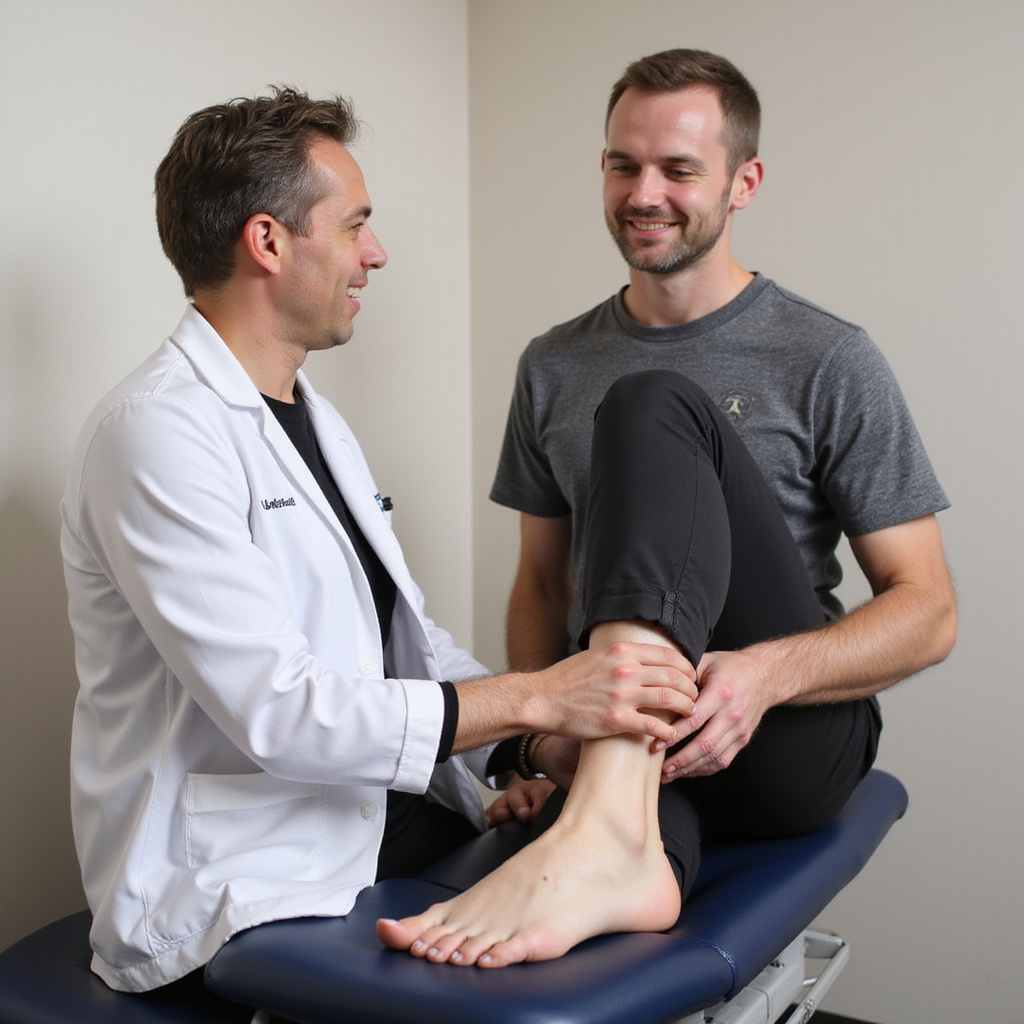
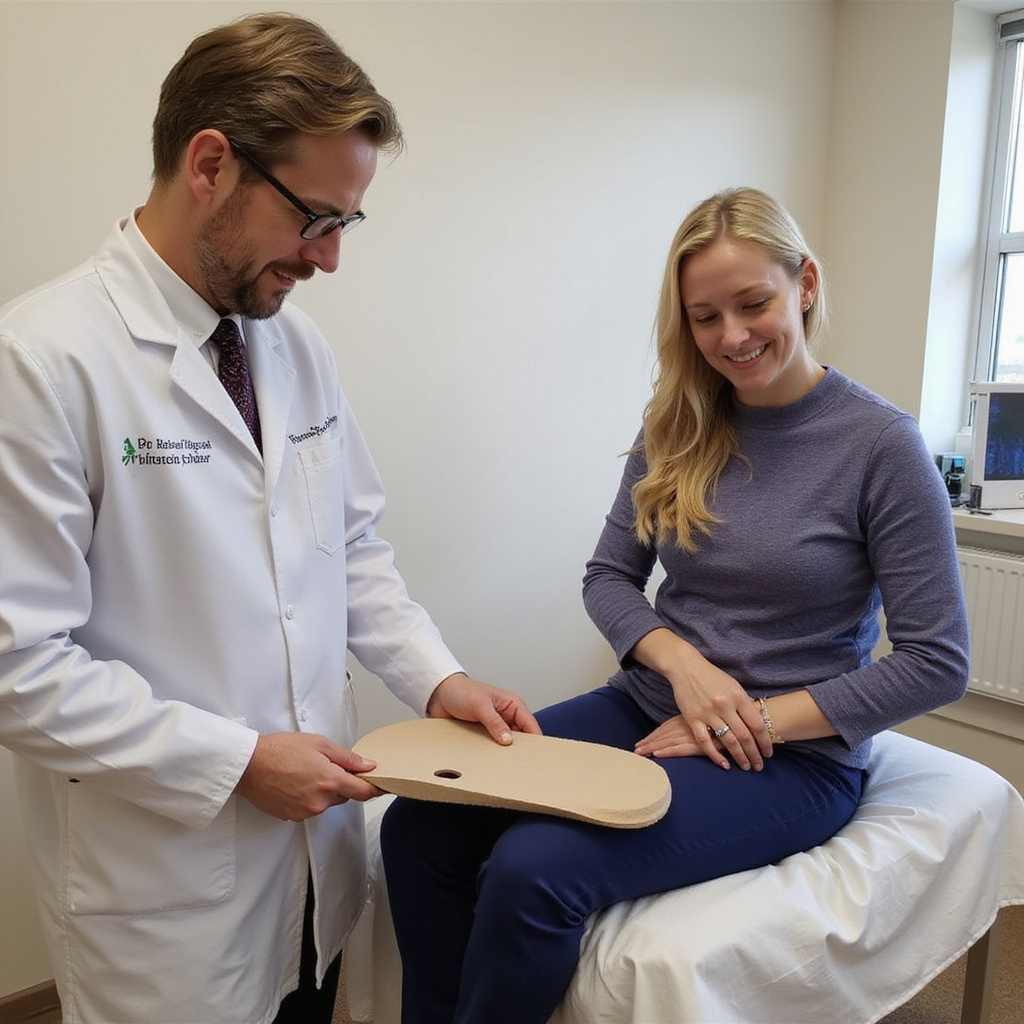
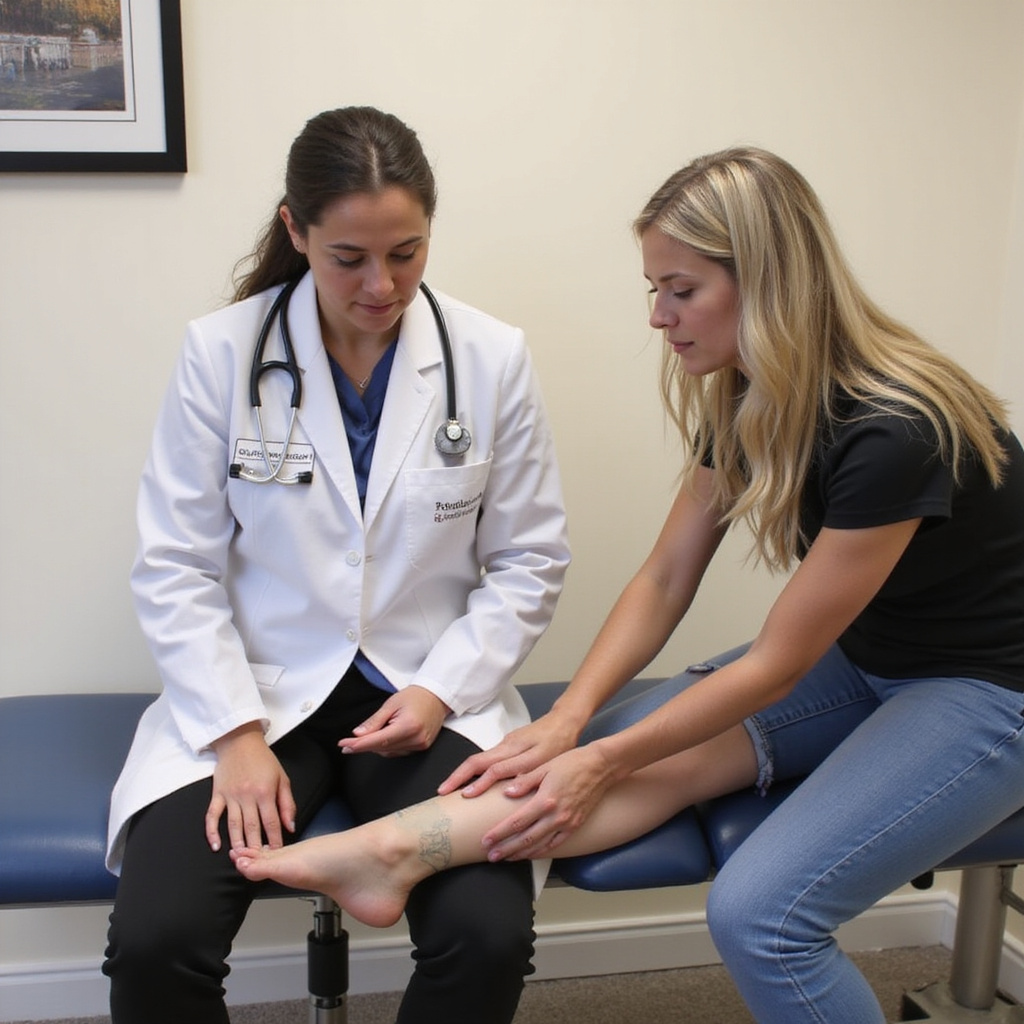
The process begins with a comprehensive orthopedic evaluation. Your physician examines your feet, gait, and posture to understand how your body moves during walking or running.
Next, precise measurements or digital scans are taken to capture the exact shape and mechanics of your feet. These measurements are used to design orthotics that match your individual needs.
Once the orthotics are created, your specialist ensures they fit properly and provides guidance on how to gradually incorporate them into your daily routine.
Benefits of Custom Orthotics
Custom orthotics provide several advantages compared with generic shoe inserts. Because they are designed specifically for your body, they deliver targeted support and improved comfort.
Patients often experience reduced foot pain, improved balance, and better posture. For athletes and active individuals, orthotics may also help prevent injury by stabilizing the foot and reducing strain on muscles and joints.
Over time, custom orthotics can contribute to improved mobility and long term joint health.
Why Choose Commons Clinic
Commons Clinic offers specialized orthopedic care supported by advanced diagnostic tools and experienced physicians. Our team focuses on identifying the root cause of pain rather than simply treating symptoms.
We create personalized treatment plans designed to restore movement, improve comfort, and support long term health. Patients appreciate our streamlined care experience and commitment to high quality medical care.
If foot pain or joint discomfort is affecting your daily life, custom orthotics may provide the support you need to move comfortably again.
Frequently Asked Questions
How are custom orthotics different from store bought inserts?
Custom orthotics are designed specifically for your foot structure, while store bought inserts are generic and provide limited support.
How long do custom orthotics last?
Most custom orthotics last several years depending on usage, activity level, and the materials used.
Will orthotics fit in all types of shoes?
Many orthotics are designed to fit in common shoe styles such as athletic shoes, work shoes, and casual footwear.
Do custom orthotics require a break in period?
Yes. Patients are typically advised to wear them gradually until the feet adjust to the new support.
Can orthotics help prevent injuries?
Yes. By improving foot alignment and stability, orthotics can reduce stress on muscles and joints, helping prevent certain injuries.
Custom Orthotics: Personalized Foot Support for Lasting Pain Relief
Custom orthotics are medical grade devices tailored to your foot shape, gait, and lifestyle. They correct overpronation, support flat feet and plantar fasciitis, and reduce knee and back pain. Our foot specialists design custom fit orthotics for your real shoes so you move comfortably again.
What Are Custom Orthotics and How Do They Work for Pain Relief?
Custom orthotics are medical grade shoe inserts designed around your exact foot shape, gait, and lifestyle. Instead of a generic cushion, these devices are prescription custom supports that correct alignment, control overpronation or supination, and improve how your feet and ankles move with every step.
When your arches, heels, and forefoot are supported in the right places, pressure spreads more evenly. That reduces strain on the plantar fascia, tendons, joints, and even your knees, hips, and back. Many patients with flat feet, high arches, or chronic foot pain notice less discomfort and better day comfort once they start wearing custom foot orthotics consistently.
Modern custom fit orthotics are made using advanced technology such as 3D scanner gait analysis, digital impressions, or plaster casting. Your podiatrist or foot specialist uses this data to design bespoke orthotics that match your foot contours, footwear, and activities, whether you are on your feet all day at work, running, or recovering from injury.
If you are tired of rotating through brands of shoe insoles and inserts that only help for a few weeks, custom orthotic insoles may give you longer lasting pain relief and better stability. To see how customized orthotics could work for your specific foot problems, schedule an evaluation with our foot and ankle specialists today.
Custom Orthotics vs Over the Counter Insoles: What Is the Difference?
Over the counter insoles and shoe inserts are mass produced. They offer basic cushioning or arch support, but they are not designed around your unique foot shape, walking pattern, or medical history.
Custom orthotics are prescription devices made from an impression or 3D scan of your feet. Orthotics customized to you can correct overpronation, support flat feet or high arches, and guide your gait so your ankles, knees, and hips stay in better alignment. That is why medical professionals often recommend custom medical orthotics for persistent foot pain, plantar fasciitis, or knee pain that has not improved with store bought insoles.
Custom inserts also use more durable materials that hold their shape under daily wear. They can be tailored for work boots, athletic shoes, or dress shoes, and adjusted over time if your symptoms or activity level change. If you have been stacking different gel insoles and still feel discomfort, it may be time to move beyond temporary fixes.
If you are unsure whether you need custom shoe inserts or if an over the counter option is enough, book a consultation. A foot specialist can examine your biomechanics and guide you to the most cost effective, long term solution.
Key Components of Prescription Custom Orthotics and How They Support Your Feet
Prescription custom orthotics combine several key components to provide support, stability, and shock absorption tailored to your needs.
The shell is the main body of the device. It is usually made from a rigid material such as polypropylene or a semi rigid composite. This shell controls motion, limits overpronation, and helps correct alignment from your feet through your ankles, knees, and hips. The shape of the shell follows your exact arch contours, whether you have flat feet, low arches, or high arches.
On top of the shell, cushioned top covers and heel pads add comfort and shock absorbing protection. Materials that are lightweight, breathable, and sometimes vegan leather or neoprene help reduce friction, calluses, and foot fatigue. For conditions such as metatarsalgia or Morton’s neuroma, metatarsal pads can be built in to offload pressure from sensitive areas.
Some custom orthotic inserts also include specialized posting under the heel or forefoot to fine tune your gait and balance. These small adjustments can make a big difference in joint pain and day comfort. If you want orthotic support that is actually made for your feet and your lifestyle, schedule a custom orthotics assessment and see how a tailored design could change the way you walk.
Conditions Custom Orthotics Can Help Treat and Prevent
Custom orthotics can support a wide range of foot and lower body issues by improving how force moves through your body. They are often recommended for plantar fasciitis, flat feet, high arches, overpronation, metatarsalgia, bunions, hammer toes, and tendon strain.
They can also help reduce symptoms that show up above the feet. Many people are surprised to learn that knee pain, hip discomfort, and lower back pain may all be linked to poor foot mechanics. When custom orthotics improve alignment and stability, they can reduce the chain reaction of stress that travels upward through the body.
Foot, Ankle, Knee, Hip, and Back Issues Commonly Supported With Custom Orthotics
Foot mechanics affect more than just your feet. If your arches collapse or your feet roll inward too much, your ankles, knees, hips, and lower back all have to compensate. That compensation often leads to pain, fatigue, and poor movement patterns.
Custom orthotics can support conditions such as plantar fasciitis, Achilles tendon strain, posterior tibial tendon dysfunction, shin splints, patellar tracking problems, hip strain, and lower back discomfort. By improving foot position and shock absorption, they help reduce abnormal stress across the entire kinetic chain.
When Custom Orthotics Are Not Enough on Their Own
Custom orthotics can be powerful, but they are not the answer to every problem by themselves. Some patients also need physical therapy, footwear changes, activity modification, injections, or other orthopedic care.
If you have significant arthritis, advanced deformity, nerve symptoms, or persistent pain that does not improve, your specialist may recommend a broader treatment plan. The right goal is not just to add support, but to fully understand why your pain is happening and what combination of treatments will give you the best long term outcome.
Who Is a Good Candidate for Custom Orthotics?
You may be a good candidate for custom orthotics if foot pain or joint pain is starting to control your day. If you avoid walks, cut workouts short, or change shoes constantly just to get through work, your feet are sending a clear message. Custom foot orthotics are medical grade devices designed to match your exact foot shape, gait, and lifestyle, not a generic insert that flattens out after a few weeks.
People with flat feet, low arches, high arches, plantar fasciitis, bunions, metatarsalgia, hammer toes, or arthritis often benefit from custom fit orthotics because they correct alignment from the ground up. That can reduce knee pain, hip strain, and even back pain caused by overpronation or supination. Many patients tell our foot specialists they feel more stable and less fatigued within days of wearing them.
If you are unsure whether you need bespoke orthotics or over the counter shoe insoles and inserts, a short clinical gait and biomechanics assessment can show how your feet and ankles move with every step. You will leave with clear answers, not guesswork or trial and error purchases.
If you are tired of rotating through brands of insoles and inserts that never quite work, schedule an orthopedic or podiatrist visit today and see how personalized orthotics can change your day to day comfort and long term foot health.
Signs Your Foot or Joint Pain May Benefit From Custom Orthotics
If you feel sharp heel pain with your first steps in the morning, burning under the ball of the foot, or aching arches after standing, custom orthotics may help. These devices are designed to provide support, shock absorption, and better balance so your feet do not have to fight your shoes all day. Many patients with plantar fasciitis, flat feet, or high arches notice that pain relief starts once pressure is spread more evenly across the sole.
Watch for pain that travels. Foot problems often show up as knee pain, hip discomfort, or low back pain after walking or running. Overpronation or a low arch can twist the leg inward, while a rigid high arch can overload the outside of the foot. Custom orthotic inserts and custom insoles can correct alignment and reduce that chain reaction through your joints.
If you are wearing insoles already and still feel uncomfortable, you may need prescription custom orthotics made from better materials that match your foot shape and gait. A short visit with a podiatrist or orthopedic foot specialist can guide you on whether custom made orthotics or other treatments are needed.
If these symptoms sound familiar, do not wait for them to become constant. Book a foot and ankle evaluation today and find out if tailored orthotics, custom orthotic insoles, or other customized orthotics are the right next step for lasting pain relief and all day comfort.
Red Flag Symptoms That Require Prompt Orthopedic Assessment
Some symptoms deserve faster evaluation. If you have severe swelling, sudden inability to bear weight, numbness, rapidly worsening deformity, unexplained bruising, or pain that wakes you at night, do not assume orthotics alone will fix it.
These signs may point to a fracture, tendon tear, nerve problem, or inflammatory condition that needs medical attention right away. In those cases, your provider may use imaging and a full orthopedic exam before deciding whether custom orthotics belong in your plan.
Custom Orthotics for Athletes and Active Adults
Athletes and active adults often place repetitive stress on their feet, ankles, and lower body. Even minor misalignment can build into overuse injuries over time. Custom orthotics can improve movement efficiency, reduce fatigue, and help distribute pressure more evenly during training and competition.
They are commonly used by runners, hikers, court sport athletes, and workers who spend long hours standing. When orthotics are tailored to the demands of your sport and footwear, they can support performance as well as pain relief.
How Custom Orthotics Support Sports Performance and Reduce Overuse Injuries
Custom orthotics can reduce repetitive strain by improving how your foot contacts the ground. Better alignment helps control overpronation, stabilizes the heel, and reduces excessive load on tendons and joints.
That support can help with plantar fasciitis, shin splints, Achilles irritation, forefoot pain, and knee stress related to training. For active adults, the goal is not just to feel better after activity, but to move better during it.
Custom Orthotics for Older Adults and Arthritis Related Foot Pain
Older adults often deal with a combination of arthritis, reduced cushioning, balance changes, and foot shape changes over time. Custom orthotics can help reduce painful pressure points while improving support and confidence with walking.
They may also make everyday activities more comfortable by reducing stress on stiff joints and improving shoe fit. When designed carefully, orthotics can help protect both comfort and mobility.
Balancing Stability, Cushioning, and Fall Prevention With Custom Orthotics
For older adults, the right orthotic should not feel overly rigid or bulky. It needs to provide enough support to improve alignment, but enough cushioning to reduce pain from arthritis or thinning soft tissue.
A well designed device can improve contact with the ground, reduce instability, and support safer movement at home and outside. That balance matters not only for pain relief, but also for fall prevention and day to day confidence.
Our Custom Orthotics Evaluation and Fitting Process
You are not just getting shoe inserts. Our custom orthotics process is a medical evaluation designed to reduce foot pain, protect your joints, and keep you moving with confidence. Every pair of custom foot orthotics is prescribed and overseen by experienced foot specialists who focus on biomechanics, not just cushioning.
We start by listening. You will talk through your symptoms such as heel pain, arch pain, knee pain, back pain, flat feet, overpronation, or sports injuries, and how they affect your work, running, or daily life. Then we match the right type of custom fit orthotics, materials, and design to your goals such as pain relief, stability, or performance.
Using advanced technology such as 3D scanner systems and gait analysis, we capture the exact contours of your feet and walking pattern. That data guides the prescription for your custom orthotic inserts, from rigid orthotics for maximum stability to cushioned, shock absorbing designs for all day comfort.
Every pair of bespoke orthotics is manufactured to your measurements, footwear, and activity level, not pulled from a shelf. Many patients feel a clear difference in comfort and balance within days of wearing them.
If you are tired of one size insoles that do not last, schedule your custom orthotics evaluation today and see how medical grade, personalized orthotics can change the way you stand, walk, and run.
Step by Step: What Happens During Your Custom Orthotics Visit
Your visit is structured, calm, and focused on answers. You will meet with a podiatrist or orthopedic professional who specializes in custom made orthotics and foot biomechanics.
We start with a detailed history, including where your foot pain shows up, how long it lasts, what shoes you wear, and whether you have tried over the counter shoe insoles or custom insoles online. Then we move into a hands on exam and gait assessment to see how your feet, ankles, knees, and hips work together when you walk.
You will have time to ask questions about cost, how long custom orthotics last, how to wear them, and what kind of results to expect. Before you leave, you will know exactly which type of custom orthotic insoles we recommend, how they will be made, and when you can pick them up.
If you are ready for clear answers instead of guessing which insert to purchase next, book your custom orthotics visit now and get a professional, step by step plan for pain relief.
Orthopedic Examination, Gait Analysis, and Imaging When Needed
During the orthopedic examination, your clinician checks your arches, joints, and soft tissues for tenderness, deformities, and restricted motion. Flat feet, high arches, bunions, hammer toes, metatarsalgia, plantar fasciitis, and arthritis all show up clearly in this part of the visit.
Next comes gait analysis. You will walk so we can study your walking pattern, pronation, and any overpronation or supination that may be driving your symptoms. This helps us see how your feet and ankles absorb shock and how that affects your knees, hips, and back.
When needed, we use imaging such as X rays to show joint alignment, osteoarthritis, or stress related changes that might not be obvious from the outside. These clinical findings guide the prescription for your custom medical orthotics so they do more than cushion. They correct alignment and improve foot function.
3D Scanning, Casting, and Precise Measurements for Your Custom Orthotics
After the exam, we capture the exact shape of your feet using digital scanning, casting, or other measurement techniques. This step is essential because a true custom orthotic must reflect the structure of your foot, not just the size of your shoe.
These measurements help determine arch height, heel contour, pressure distribution, and how the orthotic should fit inside your specific footwear. Precision at this stage improves both comfort and long term effectiveness.
How We Tailor Custom Orthotics to Your Lifestyle, Footwear, and Activity Level
Not everyone needs the same type of orthotic. Someone who stands all day in work boots needs something different from a runner, a golfer, or a person who mostly wears dress shoes. That is why we tailor each orthotic to how you actually live.
We consider your work demands, exercise habits, shoe style, and comfort preferences before finalizing your device. The goal is to create orthotics you will actually wear and benefit from consistently.
Custom Orthotics Options for Work, Sports, and Daily Wear
We can tailor custom orthotics for work shoes, athletic shoes, dress shoes, and casual daily wear. Some designs focus on motion control and durability, while others prioritize cushioning, flexibility, or lower profile fit.
Matching the orthotic to your real footwear increases the chance that you will wear it regularly and get better results over time.
Benefits of Custom Orthotics for Joint, Spine, and Sports Related Pain
If joint, spine, or sports related pain is starting to control your day, custom orthotics can quietly change how your whole body feels. These medical grade devices do far more than cushion your feet. Custom foot orthotics are designed from your exact foot shape, gait, and activity level to correct alignment, improve stability, and reduce stress on painful joints.
When your arches collapse or you overpronate, your ankles roll inward, your knees twist, and your hips and lower back absorb extra force with every step. Personalized orthotics support the arches, guide your walking pattern, and provide shock absorption so your knees, hips, and spine do less bracing work. Many patients with knee pain, back pain, plantar fasciitis, flat feet, or arthritis notice steadier balance and longer day comfort within weeks of wearing them.
For athletes and active adults, bespoke orthotics and custom insoles can reduce foot fatigue, protect against overuse injuries, and help you return to running, hiking, or work boots without constant discomfort. Our foot specialists use advanced biomechanics and 3D scanner technology to design orthotics customized to your lifestyle, whether you live in athletic shoes or dress shoes.
You do not have to guess which shoe inserts or brands might help. Get a professional assessment and see how custom fit orthotics can support your joints and spine. Schedule a visit today to talk with a podiatrist or orthopedic specialist about whether custom orthotics are right for your pain.
How Custom Orthotics Improve Alignment and Reduce Stress on Joints
Custom orthotics work by correcting alignment from the ground up. When your foot is supported in the right position, your ankles, knees, hips, and spine stack more naturally, which reduces abnormal twisting and joint stress. Instead of fighting overpronation or supination with every step, your body can move in a more efficient, pain relieving pattern.
During your visit, a medical professional studies your gait, foot function, and foot problems such as flat feet, high arches, bunions, or tendonitis. Using casting, scanning, or impressions, we create custom made orthotics that match your contours and distribute pressure evenly. These devices provide targeted arch support, heel cushioning, and shock absorption so each step feels more stable and less jarring on your joints.
Patients often report less knee pain, fewer flare ups of back pain, and better balance once they start wearing them consistently. For many, custom orthotic inserts feel more comfortable than over the counter shoe insoles and inserts because they are prescription custom devices built for your exact foot shape and lifestyle.
If you are tired of rotating through generic shoe inserts that do not work, it may be time for custom medical orthotics. Book an evaluation today and let a specialist guide you toward custom orthotic insoles that can reduce joint stress and help you move with more confidence.
Impact of Foot Mechanics on Knees, Hips, and Lower Back
Your feet are the foundation of your movement. If they do not absorb force or align properly, the joints above them have to compensate. Over time, that compensation can increase stress on the knees, hips, and lumbar spine.
That is why correcting foot mechanics often helps pain far above the foot itself. For many people, the right orthotic changes not only foot comfort, but also how the entire body handles daily movement.
Custom Orthotics as Part of a Comprehensive Non Surgical Treatment Plan
Custom orthotics often work best as part of a bigger plan. Depending on your condition, that plan may also include physical therapy, footwear changes, stretching, strengthening, medication, or activity modification.
The goal is to reduce pain while improving long term mechanics and function. Orthotics can be one of the most practical tools in that process because they support you every time you stand or walk.
Combining Custom Orthotics With Physical Therapy and Pain Management
Orthotics can make physical therapy more effective by improving alignment and reducing strain during movement. That allows exercises to target the right muscles and patterns without repeatedly aggravating the same structures.
In some cases, your provider may also recommend pain management strategies while the orthotics begin doing their job. Together, these treatments can improve comfort faster than relying on any one approach alone.
When Custom Orthotics Can Help Delay or Complement Surgery
Custom orthotics cannot fix every structural problem, but they can sometimes delay surgery by improving mechanics and reducing pain enough to keep you active. They may also be useful after surgery to protect alignment and reduce stress during recovery.
If surgery is part of your future, orthotics can still play an important supportive role before and after the procedure.
Custom Orthotics Cost, Insurance Coverage, and Long Term Care
How Much Do Custom Orthotics Cost and What Affects the Price?
Custom orthotics are true medical devices, not just fancy shoe inserts. Custom foot orthotics are prescribed by a podiatrist or other medical professionals and made from a precise mold, plaster cast, or 3D scanner impression of your feet. In many clinics, a pair of custom orthotics or bespoke orthotics ranges from about 300 to 800 dollars, depending on the design and materials that are used.
Your cost depends on several factors. These include the type of device, rigid orthotics for maximum stability versus cushioned accommodative orthotics, the materials that are chosen such as polypropylene, gel, shock absorbing foams, vegan leather, neoprene, or suede, and whether you need specialized orthotics designed for diabetes, arthritis, flat feet, plantar fasciitis, metatarsalgia, or sports and running performance. Custom fit orthotics for work shoes or athletic shoes may be built differently than custom shoe inserts for dress shoes or women’s styles.
You are paying for a complete clinical process. That includes biomechanical exam, gait analysis, casting or scanning, prescription design, manufacturing of custom made devices, fitting, and follow up adjustments to work with your walking pattern. That is the difference between custom medical orthotics and over the counter insoles and inserts that are purchased off the shelf.
If foot pain, arch pain, knee pain, or back pain is limiting your day comfort, do not wait. Schedule an appointment to review prices, see how much is covered, and learn why custom orthotics and personalized orthotics can provide support, correct alignment, and long term pain relief.
Insurance Coverage, FSA, and HSA Options for Custom Orthotics
Many patients delay custom orthotic inserts because they assume they are too expensive, only to learn later that a large portion could have been covered. Coverage for custom orthotics varies by plan, but many companies treat them as prescription custom orthoses when ordered by podiatrists or ankle foot specialists for diagnosed foot problems such as plantar fasciitis, flat feet, overpronation, supination, metatarsalgia, or arthritis.
Your plan may cover part or all of the device cost after a copay or deductible. Some policies limit how often customized orthotic devices can be replaced or require preauthorization. Our professionals check benefits for you so there are no surprise bills.
If your insurance does not pay, you can usually use a flexible spending account or health savings account. Custom insoles, custom orthotic insoles, and other customized orthotics are typically eligible FSA and HSA purchases, and many patients pay with an FSA debit card. That can turn a single purchase into pretax payments spread across the year.
If you are unsure how your plan handles custom made orthotics, bring your insurance card and any FSA or HSA details to your visit. Our staff will verify your coverage, explain costs, and guide you through payment options before you commit to treatment.
How Long Custom Orthotics Last and When to Replace Them
Most custom orthotics last several years, but lifespan depends on the materials, how often you wear them, your body weight, and the demands you place on them. A pair used every day in work boots may wear differently than a pair used only in running shoes a few times a week.
If the orthotics lose their shape, feel less supportive, or you notice pain returning, it may be time for an adjustment or replacement. Children and teens may also need more frequent updates because their feet are still growing.
Caring for Your Custom Orthotics and Monitoring Fit Over Time
Proper care helps your orthotics last longer. Keep them clean, let them air out, and avoid exposing them to excessive heat that can warp materials. Rotate them between shoes only if your provider says the fit and design support that use.
You should also check in if your shoes change, your activity level shifts, or your symptoms return. Long term success often depends on small adjustments over time, not just the initial fitting.
Why Choose Commons Clinic for Custom Orthotics and Orthopedic Care
You are not just looking for shoe inserts. You want real relief from foot pain, knee pain, or back pain that affects work, workouts, and sleep. Commons Clinic focuses on custom orthotics and orthopedic care that change how your feet and ankles move, not just how they feel.
Your care is led by foot specialists and orthopedic professionals who study gait, biomechanics, and overpronation every day. Using medical grade technology like 3D scanner assessments and pressure mapping, they design custom foot orthotics, bespoke orthotics, and personalized orthotics that match your exact foot shape, arches, and walking pattern. Your custom fit orthotics are custom made for you, never pulled from a shelf.
You get more than custom insoles or generic shoe insoles. Your team evaluates how your ankles, knees, hips, and spine work together so your tailored orthotics help correct alignment, improve stability, and reduce joint pain, not just cushion sore spots. Many patients report less plantar fasciitis pain, fewer metatarsalgia flare ups, and better day comfort within weeks of wearing them.
If you are tired of over the counter shoe inserts and orthotics online that overpromise, Commons Clinic offers research driven, prescription custom orthotics with clear prices and no surprise costs. You will understand the process, materials, and how long it should take to feel pain relief.
Ready to see how specialized orthotics and custom orthotic insoles can support your lifestyle, from work boots to athletic shoes and dress shoes? Schedule a custom orthotics consultation today and take the next step toward lasting pain relief.
Fellowship Trained Specialists and Evidence Based Custom Orthotics Treatment
At Commons Clinic, your care is guided by specialists who understand how foot mechanics affect the entire body. That expertise matters when you are dealing with complex pain patterns or have already tried generic inserts without success.
Our approach is evidence based and focused on outcomes, not quick fixes. Every orthotic recommendation is built around your diagnosis, goals, and how you actually move.
Integrated Diagnostics, Imaging, and Rehabilitation Under One Roof
Because orthotics are part of orthopedic care, not a separate retail service, you have access to broader evaluation and treatment when needed. That includes imaging, specialist assessment, rehabilitation planning, and follow up support in one setting.
This integrated model helps catch issues that simple insole sales often miss and gives you a more complete path to lasting relief.
What to Expect When You Schedule a Custom Orthotics Consultation
When you schedule a consultation, expect a focused visit centered on your symptoms, movement, footwear, and goals. We review what you have tried, examine how your feet function, and explain whether custom orthotics are likely to help.
You should leave with a clear plan, including next steps, expected timing, and honest guidance about whether orthotics alone are enough.
Preparing for Your Visit and Questions to Ask About Custom Orthotics
Bring the shoes you wear most often, a list of your symptoms, and any questions about cost, insurance, wear time, and expected results. It also helps to share what inserts or treatments you have already tried.
The better we understand your daily demands, the better we can tailor a solution that fits your life and supports long term comfort.
bespoke orthotics bespoke orthotics bespoke orthotics bespoke orthotics orthotics orthotics orthotics bespoke orthotics orthotics bespoke orthotics bespoke orthotics metatarsalgia bespoke orthotics bespoke orthotics bespoke orthotics metatarsalgia foot specialists shock absorption podiatrist orthotics adhesive bespoke orthotics bespoke orthotics bespoke orthotics podiatrist bespoke orthotics bespoke orthotics orthotic bespoke orthotics bespoke orthotics orthotic bespoke orthotics bespoke orthotics orthotic shoe inserts orthotic bespoke orthotics orthotics bespoke orthotics orthotic plantar fasciitis bespoke orthotics bespoke orthotics bespoke orthotics plantar fasciitis orthotics orthotics orthotics custom insoles bespoke orthotics bespoke orthotics orthotic arthritis flat feet bespoke orthotics orthotics orthotics orthotics orthotics orthotics bespoke orthotics overpronation orthotic bespoke orthotics bespoke orthotics bunions bespoke orthotics bespoke orthotics back pain orthotics flat feet bespoke orthotics flat feet orthotics bespoke orthotics orthotics bespoke orthotics vegan leather bespoke orthotics bespoke orthotics bespoke orthotics orthotic orthotic bespoke orthotics orthotic adhesive bespoke orthotics orthotics shoe inserts bespoke orthotics gait orthotics orthotics orthotics shock absorption bespoke orthotics orthotics bespoke orthotics bespoke orthotics bespoke orthotics orthotics bespoke orthotics orthotics bespoke orthotics bespoke orthotics bespoke orthotics orthotic bespoke orthotics orthotics orthotic orthotic orthotics bespoke orthotics orthotics orthotics gait orthotics shoe insoles orthotics orthotics orthotic orthotics bespoke orthotics bespoke orthotics bespoke orthotics bunions orthotics custom arch supports orthotics flexible spending account orthotic orthotic custom insoles overpronation suede orthotic tendonitis orthotics bespoke orthotics orthotics custom fit orthotics bespoke orthotics hammer toes back pain bespoke orthotics bespoke orthotics bespoke orthotics bespoke orthotics podiatrist bespoke orthotics custom insoles orthotic orthotics bespoke orthotics bespoke orthotics orthotics bespoke orthotics bespoke orthotics bespoke orthotics flat feet bespoke orthotics orthotics orthotics bespoke orthotics bespoke orthotics overpronation