
Viscosupplementation Knee Treatment

Viscosupplementation knee treatment is a non surgical option designed to reduce knee pain and improve joint mobility for patients with osteoarthritis or joint degeneration. At Commons Clinic, our orthopedic specialists offer viscosupplementation injections to help restore lubrication in the knee joint, allowing patients to move more comfortably and remain active.
For many patients, knee pain develops gradually and begins to interfere with walking, exercise, or everyday activities. Viscosupplementation knee therapy can provide targeted relief by improving the cushioning within the joint.
What Is Viscosupplementation Knee Therapy
Viscosupplementation involves injecting hyaluronic acid into the knee joint. Hyaluronic acid is a naturally occurring substance that helps lubricate and cushion healthy joints. In people with osteoarthritis, the amount and quality of this fluid decreases, which leads to stiffness, pain, and reduced mobility.
By restoring lubrication inside the joint, viscosupplementation knee treatment can improve movement and reduce friction between the bones. This therapy supports smoother joint motion and can help delay more invasive treatments.
At Commons Clinic, injections are performed by experienced orthopedic specialists who carefully evaluate each patient’s condition before recommending treatment.


Who Can Benefit From Viscosupplementation Knee Treatment
Viscosupplementation knee injections are often recommended for patients with mild to moderate knee osteoarthritis who have not found sufficient relief from other conservative treatments.
Patients With Knee Osteoarthritist
Osteoarthritis is one of the most common causes of knee pain. Viscosupplementation can help reduce inflammation and improve joint lubrication, making movement easier.
Active Adults and Athletes
Athletes and physically active individuals often seek treatment to maintain mobility and continue participating in sports or exercise.
Patients Looking to Delay Surgery
Some individuals prefer to explore non surgical treatment options before considering procedures such as knee replacement surgery.
An orthopedic specialist will determine whether viscosupplementation knee therapy is appropriate based on symptoms, imaging results, and medical history.
What to Expect During the Procedure
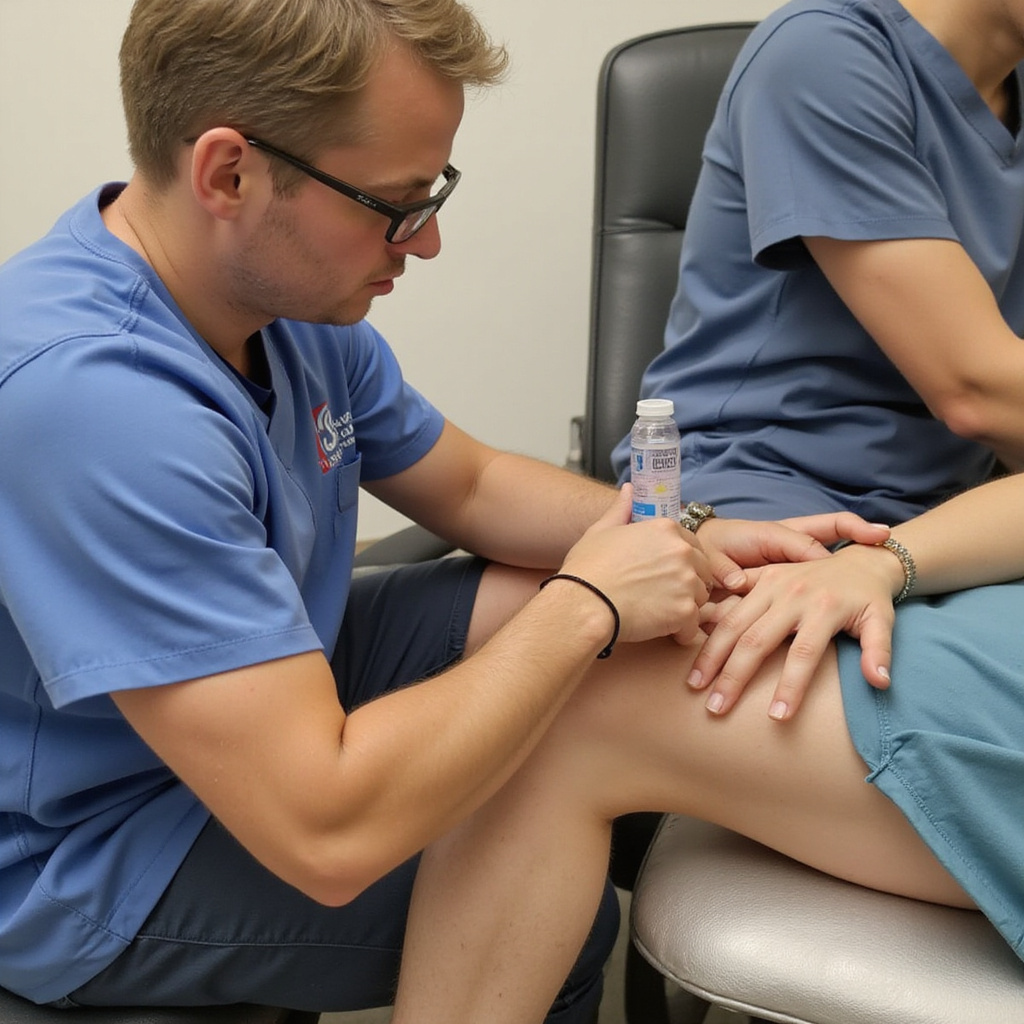
Viscosupplementation knee injections are typically performed in an outpatient setting. The procedure takes only a few minutes. Your physician cleans the area around the knee and uses a small needle to inject hyaluronic acid into the joint.
Some patients experience mild pressure during the injection, but discomfort is generally minimal. Many people begin noticing improvements in joint comfort and mobility within several weeks after treatment.
Commons Clinic specialists may use imaging guidance to ensure precise placement of the injection, helping maximize treatment effectiveness.

Benefits of Viscosupplementation Knee Therapy
This treatment provides several advantages for patients managing knee osteoarthritis. By restoring lubrication within the joint, viscosupplementation can help reduce stiffness, improve flexibility, and relieve pain during movement.
Many patients find that viscosupplementation knee injections allow them to remain active and maintain independence. In some cases, the treatment can delay the need for surgical intervention.
Why Choose Commons Clinic
Commons Clinic offers specialized orthopedic care supported by advanced diagnostic technology and experienced physicians. Our team focuses on delivering personalized treatment plans that address each patient’s specific condition and lifestyle goals.
Patients appreciate our streamlined care experience, expert consultation, and commitment to helping them regain comfort and mobility. If knee pain is affecting your daily life, viscosupplementation knee treatment may provide the relief you need.
Frequently Asked Questions
How long do viscosupplementation knee injections last
Pain relief may last several months depending on the patient and the severity of osteoarthritis.
Are viscosupplementation injections safe
Yes. When performed by trained specialists, the treatment is considered safe and well tolerated.
How soon will I notice improvement
Some patients feel relief within a few weeks as joint lubrication improves.
Can viscosupplementation replace knee surgery
It may delay or reduce the need for surgery in certain patients, but results vary depending on the condition.
How many injections are needed
The number of injections depends on the specific treatment plan recommended by your orthopedic specialist.
Viscosupplementation Knee Treatment: Hyaluronic Acid Injections for Joint Pain Relief
Viscosupplementation knee treatment uses hyaluronic acid gel injections into the joint to lubricate cartilage, reduce stiffness, and relieve knee pain from osteoarthritis. This minimally invasive procedure can improve function for up to 6 months, delay knee replacement, and offers strong evidence, safety, and insurance coverage for many patients.
What Is Viscosupplementation Knee Therapy and How Does It Work?
Understanding Hyaluronic Acid Knee Injections for Osteoarthritis
How Joint Fluid and Cartilage Are Affected in Knee Osteoarthritis
How Viscosupplementation Knee Injections Mimic Natural Joint Lubrication
What to Expect Inside the Knee Joint After a Hyaluronic Acid Injection
If knee osteoarthritis is turning simple things like walking the dog or climbing stairs into a daily battle, viscosupplementation knee therapy may help you regain mobility without jumping straight to knee replacement surgery.
Viscosupplementation for knee osteoarthritis is an injection therapy that places a smooth gel like substance called hyaluronic acid directly into the joint. This knee gel is a naturally occurring substance already found in healthy synovial fluid, where it acts as a lubricant and shock absorber. In an arthritic joint, that fluid becomes thinner and less protective, so every step can feel painful and stiff.
By injecting this gel into the joint space, knee viscosupplementation therapy aims to improve joint lubrication, reduce friction on worn cartilage, and support better function. Many patients report pain relief and improved range of motion that can last several months, especially when combined with conservative treatments such as physical therapy and weight management.
Every viscosupplementation injection knee procedure at a specialist clinic is guided and controlled to minimize risks and side effects. If you want to delay or avoid total knee replacement and prefer a nonsurgical treatment with a strong safety profile, viscosupplementation in knees may be the right treatment to discuss.
If knee pain is starting to control your schedule, schedule a consultation today to see whether viscosupplementation knee treatment fits your goals and medical history.
Understanding Hyaluronic Acid Knee Injections for Osteoarthritis
Hyaluronic acid injections, often called knee gel injections or gel shots, are designed for patients with symptomatic knee osteoarthritis who still have some joint space, but live with daily pain and stiffness. If you have tried acetaminophen, nonsteroidal anti inflammatory drugs, or cortisone shots and the relief does not last, viscosupplementation treatment may be the next step.
In a healthy knee joint, thick synovial fluid cushions the cartilage and lets the joint move smoothly. Osteoarthritis breaks down that cartilage and changes the fluid quality, so the joint loses its natural cushioning. Hyaluronic acid gel injections viscosupplementation aim to restore some of that lost viscoelastic function by adding a concentrated, purified form of this natural lubricant found inside your joint.
Different formulations exist, such as Durolane, Euflexxa, Orthovisc, Synvisc, Monovisc, Supartz, and other sodium hyaluronate preparations. Some are single dose injections. Others involve three injections given a week apart. Randomized controlled trials show that many patients with osteoarthritis knee pain report pain relief and better function for up to 6 months after treatment, with rare serious adverse events.
If you are wondering how long relief lasts, whether your insurance plans cover viscosupplements, or if you are eligible based on imaging and symptoms, a short visit with an orthopaedic surgeon or pain specialist can give you clear answers. Book an appointment today to review your options and see if hyaluronic acid injections are an effective treatment for your knee arthritis.
Who Is a Good Candidate for Viscosupplementation Knee Injections?
Knee Osteoarthritis Symptoms That May Benefit From Hyaluronic Acid Injections
When Viscosupplementation Is Considered Instead of or Before Knee Replacement
You may be a strong candidate for viscosupplementation knee injections if knee osteoarthritis pain is limiting your life, yet you want to avoid or delay knee replacement surgery. Many patients turn to knee viscosupplementation therapy after conservative treatments like NSAIDs, acetaminophen, physical therapy, bracing, or cortisone injections stop providing lasting relief.
Viscosupplementation for knee osteoarthritis involves injecting a hyaluronic acid gel into the joint using a fine needle. This minimally invasive procedure that involves injecting hyaluronan helps lubricate and cushion the arthritic joint, reducing pain, stiffness, and grinding while improving function and range of motion. Providers often recommend it for patients with mild to moderate degenerative joint disease who still have joint space and osteoarthritis cartilage visible on imaging.
You may be a good fit for a viscosupplement injection knee if you have chronic knee pain from osteoarthritis that limits daily function, want to delay or avoid total knee replacement, prefer a nonsurgical treatment option with a strong safety profile, and have no active infection, severe allergy, or major contraindications.
Knee viscosupplementation typically works best when conservative measures are no longer enough, but you are not ready for arthroplasty. A short visit with an orthopaedic surgeon who performs viscosupplementation injections can clarify expected outcomes, benefits, risks, side effects, and whether your insurance plans will cover this treatment.
By injecting a hyaluronic acid gel directly into the joint space, viscosupplementation treatment supplements the natural lubricant found in healthy synovial fluid. Many patients with symptomatic knee osteoarthritis report pain relief, improved joint function, and better WOMAC pain and function scores for up to 6 months after treatment, sometimes longer, according to randomized controlled trials and systematic reviews.
If knee pain is starting to control your schedule, mood, and mobility, schedule a consultation to see whether viscosupplementation in knees is the right treatment for knee pain and a way to stay active without surgery.
Viscosupplementation Knee Versus Other Knee Pain Treatments
Comparing Viscosupplementation Knee Injections With Cortisone Shots and PRP
How Long Pain Relief Lasts With Different Knee Injection Options
Where Physical Therapy, Bracing, and Medications Fit With Viscosupplementation
When knee pain keeps you from walking, sleeping, or exercising, every injection can sound the same. Yet cortisone, PRP, and viscosupplementation knee injections are very different procedures with different benefits and risks.
Cortisone shots are anti inflammatory. They can reduce pain quickly, often within days, but relief may fade in a few weeks to a couple of months. Repeated corticosteroid injections can irritate cartilage and joint tissues, so most orthopaedic surgeons limit how often they use them.
Viscosupplementation for knee osteoarthritis involves injecting a hyaluronic acid gel into the joint. This naturally occurring substance acts as a lubricant and shock absorber inside your joint, improving joint lubrication and function rather than simply numbing pain. The benefit of a viscosupplementation injection knee series builds gradually over several weeks after the procedure, with pain relief that can last 4 to 6 months in many patients with osteoarthritis knee pain. Randomized controlled trials and systematic reviews show mixed results, but when knee viscosupplementation works, patients often report smoother movement, less stiffness, and improved function without the same cartilage concerns seen with frequent steroids.
PRP injections use your own platelets to target inflammation and may support tissue healing in degenerative joint disease. PRP can help some patients with symptomatic knee arthritis, but insurance plans often do not cover it, it can be more expensive than viscosupplementation injections, and outcomes vary widely between formulations and clinics.
If you are trying to decide between cortisone, PRP, or a knee viscosupplement, you do not need to guess. Schedule a knee viscosupplementation therapy consult and get a clear, personalized plan from a healthcare provider who performs these joint injections every week.
Where Physical Therapy, Bracing, and Medications Fit With Viscosupplementation
Viscosupplementation treatment is usually part of a broader conservative plan, not a stand alone fix. Physical therapy strengthens muscles around the knee joint, improves range of motion, and reduces joint stiffness. When combined with a knee gel injection, many patients notice therapy feels less painful and more productive, which can extend clinical benefits.
Bracing can offload painful compartments and pairs well with viscosupplementation in knees by supporting the joint while the hyaluronic acid gel lubricates and cushions the joint using a natural lubricant found in synovial fluid.
Benefits of Viscosupplementation Knee Therapy for Joint Pain and Mobility
Pain Relief, Stiffness Reduction, and Improved Walking Tolerance
Can Viscosupplementation Delay or Reduce the Need for Knee Replacement Surgery?
If knee osteoarthritis makes every step a negotiation, viscosupplementation knee therapy can help you regain control. By injecting a hyaluronic acid gel directly into the joint, your orthopaedic specialist improves lubrication and natural cushioning over worn cartilage. Many patients report steadily reduced knee pain, less stiffness, and smoother range of motion after treatment.
Clinical trials and randomized controlled trials of viscosupplementation for knee osteoarthritis show meaningful improvement in pain and function scores such as WOMAC that can last up to 6 months, sometimes longer, depending on the formulation, dosage, and your activity level. Compared with cortisone, a viscosupplement injection knee series usually has a slower onset, but longer lasting symptom relief.
If you have already tried conservative treatments like NSAIDs, acetaminophen, physical therapy, or bracing, knee viscosupplementation therapy offers a nonsurgical treatment option that targets the affected joint directly. Most patients tolerate the injection procedure well, with low rates of adverse events at the injection site and a favorable safety profile in studies and systematic reviews.
If knee pain is starting to dictate your schedule, ask an orthopaedic specialist whether injection knee viscosupplementation could help you walk farther, stay active, and delay more invasive procedures. Schedule a consultation to see if you are a good candidate for knee gel injections.
Can Viscosupplementation Delay or Reduce the Need for Knee Replacement Surgery?
For many patients with knee osteoarthritis, viscosupplementation in knees can extend the nonsurgical window by improving joint lubrication, reducing pain, and supporting better function. Hyaluronic acid injections and other viscosupplements will not regrow cartilage, but evidence shows they can significantly reduce pain and improve knee function, sometimes delaying total knee replacement.
If you hope to avoid or delay knee replacement surgery, discuss knee viscosupplementation with a fellowship trained orthopaedic surgeon today.
Risks, Side Effects, and Safety of Viscosupplementation Knee Injections
Common Side Effects After Hyaluronic Acid Knee Injections
Serious Complications, Contraindications, and When to Avoid Viscosupplementation
Viscosupplementation knee injections are a low risk, minimally invasive procedure compared with knee arthroscopy or total knee replacement. This treatment uses a hyaluronic acid gel injection, a naturally occurring substance in synovial fluid, to lubricate and cushion the joint and improve joint function. Many patients with knee osteoarthritis report pain relief, better function, and lasting relief without major complications.
Every injection into the joint carries some risks. You may notice temporary stiffness, swelling, or soreness at the injection site after treatment. Rarely, patients experience infection, allergic reactions to hyaluronan, sodium hyaluronate, or hylan, or a pseudoseptic flare that feels painful, but is not a true infection. Large randomized controlled trials, meta analyses, and systematic reviews show a strong safety profile, but no procedure is completely risk free.
If you are comparing viscosupplementation for knee arthritis with cortisone shots, PRP injections, or surgery, you deserve clear guidance from an orthopaedic surgeon who performs these procedures regularly. A focused visit can clarify your personal risks, insurance coverage, and whether viscosupplementation treatment aligns with your goals.
Most people who receive knee gel injections experience only mild, short lived side effects. You may feel soreness, warmth, or swelling around the injection site for 24 to 72 hours. The joint can feel full or stiff because the gel has just been injected into the joint space. These reactions usually settle with ice, rest, and over the counter analgesics such as acetaminophen or nonsteroidal anti inflammatory drugs, if approved by your healthcare provider.
Some patients notice a temporary increase in knee pain before the benefits of knee viscosupplementation therapy build over several weeks. Symptom relief can last up to 6 months, depending on the formulation, such as Durolane, Euflexxa, Orthovisc, Synvisc, Monovisc, or Supartz.
How Viscosupplementation Knee Injections Are Performed at Commons Clinic
Step by Step Knee Injection Process and Visit Timeline
Imaging Guidance, Sterile Technique, and Pain Control During the Procedure
Why Image Guided Knee Injections Can Improve Accuracy and Outcomes
When you come to Commons Clinic for viscosupplementation knee treatment, you are never rushed through a generic protocol. Your visit starts with a focused conversation about your knee pain, prior therapies, and goals, followed by a targeted exam and review of any imaging or studies. Your orthopedic specialist confirms that viscosupplementation for knee osteoarthritis is the right treatment option for you, not a replacement for needed knee replacement surgery or an afterthought to cortisone or other conservative treatments like acetaminophen or nonsteroidal anti inflammatory drugs.
Before the injection, your clinician marks the knee joint, reviews potential side effects, risks, and rare complications, and answers questions about pain relief, function, and how long results may last. The skin is cleaned, a local anesthetic is applied, and the hyaluronic acid gel injection is prepared. If fluid is present, aspiration may be done to remove excess synovial fluid before the viscosupplement injection knee procedure.
The actual injection knee viscosupplementation step usually takes only a few minutes. The gel is placed directly into the joint space to improve joint lubrication and natural cushioning over time. After the procedure, you rest briefly, receive simple after treatment instructions, and can usually walk out on your own. Most patients return to normal daily activities the same day, avoiding only high impact exercise for a short period.
If you are ready to see whether knee viscosupplementation therapy can reduce your knee pain and delay total knee replacement, schedule a viscosupplementation knee consultation at Commons Clinic today.
Imaging Guidance, Sterile Technique, and Pain Control During the Procedure
At Commons Clinic, viscosupplementation injections are performed using strict sterile technique, advanced ultrasound guidance, and thoughtful pain control to protect you at every step.
Before the needle touches your skin, the injection site is cleaned with medical grade antiseptic to reduce infection risk. Your clinician uses ultrasound to visualize the knee joint, cartilage, and joint space in real time so the hyaluronic acid gel reaches the exact area inside your joint where it can improve lubrication and function.
A small amount of local anesthetic is used on the skin and deeper tissues. Most patients describe the procedure that follows as pressure or mild discomfort rather than sharp pain. The needle is placed under ultrasound guidance into the knee joint, any excess synovial fluid may be removed, and the viscosupplementation knee gel is injected slowly to reduce painful pressure.
If you want a safer, more precise approach to knee viscosupplementation in knees, contact Commons Clinic to book your guided knee gel injection visit.
Recovery, Results, and What to Expect After Viscosupplementation Knee Treatment
How Soon Viscosupplementation Knee Injections Start Working and How Long They Last
Activity Restrictions, Self Care, and When You Can Return to Exercise
With viscosupplementation knee treatment, improvement builds gradually. Many patients with osteoarthritis knee notice less stiffness and knee pain within 1 to 2 weeks after the injection procedure, especially with walking, stairs, or rising from a chair. For others, the benefit from a knee viscosupplement or gel injection may take 3 to 4 weeks as the hyaluronic acid spreads inside your joint.
The goal of a viscosupplement injection knee is smoother joint function and lasting relief. By injecting a hyaluronan gel into the joint space, your orthopaedic surgeon helps restore some of the natural lubricant and shock absorption that osteoarthritis cartilage has lost. Clinical studies on knee gel injections and viscosupplementation injections show that when this treatment works, pain relief and improved function can last 3 to 6 months, sometimes longer, which may delay knee replacement surgery.
Results vary. Some patients report pain relief after a single viscosupplementation injection, while others need a full series of three injections knee viscosupplementation to feel the full benefit. Mild pain, warmth, or stiffness at the injection site can occur after treatment, but serious adverse events, infections, or other complications are rare with this minimally invasive procedure that insurance often covers.
If chronic knee pain is limiting your life and you want to know whether viscosupplementation for knee osteoarthritis is the right treatment option, schedule a consultation with our orthopedic team to review the benefits, risks, and expected outcomes of viscosupplementation in knees.
Activity Restrictions, Self Care, and When You Can Return to Exercise
Right after viscosupplementation knee injections, plan on a quiet day. Avoid running, heavy leg workouts, or long walks for 24 to 48 hours after the procedure. Gentle walking at home is encouraged to reduce stiffness and protect joint function.
You may notice mild pain, swelling, or warmth around the injection site. Simple self care helps. Ice the knee 15 to 20 minutes at a time, elevate the leg, and use acetaminophen or approved nonsteroidal medications if your healthcare provider agrees. Watch for rare complications such as increasing redness, severe pain, or fever, which could signal infection and require urgent care.
Most patients return to desk work the same or next day. Low impact exercise such as stationary cycling, easy swimming, or physical therapy usually resumes within a few days, once soreness settles. Higher impact sports, deep squats, or heavy lifting should wait until your orthopaedic surgeon or physical therapist clears you, especially if you also have hip arthritis, back pain, or other affected joints.
The goal of knee viscosupplementation therapy is to help you move with less pain and better function, not keep you sidelined. If you are unsure how to safely ramp up activity after viscosupplementation for knee pain, book a visit with our specialists so we can design a clear, step by step return to exercise plan tailored to your lifestyle and symptoms.
Cost, Insurance Coverage, and Value of Viscosupplementation Knee Injections
How Insurance Typically Handles Hyaluronic Acid Knee Injections
Out of Pocket Costs, Frequency of Treatment, and Long Term Value
Comparing the Cost of Viscosupplementation With Surgery and Other Therapies
If you are considering viscosupplementation knee injections, you are likely asking how insurance plans handle this treatment. Hyaluronic acid gel injections are an FDA approved arthritis treatment for symptomatic knee osteoarthritis, and many insurance plans cover them as joint injections or injection therapy.
Coverage for viscosupplementation for knee usually depends on a few factors. You typically need documented knee osteoarthritis on imaging, a history of conservative treatments like NSAIDs, acetaminophen, physical therapy, or cortisone, and a recommendation from your orthopaedic surgeon or pain specialist that knee viscosupplementation is medically necessary.
Some insurance plans require prior authorization. Your healthcare provider may need to submit notes, X rays, and proof that other therapies were tried. Medicare and many commercial insurance plans often cover a viscosupplementation injection knee series, but copays and deductibles vary.
Patients sometimes worry about side effects, risks, or hidden costs. Serious adverse events from hyaluronic acid injections are rare, and most costs relate to the office visit and the injection procedure, not hospital stays or surgery. If you are unsure how your plan handles injection knee viscosupplementation, our team can verify your insurance coverage and out of pocket cost before treatment.
Out of Pocket Costs, Frequency of Treatment, and Long Term Value
Out of pocket cost for knee viscosupplementation therapy depends on your insurance, deductible, and the specific hyaluronic acid formulation used, such as Durolane, Euflexxa, Orthovisc, Synvisc, Monovisc, Supartz, or Hyalgan. Some are single dose knee gel injections, while others involve three injections a week apart.
Without insurance, viscosupplementation injections can range from a few hundred to over a thousand dollars per treatment series. Many patients with knee osteoarthritis report pain relief and improved knee function for 4 to 6 months or longer after treatment. When the gel lubricates the joint and reduces stiffness, you may walk farther, sleep better, and delay more invasive procedures.
Most patients repeat viscosupplementation in knees no more than twice a year. When viscosupplementation treatment reduces pain, you may rely less on daily analgesics and nonsteroidal anti inflammatory drugs, which carry their own long term risks and costs.
Think of a viscosupplementation knee plan as an investment in function, not just an expense. If a series of gel injections lets you keep working, caring for family, or staying active without surgery, the value can be significant. For clear numbers, contact our office so we can review your insurance information, expected outcomes, and whether this treatment option fits your goals and budget.
Why Choose Commons Clinic for Viscosupplementation Knee Care
Fellowship Trained Orthopedic Specialists Focused on Knee Osteoarthritis
Integrated Imaging, Pain Management, and Physical Therapy Under One Roof
Personalized Treatment Plans Combining Injections, Rehab, and Preventive Care
When knee osteoarthritis starts to control your day, you need more than a quick injection and rushed visit. Commons Clinic delivers viscosupplementation knee care that combines expert gel injections with a complete plan to protect your joint and delay or avoid knee replacement when possible.
Your viscosupplementation treatment is never a generic knee gel injection. We evaluate cartilage wear, joint space, activity level, and past treatments like cortisone or NSAIDs to decide if a knee viscosupplement, PRP injections, or other injection therapy is the right treatment option. Using ultrasound guided joint injections and modern hyaluronic acid formulations, we place the gel directly into the joint to improve joint lubrication, reduce pain, and support better function.
Patients with osteoarthritis often report pain relief and improved knee function for months after treatment, especially when viscosupplementation injections are paired with targeted rehab. Before the procedure, you will understand the benefits, risks, side effects, and what to expect during the procedure and after the procedure, including rare complications like infection.
If knee pain is changing your plans, schedule a viscosupplementation knee consultation at Commons Clinic and see if this treatment can help you stay active without surgery.
Fellowship Trained Orthopedic Specialists Focused on Knee Osteoarthritis
At Commons Clinic, viscosupplementation for knee osteoarthritis is led by fellowship trained orthopedic specialists who focus on degenerative joint disease and osteoarthritis cartilage every day.
They stay current on randomized controlled trials, OARSI guidelines, AAOS recommendations, and the latest evidence on hyaluronic acid injections, viscosupplementation injection knee options, and other conservative treatments. Your injection knee viscosupplementation plan is based on real data about efficacy, effectiveness, and safety, not trends. You will speak directly with an orthopaedic surgeon or joint specialist who can explain when knee viscosupplementation therapy helps, when corticosteroid injections or other therapies make sense, and when it is time to consider total knee replacement.
If you want a knee viscosupplementation plan guided by true joint experts, book an appointment with a Commons Clinic orthopedic specialist today.
How to Get Started With Viscosupplementation Knee Injections
Preparing for Your Knee Pain Consultation and What to Bring
Scheduling Viscosupplementation Knee Treatment and Next Steps in Your Care Plan
Questions to Ask Your Orthopedic Specialist About Hyaluronic Acid Injections
Checklist for Discussing Viscosupplementation Knee Options and Alternatives
Preparing for Your Knee Pain Consultation and What to Bring
Getting ready for a viscosupplementation knee visit starts with one goal, give your orthopedic specialist a clear picture of your knee pain and daily function. That helps them decide if knee viscosupplementation therapy, cortisone shots, physical therapy, or other treatments like PRP injections fit you best.
Bring a written timeline of your knee pain, when it started, what makes it worse, and what eases it, including acetaminophen or nonsteroidal anti inflammatory drugs. Note any past injections, knee arthroscopy, or injuries. If you have imaging or prior orthopedic notes, bring printed copies or digital access.
List all medications and supplements, especially blood thinners, arthritis treatment products like glucosamine, and any prior acid injections. Include allergies, prior infections in any joints, and any history of adverse reactions to injections. This helps your specialist talk honestly about benefits, risks, and rare complications such as infection or allergic reactions.
Wear loose clothing so your knee joint is easy to examine. Bring your insurance information so coverage for gel injections, hyaluronic acid injections, or other joint injections can be checked on the spot.
If knee pain is limiting your work, sleep, or exercise, do not wait for it to go away. Schedule a knee pain consultation now so you can find out if viscosupplementation for knee osteoarthritis is an effective treatment for you.
Scheduling Viscosupplementation Knee Treatment and Next Steps in Your Care Plan
If your orthopedic specialist recommends viscosupplementation knee injections, the next step is to schedule the procedure and map out your care plan. Many patients feel relief for up to 6 months, so timing matters around work, travel, and sports seasons.
Your care team will help you choose the right formulation, single dose knee gel injection such as Durolane or Monovisc, or a series of three injections knee gel shots such as Euflexxa, Supartz, Synvisc, or other sodium hyaluronate preparations. They may use ultrasound guided injection to place the hyaluronic acid directly into the joint space for better accuracy.
You will review insurance coverage, out of pocket cost, and any prior authorization needed. Ask about activity limits after the procedure, when you can return to exercise, and how viscosupplementation treatment fits with physical therapy, weight loss, bracing, or other conservative measures. Your plan should also cover what happens if pain returns, including repeat viscosupplementation injections, corticosteroid injections, or, if arthritis progresses, discussion of knee replacement.
Most patients walk out right after the injection procedure and notice gradual improvement in pain and function over several weeks. If you are ready to move beyond temporary pain pills and explore a nonsurgical treatment that can lubricate and cushion the joint, call today to schedule your viscosupplementation injection knee appointment.
meta-analysis knee replacement hyaluronan evidence risk hyaluronan hyaluronic acid injection serious adverse events osteoarthritis of the knee knee osteoarthritis knee arthritis hyaluronan knee pain risk viscosupplementation systematic review osteoarthritis evidence evidence systematic review knee osteoarthritis knee knee arthritis injection knee arthritis knee osteoarthritis injection knee viscosupplementation hyaluronan pain bias bias gel osteoarthritis injection knee viscosupplementation knee arthritis systematic review knee arthritis hyaluronic acid pain osteoarthritis osteoarthritis of the knee serious adverse events sodium hyaluronate efficacy knee pain hyaluronic acid knee osteoarthritis knee arthritis osteoarthritis injection knee osteoarthritis knee pain pain osteoarthritis meta-analysis knee pain risk injection knee meta-analysis sodium hyaluronate pain injection knee viscosupplementation total knee replacement osteoarthritis of the knee viscosupplementation gel placebo controlled trials injection hyaluronan pain relief evidence knee pain pain knee pain osteoarthritis knee pain hyaluronan patellofemoral pain syndrome hyaluronan serious adverse events pain sodium hyaluronate pain placebo controlled trials risk knee pain knee viscosupplementation injection osteoarthritis sodium hyaluronate evidence osteoarthritis of the knee joint injections hyaluronic acid risk hyaluronic acid contraindications bias knee arthritis hyaluronan knee pain knee replacement osteoarthritis of the knee osteoarthritis knee pain knee osteoarthritis injection efficacy knee pain risk pain meta-analysis hyaluronic acid placebo controlled trials knee arthritis knee osteoarthritis total knee replacement adverse events sodium hyaluronate osteoarthritis adverse events injection knee viscosupplementation knee pain osteoarthritis of the knee injection knee osteoarthritis hyaluronan knee pain knee evidence bias systematic reviews hyaluronan knee osteoarthritis knee osteoarthritis pain relief risk evidence contraindications placebo controlled trials knee replacement osteoarthritis of the knee knee replacement total knee replacement hyaluronic acid osteoarthritis total knee replacement gel bias osteoarthritis of the knee knee arthritis knee osteoarthritis knee pain knee osteoarthritis knee arthroscopy viscosupplementation osteoarthritis of the knee injection knee viscosupplementation pain relief hyaluronic acid adverse events knee adverse events viscosupplementation risk hyaluronan adverse events efficacy osteoarthritis hyaluronic acid hyaluronan knee osteoarthritis knee pain euflexxa hyaluronic acid gel osteoarthritis placebo controlled trials hyaluronan knee osteoarthritis systematic reviews knee osteoarthritis serious adverse events hyaluronic acid knee pain knee pain pain systematic review joint injections meta-analysis meta-analysis knee osteoarthritis knee osteoarthritis durolane osteoarthritis hyaluronan knee pain knee pain placebo controlled trials knee osteoarthritis pain osteoarthritis of the knee bias gel sodium hyaluronate injection hyaluronan pain hyaluronan placebo controlled trials knee pain knee osteoarthritis gel osteoarthritis osteoarthritis hyaluronic acid durolane injection placebo controlled trials knee replacement hyaluronic acid risk injection osteoarthritis of the knee serious adverse events knee osteoarthritis osteoarthritis knee osteoarthritis viscosupplementation meta-analysis injection injection knee viscosupplementation adverse events meta-analysis hyaluronic acid pain relief placebo controlled trials hyaluronic acid serious adverse events pain durolane injection knee viscosupplementation knee contraindications injection knee hyaluronic acid knee replacement pain relief gel risk hyaluronic acid euflexxa osteoarthritis risk injection hyaluronic acid osteoarthritis gel risk risk placebo controlled trials total knee replacement pain injection meta-analysis knee hyaluronan knee osteoarthritis meta-analysis systematic review meta-analysis knee pain meta-analysis gel knee arthritis knee osteoarthritis knee osteoarthritis of the knee pain euflexxa injection knee viscosupplementation osteoarthritis adverse events knee osteoarthritis meta-analysis knee replacement meta-analysis osteoarthritis of the knee evidence hyaluronan gel placebo controlled trials hyaluronic acid viscosupplementation pain osteoarthritis knee osteoarthritis pain relief knee pain osteoarthritis of the knee sodium hyaluronate knee pain hyaluronic acid gel injection knee injection osteoarthritis knee pain knee replacement hyaluronic acid adverse events injection bias hyaluronic acid risk knee osteoarthritis knee arthritis risk osteoarthritis knee arthritis hyaluronic acid hyaluronic acid knee pain injection knee replacement sodium hyaluronate risk serious adverse events bias injection knee arthritis injection knee viscosupplementation knee pain hyaluronic acid injection knee viscosupplementation hyaluronic acid pain relief osteoarthritis osteoarthritis efficacy knee replacement serious adverse events evidence adverse events placebo controlled trials injection knee viscosupplementation placebo controlled trials viscosupplementation knee osteoarthritis gel placebo controlled trials pain injection risk viscosupplementation osteoarthritis of the knee knee osteoarthritis hyaluronic acid durolane knee gel total knee replacement bias sodium hyaluronate osteoarthritis systematic reviews osteoarthritis osteoarthritis sodium hyaluronate total knee replacement joint injections knee osteoarthritis pain sodium hyaluronate euflexxa hyaluronan placebo controlled trials risk knee arthritis efficacy sodium hyaluronate injection hyaluronan knee osteoarthritis osteoarthritis knee arthritis placebo controlled trials gel knee replacement hyaluronan meta-analysis hyaluronan knee arthritis knee pain knee arthritis serious adverse events hyaluronic acid euflexxa osteoarthritis of the knee euflexxa osteoarthritis of the knee joint injections durolane knee arthroscopy osteoarthritis injection knee osteoarthritis hyaluronan total knee replacement sodium hyaluronate pain knee osteoarthritis durolane bias adverse events hyaluronic acid osteoarthritis of the knee injection knee osteoarthritis placebo controlled trials hyaluronan knee osteoarthritis bias knee osteoarthritis efficacy knee osteoarthritis knee osteoarthritis osteoarthritis bias osteoarthritis of the knee knee replacement pain knee replacement injection adverse events osteoarthritis knee osteoarthritis sodium hyaluronate evidence risk risk hyaluronan injection euflexxa randomized controlled trials knee injection hyaluronic acid knee






 (562) 633-2222