
Sports Biomechanics Analysis
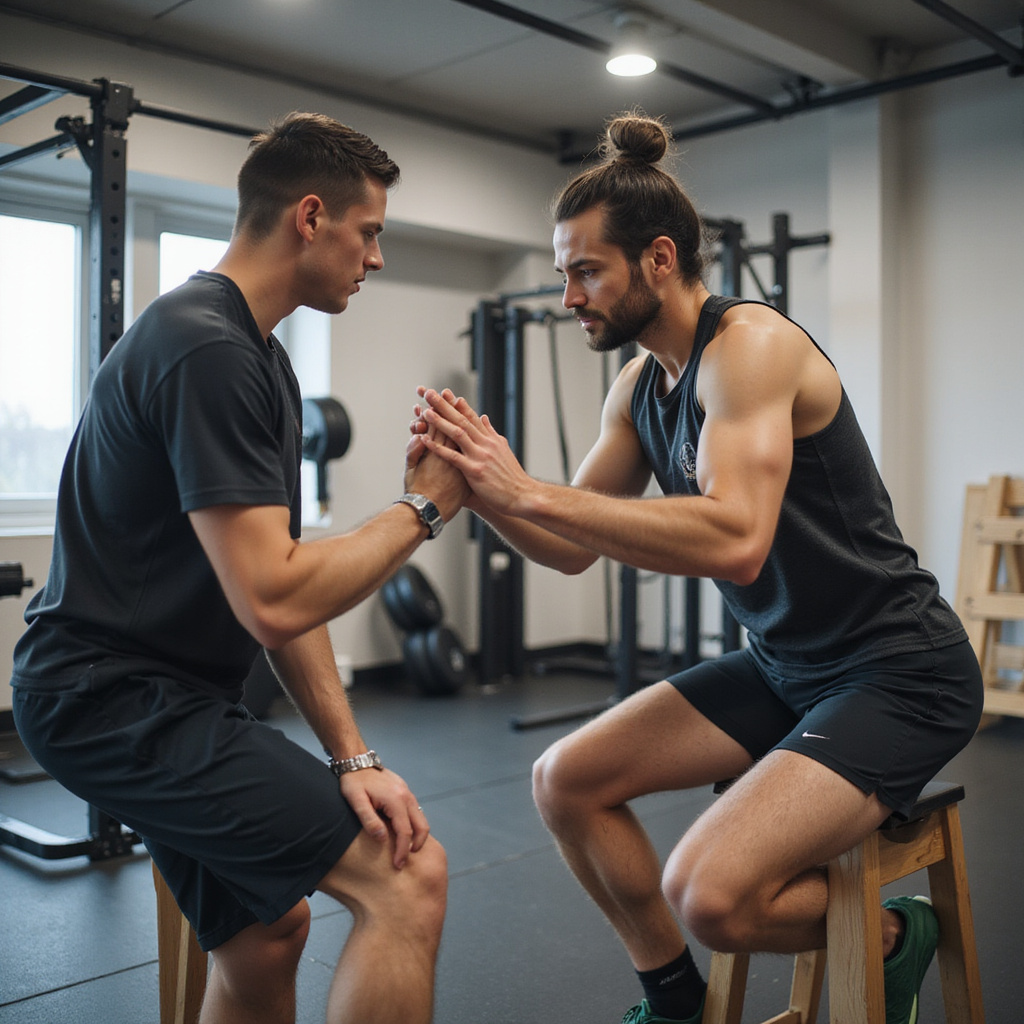
Sports biomechanics analysis evaluates how the body moves during athletic activity to identify inefficiencies, reduce injury risk, and improve performance. At Commons Clinic, sports biomechanics analysis combines expert orthopedic knowledge with advanced movement evaluation to help athletes and active individuals understand how their bodies function during sport specific movements. By analyzing motion, balance, strength, and coordination, specialists can identify patterns that may contribute to pain, injury, or reduced performance.
Many injuries occur because of improper movement mechanics or muscle imbalances that develop over time. Sports biomechanics analysis helps detect these issues early so corrective strategies can be implemented before injuries worsen or performance declines.
What Is Sports Biomechanics Analysis
Sports biomechanics analysis is a detailed evaluation of how muscles, joints, and movement patterns interact during physical activity. Specialists study the mechanics of movement to determine how forces are distributed throughout the body.
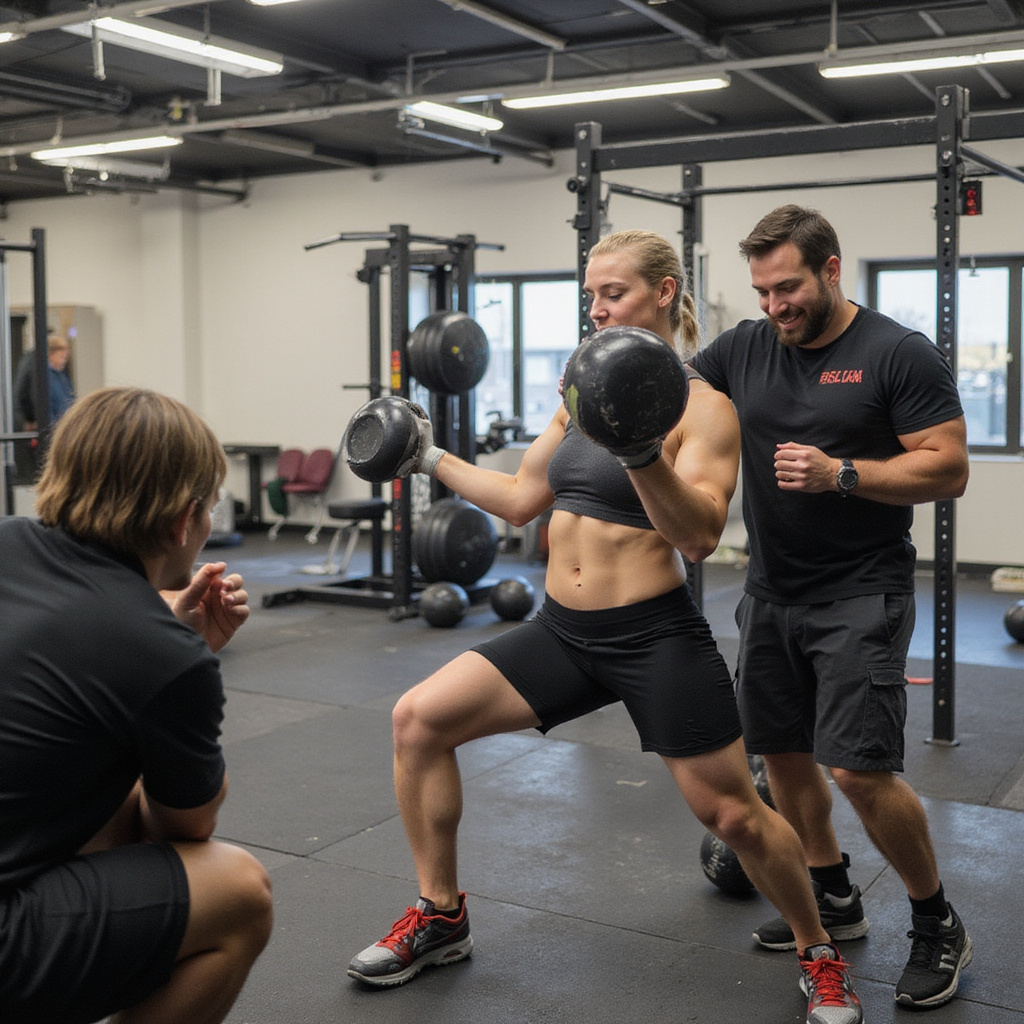
At Commons Clinic, the analysis may involve visual observation, functional testing, and motion evaluation techniques that measure how athletes run, jump, throw, or perform sport specific movements. The goal is to identify movement inefficiencies that place unnecessary stress on joints or muscles.
Understanding these movement patterns allows specialists to design strategies that improve efficiency while protecting long term musculoskeletal health.
Who Can Benefit From Sports Biomechanics Analysis
Sports biomechanics analysis benefits a wide range of individuals who want to improve performance or prevent injury.
Competitive Athletes
Athletes competing at high levels often seek biomechanical analysis to refine technique and maximize efficiency during sport specific movements.
Recreational Athletes
Individuals who participate in sports for fitness or enjoyment can benefit from understanding movement habits that may contribute to pain or repetitive stress injuries.
Patients Recovering From Injury
Biomechanics analysis helps identify movement compensations that may occur after injury. Correcting these patterns can support a safer return to physical activity.
Individuals Focused on Injury Prevention
People who want to stay active and healthy can benefit from learning how their movement patterns affect joint stress and muscle function.
What Happens During Sports Biomechanics Analysis
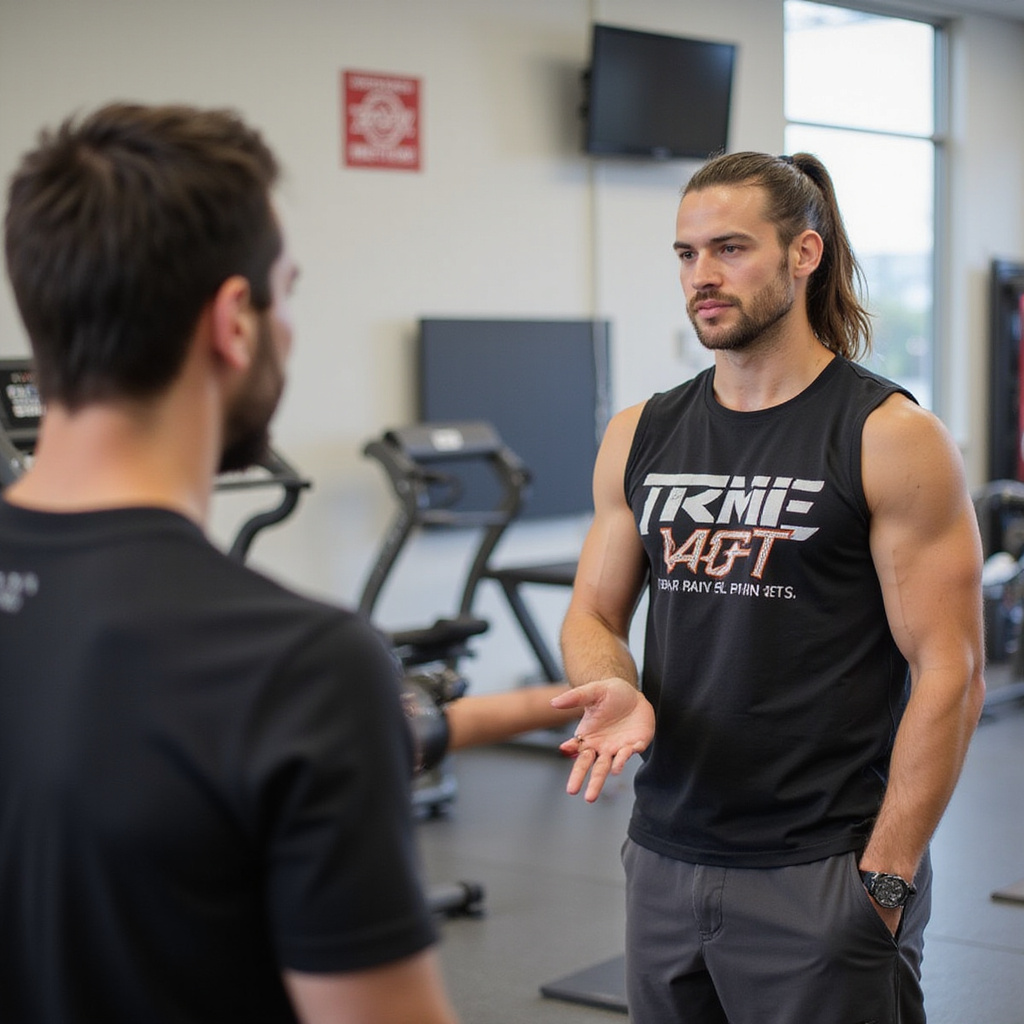
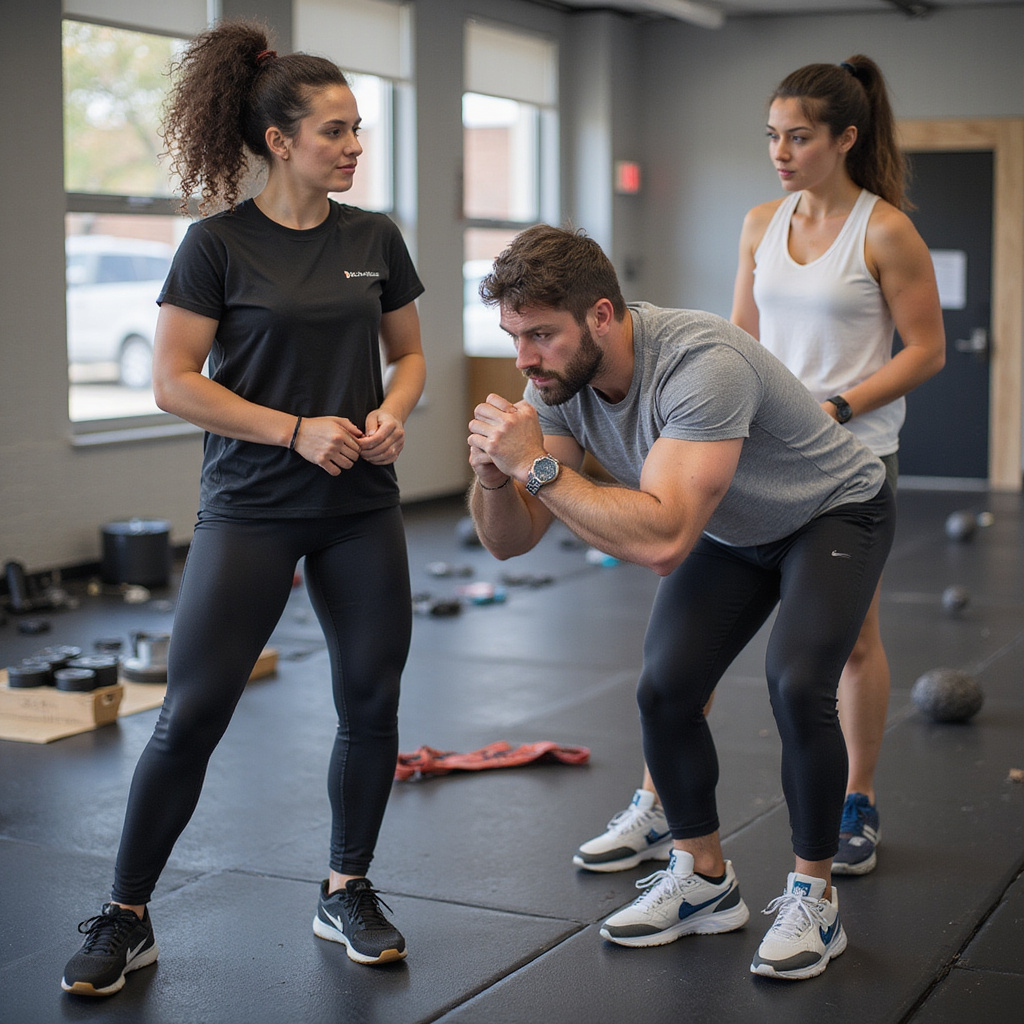
A sports biomechanics analysis at Commons Clinic begins with a comprehensive evaluation performed by specialists trained in orthopedic and sports medicine care.
Movement Assessment
Patients perform specific activities such as walking, running, jumping, or sport related movements while specialists observe body mechanics and coordination.
Functional Testing
Testing may include balance evaluation, joint mobility checks, and strength assessments to understand how different parts of the body work together.
Performance Insights and Recommendations
Based on the analysis, specialists provide personalized recommendations that may include technique adjustments, strengthening exercises, or rehabilitation strategies.
These recommendations help patients improve movement efficiency and reduce stress on vulnerable areas of the body.
Benefits of Sports Biomechanics Analysis
Sports biomechanics analysis provides valuable insight into how movement patterns affect performance and injury risk. Identifying inefficient mechanics allows athletes to correct habits that place excessive strain on muscles and joints.
Improved movement efficiency can enhance speed, balance, and coordination while supporting long term joint health. Patients also gain a better understanding of how their bodies respond to physical activity, which helps them train more effectively and safely.
Why Choose Commons Clinic
Commons Clinic provides advanced orthopedic and sports medicine care delivered by experienced specialists who understand the science of human movement. Our sports biomechanics analysis services combine expert evaluation with modern assessment techniques to provide accurate insight into athletic performance and injury prevention.
Patients benefit from individualized guidance that helps improve movement efficiency, reduce injury risk, and support long term physical health. Whether you are an athlete seeking performance improvement or someone experiencing movement related pain, Commons Clinic offers expert sports biomechanics analysis to help you stay active and strong.
Frequently Asked Questions
What is sports biomechanics analysis?
It is the study of how the body moves during physical activity to identify movement patterns that affect performance and injury risk.
Who should consider biomechanics analysis?
Athletes, active individuals, and patients recovering from injuries can benefit from understanding how their bodies move during activity.
How long does a biomechanics assessment take?
Most evaluations take about forty five to sixty minutes depending on the complexity of the movement analysis.
Can biomechanics analysis help prevent injuries?
Yes. Identifying inefficient movement patterns allows specialists to recommend strategies that reduce stress on muscles and joints.
Do I need to be an athlete to receive this evaluation?
No. Anyone experiencing movement related discomfort or interested in improving physical performance can benefit from biomechanics analysis.





 (310) 574-0367