Pediatric

Pediatric Deformity Correction at Commons Clinic: Expert Care for Growing Bones and Better Alignment

10 min read
Pediatrician using a stethoscope to gently examine a smiling baby on an exam tablelimb lengthening surgery osteotomy bowlegs limb lengthening spine tibia limb lengthening lower limb knock knees limb lengthening limb lengthening spine child deformity correction orthopedic surgery osteotomy osteotomy child deformity correction limb lengthening surgery external fixator child deformity correction hip spine orthopedic surgery child deformity correction hip hip leadership lower limb orthopaedic surgery orthopaedic surgery lower limb orthotic devices osteotomy proximal femur hip hip orthopedic surgery reconstructive surgery leadership hand surgery hip proximal femur spine lower limb orthopaedic surgery reconstructive surgery orthotic devices spine limb lengthening osteotomy reconstructive surgery spine limb lengthening leadership child deformity correction orthopedic surgery limb lengthening reconstructive surgery tibia spine hip knock knees orthopedic surgery orthopedic surgery spica limb lengthening orthopedic surgery spine fibular hemimelia orthotic devices hip child deformity correction osteotomy osteotomy external fixator hip limb lengthening external fixator lower limb hip hand surgery osteotomy hip external fixator hip orthopedic surgery limb lengthening lower limb lower limb limb lengthening surgery lower limb knock knees

When a child’s arms or legs look bowed, knock-kneed, twisted, or uneven, parents often wonder: Will this improve on its own, or does it need treatment? Pediatric deformity correction is specialized orthopedic care focused on improving bone alignment and function while protecting growth and development. Some alignment differences are normal in childhood and resolve with time. Others can progress, cause pain, affect walking, or place stress on joints.

At Commons Clinic, we provide expert specialty care with a streamlined experience and access to advanced diagnostics. Our goal is to give families clear answers, an accurate diagnosis, and a treatment plan that supports long-term mobility and confidence.

What Is Pediatric Deformity Correction?

Pediatric deformity correction includes non-surgical and surgical treatments used to address abnormal bone alignment, limb length differences, rotational issues, and joint deformities in children and teens. Because children are still growing, the approach is different from adult alignment correction. Treatment aims to guide growth when possible and correct deformity safely when needed.

Common conditions evaluated include:

  • Bowlegs and knock-knees that persist beyond typical age ranges
  • In-toeing or out-toeing caused by rotational differences in the hip, tibia, or foot
  • Limb length discrepancy
  • Congenital or developmental deformities
  • Post-traumatic deformities after fractures
  • Neuromuscular-related alignment problems
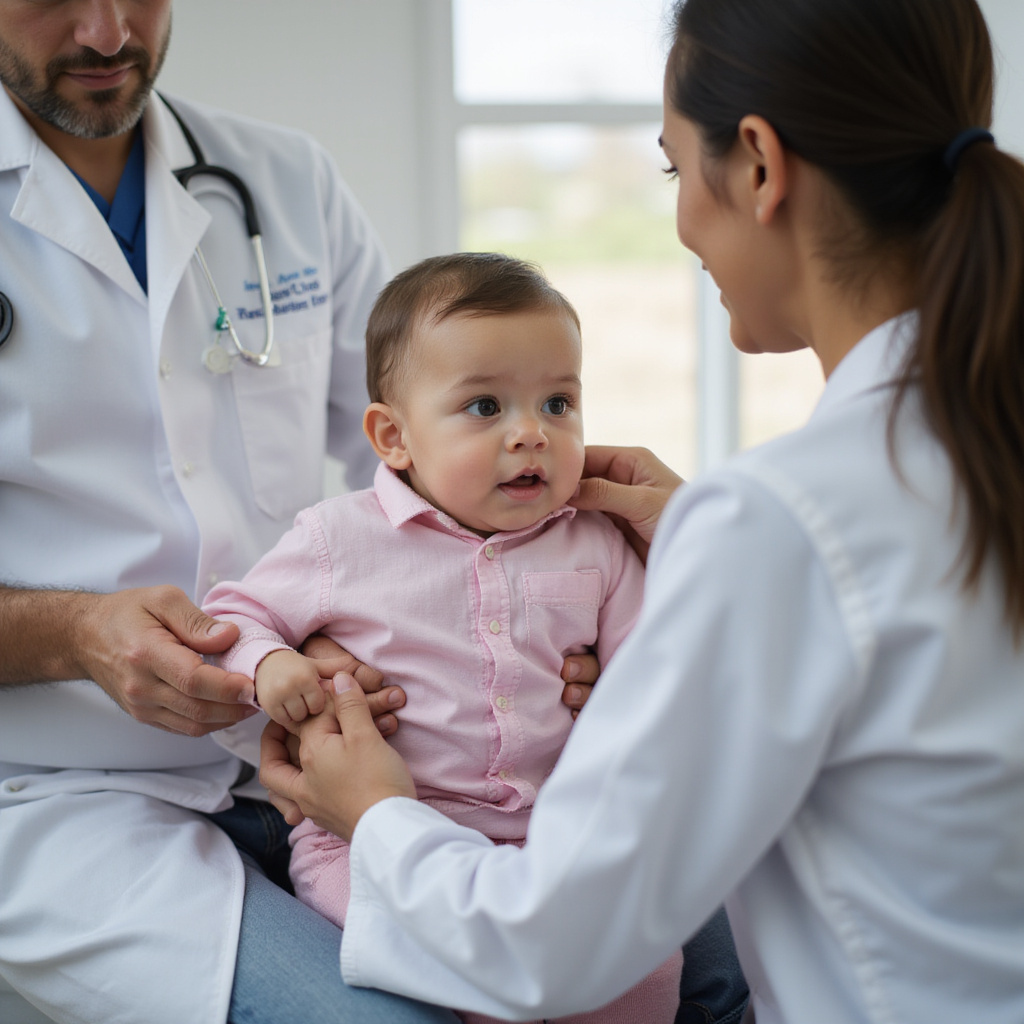
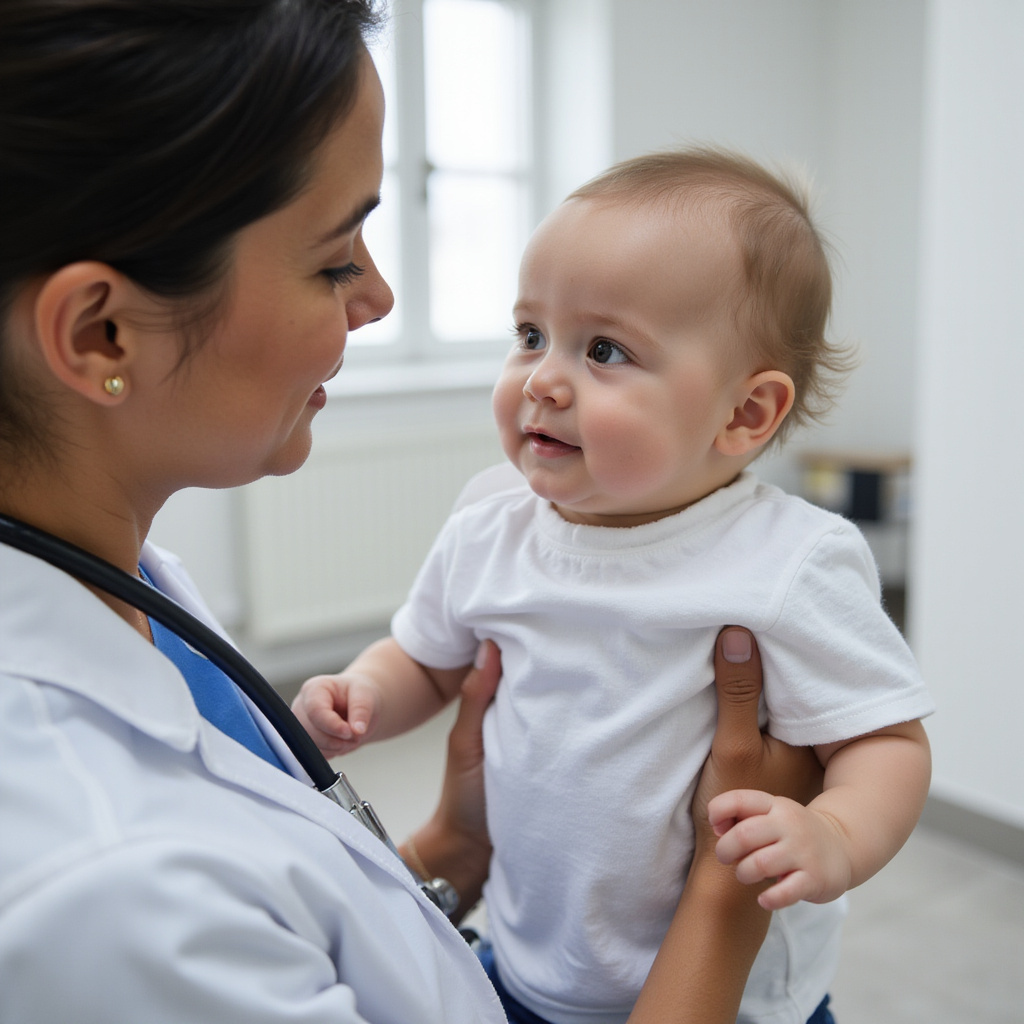
Pediatric doctor gently examining a smiling three-month-old baby during a routine check-up. hip external fixator hand surgery tibia osteotomy knock knees tibia hip hand surgery osteotomy osteotomy hip minimally invasive spine surgery spine hip external fixator osteotomy lower limb spica hip orthopedic surgery leadership limb lengthening tibia limb lengthening hip orthopedic surgery limb lengthening surgery hip limb lengthening limb lengthening surgery orthopaedic surgery proximal femur osteotomy child deformity correction osteotomy tibia spine tibia spine hip lower limb osteotomy limb lengthening hip child deformity correction spine external fixator osteotomy osteotomy osteotomy limb lengthening osteotomy hip limb lengthening surgery osteotomy osteotomy limb lengthening lower limb osteotomy bowlegs lower limb spine child deformity correction osteotomy spine osteotomy tibia limb lengthening surgery hip osteotomy hip hip spine limb lengthening osteotomy limb lengthening leadership hip limb lengthening limb lengthening limb lengthening surgery osteotomy osteotomy child deformity correction hip limb lengthening surgery limb lengthening lower limb limb lengthening limb lengthening surgery hip
Pediatrician gently examining a smiling baby with a stethoscope during a routine check-up in a bright clinic room hip spine hip hip reconstructive surgery external fixator osteotomy hip hip osteotomy spine lower limb lower limb hip osteotomy minimally invasive spine surgery osteotomy osteotomy spica orthopaedic surgery minimally invasive spine surgery tibia spine osteotomy tibia hip limb lengthening surgery hip limb lengthening surgery child deformity correction limb lengthening orthopaedic surgery tibia hip leadership spine hip lower limb hip lower limb orthopedic surgery osteotomy lower limb hip hip lower limb limb lengthening limb lengthening hip osteotomy lower limb lower limb hip osteotomy orthopaedic surgery external fixator limb lengthening surgery external fixator osteotomy fibular hemimelia limb lengthening surgery tibia reconstructive surgery spine fibular hemimelia orthopedic surgery tibia osteotomy osteotomy proximal femur lower limb hip hip reconstructive surgery lower limb hip osteotomy hip external fixator lower limb knock knees osteotomy osteotomy hip hip limb lengthening surgery child deformity correction hip spine osteotomy hip child deformity correction

When Should a Child Be Evaluated?

Consider an orthopedic evaluation if your child has:

  • Noticeable worsening of bowing, knock-knees, or asymmetry
  • Limping, frequent tripping, or fatigue with walking
  • Knee, hip, ankle, or foot pain related to alignment
  • A significant difference in leg lengths
  • A deformity after an injury that does not seem to be correcting
  • Family history of skeletal conditions or concern about growth patterns

Early evaluation can be helpful because some treatments work best while growth plates are still active.

Treatment Options That May Be Used

Commons Clinic builds a personalized plan based on your child’s age, growth remaining, severity of deformity, and functional goals. Treatment may include:

  • Observation with scheduled monitoring when the deformity is likely to improve naturally
  • Bracing in selected conditions when it can guide alignment
  • Physical therapy to improve strength, balance, and movement mechanics
  • Guided growth, a minimally invasive approach that uses small implants to gradually correct alignment as the child grows
  • Osteotomy, a surgical correction that realigns the bone when growth guidance is no longer enough or when deformity is more severe
  • Limb length management, which may involve shoe lifts, guided growth strategies, or surgical techniques in appropriate cases

We focus on outcomes that matter to families: safer walking, improved comfort, better symmetry, and long-term joint protection.
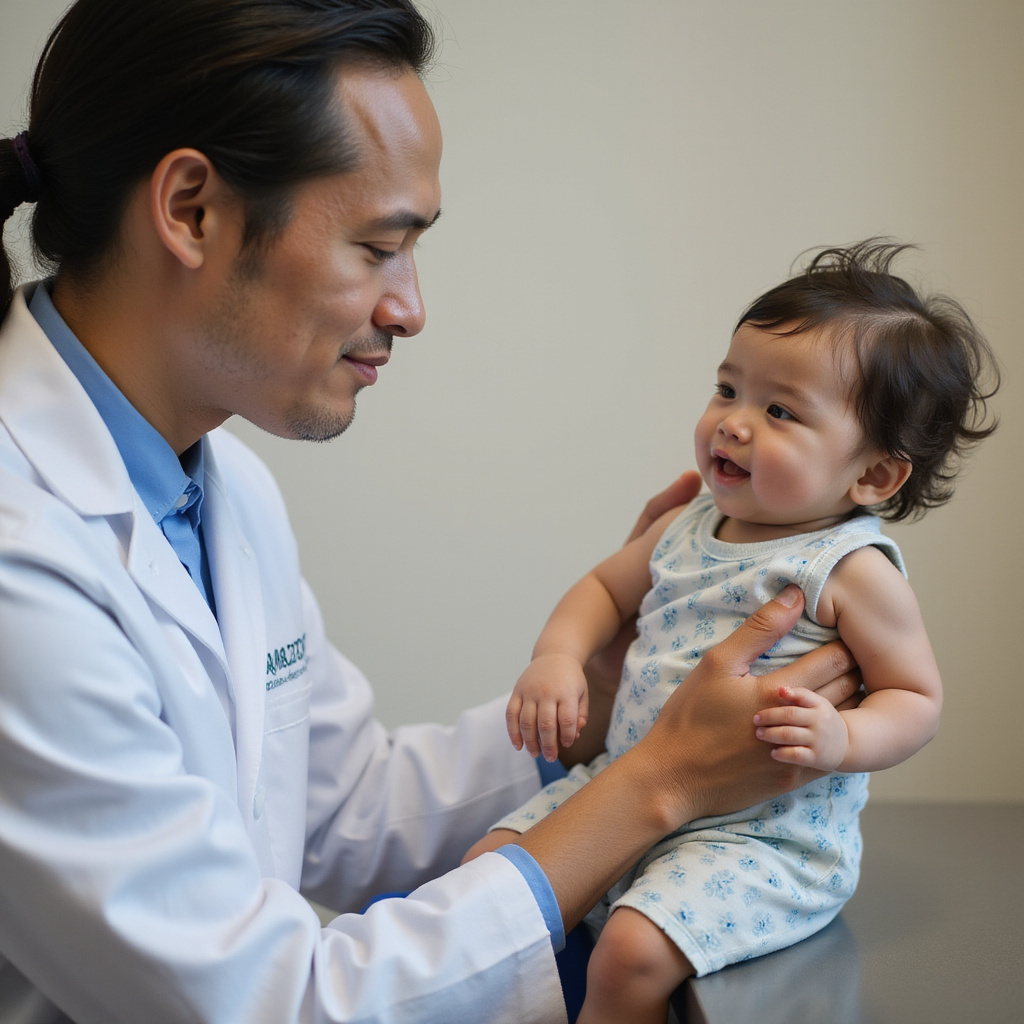

Pediatrician gently using a stethoscope to check a baby’s heartbeat during a routine wellness exam hip osteotomy limb lengthening osteotomy orthopaedic surgery lower limb hip hip limb lengthening surgery lower limb lower limb hip hip osteotomy child deformity correction osteotomy hip orthopaedic surgery tibia hip lower limb orthopedic surgery orthopedic surgery external fixator limb lengthening lower limb hip osteotomy tibia minimally invasive spine surgery limb lengthening external fixator spine limb lengthening child deformity correction limb lengthening lower limb minimally invasive spine surgery leadership hip external fixator limb lengthening hip bowlegs external fixator orthotic devices lower limb hip tibia spine orthopedic surgery lower limb limb lengthening limb lengthening surgery limb lengthening external fixator osteotomy lower limb osteotomy osteotomy hip spine limb lengthening limb lengthening osteotomy orthopedic surgery osteotomy lower limb external fixator hip osteotomy hip spine hip orthopedic surgery hip spine tibia external fixator hip hip lower limb orthopaedic surgery minimally invasiv
Pediatrician gently checking the heartbeat of a five-month-old baby in a bright clinic room osteotomy limb lengthening limb lengthening hip lower limb reconstructive surgery reconstructive surgery knock knees proximal femur fibular hemimelia child deformity correction orthopaedic surgery lower limb orthopedic surgery spica lower limb child deformity correction child deformity correction hip spine child deformity correction orthopaedic surgery child deformity correction orthopaedic surgery limb lengthening osteotomy hand surgery limb lengthening surgery external fixator osteotomy hip spine osteotomy limb lengthening hip orthopedic surgery child deformity correction bowlegs osteotomy osteotomy hip hip limb lengthening limb lengthening lower limb limb lengthening spine child deformity correction orthopedic surgery hip child deformity correction hip hand surgery osteotomy child deformity correction limb lengthening osteotomy hip osteotomy lower limb osteotomy lower limb lower limb proximal femur leadership osteotomy hip limb lengthening tibia external fixator lower limb limb lengthening surgery child deformity correction limb lengthening osteotomy orthopaedic surgery hip spine hip osteotomy hip limb lengthening hip orthopaedic surgery fibular hemimelia orthopaedic surgery hand surgery limb lengthening osteotomy

What to Expect at Commons Clinic

Your visit typically includes a detailed history, physical exam, and imaging when needed. We explain whether your child’s alignment is within normal developmental patterns or if correction is recommended. If treatment is needed, we provide a clear roadmap including follow-up timing, activity guidance, and expected milestones.

Commons Clinic is second-opinion friendly. If you have already seen another specialist or received a recommendation for surgery, we can review imaging and explain all appropriate options.

Why Families Choose Commons Clinic

  • Orthopedic specialists experienced in pediatric alignment and growth-related conditions
  • Clear explanations that help parents make confident decisions
  • Streamlined scheduling and coordinated follow-up
  • Evidence-based treatment planning supported by advanced diagnostics

Frequently Asked Questions

Do bowlegs or knock-knees always need treatment?

No. Many cases are part of normal development. Evaluation helps determine if the pattern is expected for age or if it is progressing abnormally.

What is guided growth?

Guided growth uses small implants to gently redirect growth over time, gradually improving alignment while the child continues to grow.

Will my child need surgery?

Not always. Many children only need monitoring or non-surgical care. Surgery is considered when deformity is significant, worsening, painful, or affecting function.

Can deformity correction prevent future joint problems?

Improving alignment can reduce uneven joint stress and may lower the risk of pain and early arthritis later in life, especially in significant deformities.

Can Commons Clinic provide a second opinion?

Yes. We can review prior imaging, assess growth patterns, and explain the best options based on your child’s age and condition.

If you are concerned about your child’s leg alignment, walking pattern, or uneven growth, schedule a pediatric deformity correction evaluation at Commons Clinic. You will get expert guidance, a clear plan, and support focused on healthy movement for the years ahead.