
Femur Fracture Surgery at Commons Clinic: Restore Stability, Mobility, and Confidenc
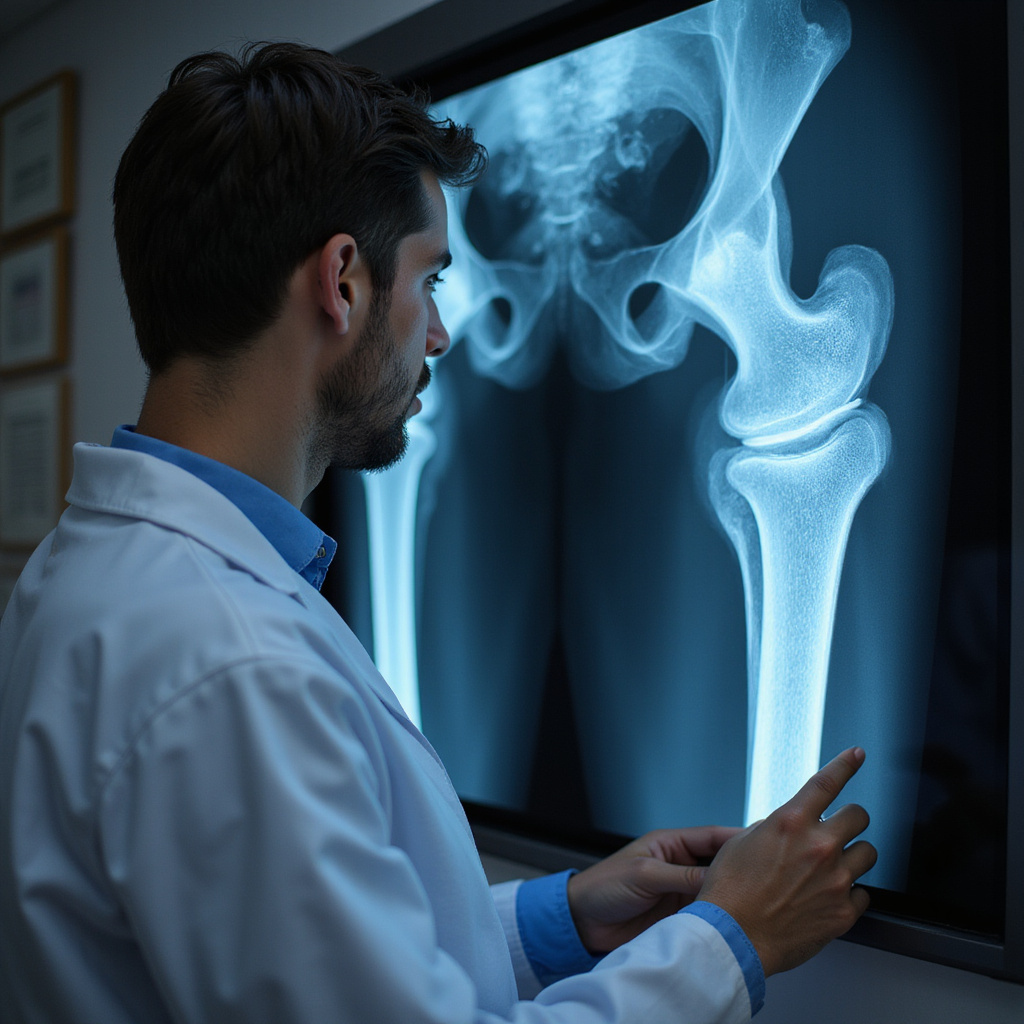
A femur fracture is a major injury. Because the femur is the strongest bone in the body, a break often happens from a high-impact accident or, in older adults, a fall combined with weakened bone. Femur fracture surgery is frequently the safest way to stabilize the bone, relieve pain, and help you return to standing and walking as soon as it is medically appropriate.
At Commons Clinic, our orthopedic specialists provide expert specialty care with a streamlined experience and access to advanced medical technology. If you are facing femur fracture surgery, we focus on clear answers, precise surgical planning, and a recovery plan built around getting you moving safely again.
What Is Femur Fracture Surgery?
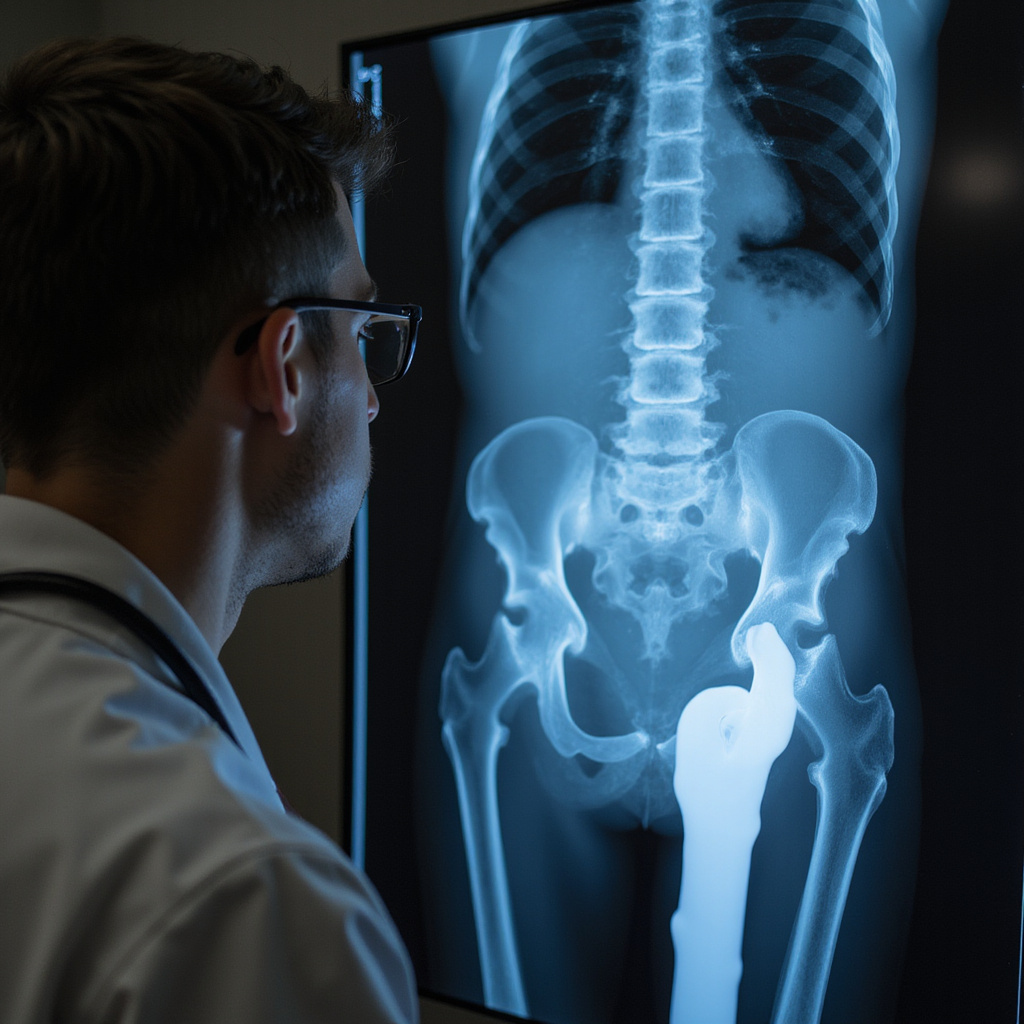
Femur fracture surgery repairs a break in the thigh bone using implants that hold the bone in proper alignment while it heals. The procedure depends on where the fracture is located and how complex it is. Common surgical approaches include:
- Intramedullary nailing, where a metal rod is placed inside the bone canal to stabilize the fracture
- Plate and screw fixation, often used for fractures near the hip or knee or when the fracture pattern requires added support
- External fixation in select urgent situations, sometimes as a temporary step before definitive repair
Your surgeon’s priority is strong fixation that allows early mobilization and reduces risks that come with prolonged immobility.
When Surgery Is Usually Recommended
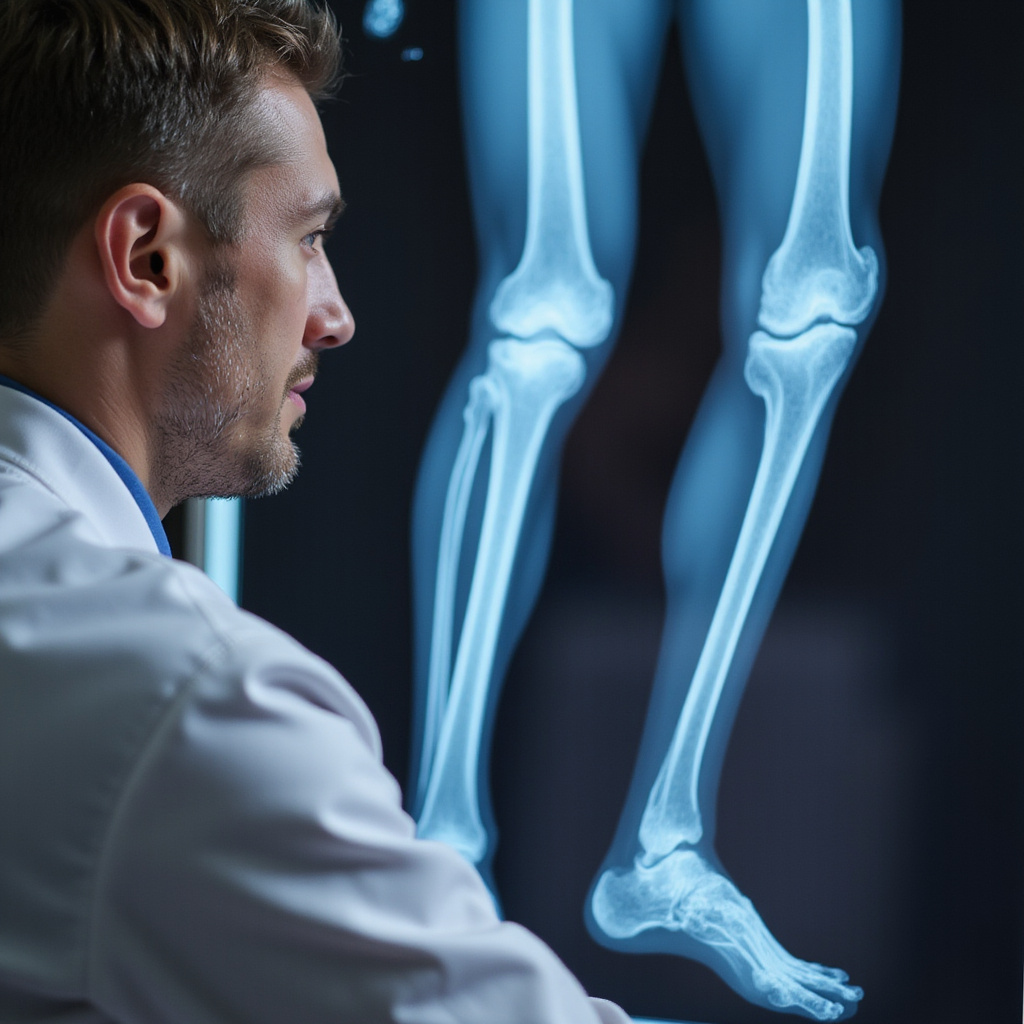
Many femur fractures require surgery because the bone carries your body weight and needs reliable stabilization. Surgery is commonly recommended when you have:
- A displaced fracture where bone ends are not aligned
- An unstable fracture pattern or multiple fracture fragments
- A fracture involving the upper femur near the hip or lower femur near the knee
- Significant pain and inability to bear weight
- Associated injuries that require coordinated care
For older adults, bone quality and healing capacity also influence the best surgical strategy.
What to Expect at Commons Clinic
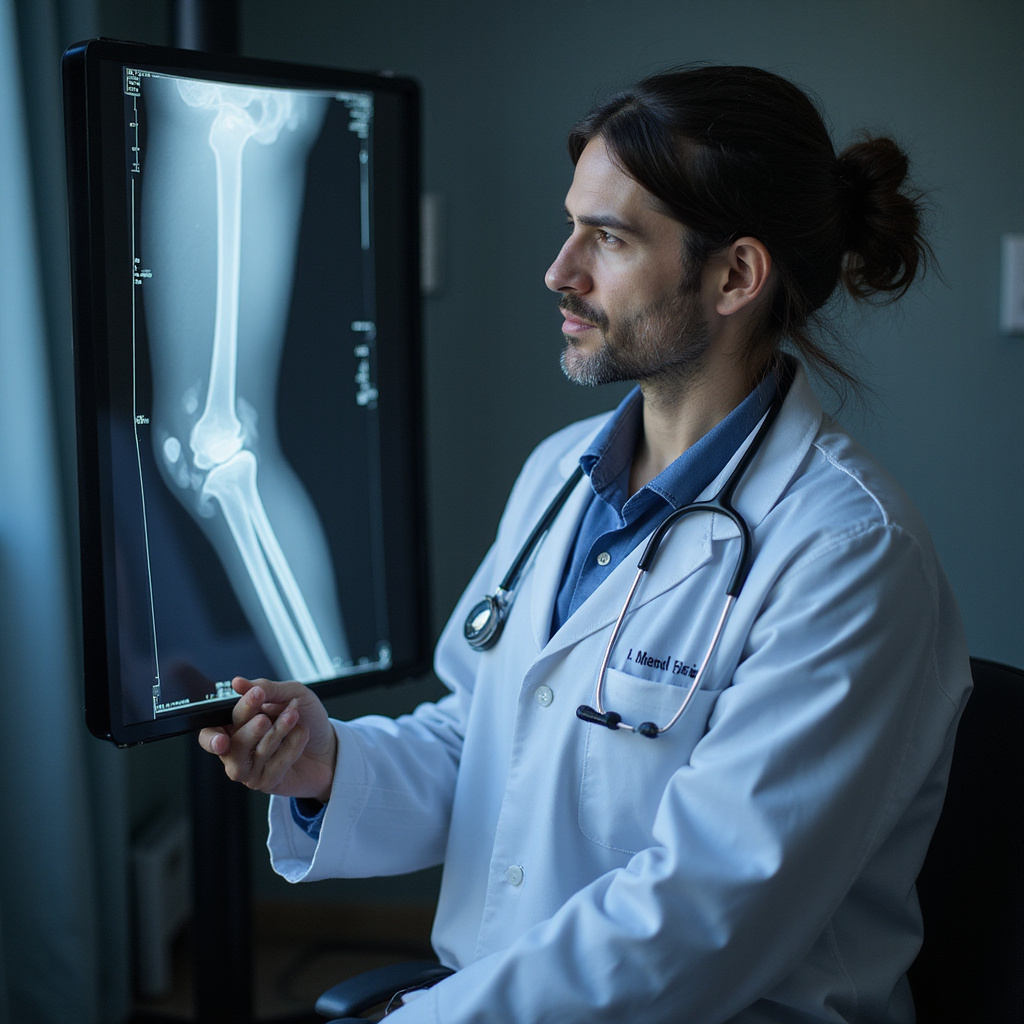
Commons Clinic is designed for patients who want specialty care without unnecessary delays. Your evaluation typically includes a focused exam and imaging to map the fracture. When needed, we use advanced diagnostics to support accurate surgical planning.
If femur fracture surgery is recommended, you will receive a clear plan that covers:
- Which fixation method is best for your fracture and why
- Expected hospital course and pain control strategy
- Weight-bearing guidance and mobility milestones
- Rehabilitation planning, including physical therapy goals
- Follow-up schedule to track healing and function
Our team coordinates your care so you are not left guessing about next steps.
Recovery and Rehabilitation
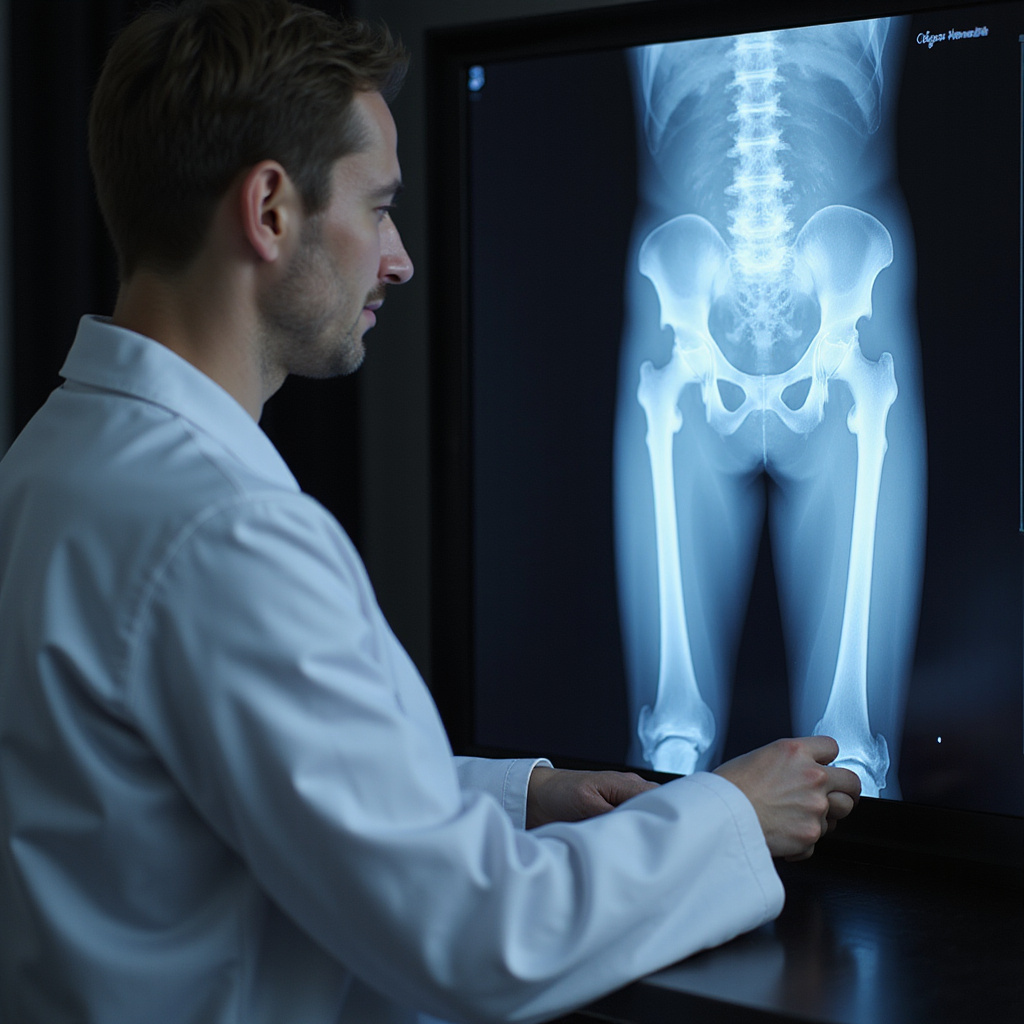
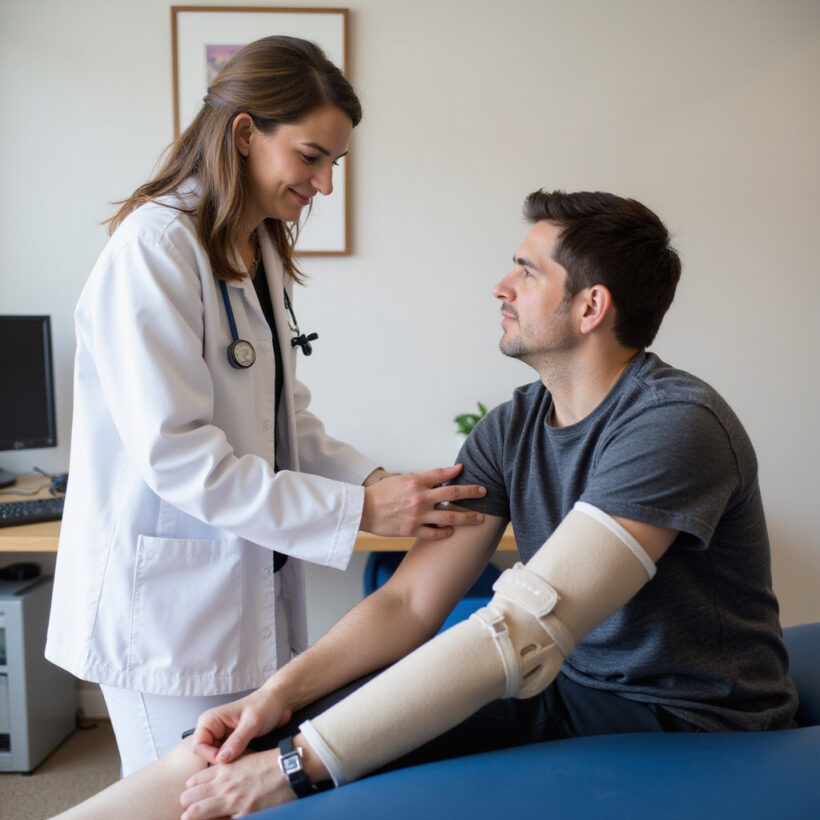
Recovery time depends on the fracture type, fixation method, and overall health. Many patients begin assisted movement early, with a walker or crutches. Physical therapy focuses on restoring strength, hip and knee mobility, balance, and safe gait mechanics. We also address factors that affect healing, including nutrition, smoking status, and bone health.
Why Patients Choose Commons Clinic
- Orthopedic specialists experienced in complex fractures and surgical fixation
- Streamlined evaluation, imaging, and treatment planning
- Clear communication for patients and families, including second opinions
- Evidence-based care supported by modern diagnostics and technology
Frequently Asked Questions
Can a femur fracture heal without surgery?
Some rare, stable fractures may be managed without surgery, but most femur fractures require surgical stabilization to heal correctly and allow safe mobility.
How long will it take to walk again?
Many patients start assisted walking soon after surgery, but weight-bearing depends on fracture stability and the fixation method. Your surgeon will give a specific plan.
Will the metal rod or plate stay in forever?
Often it can remain permanently if it is not causing problems. In some cases, hardware is removed later due to irritation or other issues.
What are the risks of femur fracture surgery?
Risks can include infection, bleeding, blood clots, nerve or vessel injury, delayed healing, and hardware complications. Careful surgical technique and rehab reduce these risks.
How do you monitor healing after surgery?
We follow your progress with scheduled visits and imaging to confirm bone healing and guide activity progression.
If you or a loved one needs femur fracture surgery, schedule an evaluation at Commons Clinic. You will get expert guidance, a personalized surgical plan, and a structured path back to safe, confident movement.



 (562) 348-4588