
Throwing Shoulder Assessment

A throwing shoulder assessment is a specialized evaluation used to diagnose shoulder pain or injuries caused by repetitive throwing motions. At Commons Clinic, our orthopedic specialists provide comprehensive throwing shoulder assessments to identify the source of discomfort, evaluate joint function, and create a treatment plan that helps athletes return to activity safely. This service is particularly valuable for athletes involved in sports such as baseball, softball, tennis, football, and other activities that place stress on the shoulder joint.
The shoulder is one of the most complex joints in the body. Repetitive overhead motion during throwing can place significant strain on muscles, tendons, ligaments, and cartilage. Without proper evaluation and care, minor shoulder discomfort can develop into more serious injuries that affect performance and long term mobility.
What Is a Throwing Shoulder Assessment
A throwing shoulder assessment is a detailed orthopedic evaluation that examines how the shoulder functions during overhead throwing movements. The goal is to identify structural problems, movement limitations, or muscle imbalances that may contribute to pain or injury.
During the evaluation, physicians assess the shoulder joint, surrounding muscles, and overall movement patterns. Specialists also consider the athlete’s throwing mechanics, training habits, and history of previous injuries.
At Commons Clinic, this assessment combines medical expertise with advanced diagnostic tools to provide an accurate diagnosis and personalized treatment recommendations.


Common Shoulder Injuries in Throwing Athletes
Athletes who perform repetitive throwing motions are at higher risk for certain shoulder conditions. A throwing shoulder assessment helps identify these issues early.
Rotator Cuff Injuries
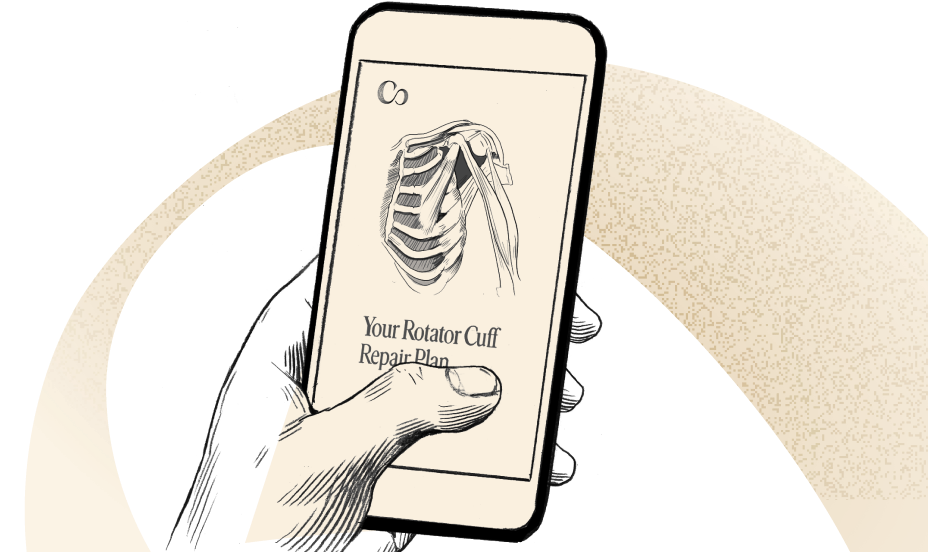
The rotator cuff is a group of muscles and tendons that stabilize the shoulder. Repetitive throwing can cause irritation, weakness, or tears in these structures.
Labral Injuries
The labrum is cartilage that helps stabilize the shoulder joint. Overhead throwing motions may cause damage or tearing, leading to pain and reduced shoulder stability.
Shoulder Impingement
Impingement occurs when shoulder tendons become compressed during movement. This condition can cause pain when lifting the arm or performing overhead activities.
Tendon Irritation
Overuse of the shoulder can lead to inflammation or irritation of tendons, which may affect strength and range of motion.
What Happens During a Throwing Shoulder Assessment
A throwing shoulder assessment begins with a discussion about the athlete’s symptoms and training routine. Physicians ask about pain location, throwing frequency, and previous injuries.
Physical Examination
The physician evaluates shoulder strength, flexibility, stability, and range of motion. This helps identify areas of weakness or limited movement.
Movement and Mechanics Evaluation
Specialists observe shoulder motion and may assess throwing mechanics to detect patterns that contribute to injury.
Diagnostic Imaging
If needed, imaging tests such as X rays or advanced scans may be recommended to confirm the diagnosis and guide treatment decisions.


Benefits of a Professional Shoulder Assessment
A professional evaluation helps athletes receive an accurate diagnosis and targeted treatment plan. Early detection of shoulder problems can prevent more serious injuries and reduce time away from sports.
Athletes also receive guidance on strengthening exercises, training adjustments, and proper throwing mechanics. These strategies help protect the shoulder joint and support long term athletic performance.
Why Choose Commons Clinic
Commons Clinic provides advanced orthopedic and sports medicine care supported by experienced specialists and modern diagnostic technology. Our team understands the unique demands placed on athletes who perform repetitive throwing motions.
Patients benefit from streamlined care, precise diagnoses, and individualized treatment plans designed to restore shoulder function and improve athletic performance. Whether you are a competitive athlete or a recreational player, Commons Clinic offers expert throwing shoulder assessment services to help you stay active and healthy.
Frequently Asked Questions
When should I get a throwing shoulder assessment?
You should schedule an evaluation if you experience shoulder pain, weakness, or reduced throwing performance.
Can shoulder pain from throwing heal on its own?
Minor soreness may improve with rest, but persistent pain should be evaluated by a specialist.
What sports commonly cause throwing shoulder injuries?
Sports such as baseball, softball, tennis, volleyball, and football often involve repetitive throwing motions that stress the shoulder.
Will imaging tests be required?
Imaging is recommended only when physicians need additional information to confirm the diagnosis.
Can a shoulder assessment help prevent injuries?
Yes. Identifying movement issues or muscle imbalances early can help prevent more serious shoulder injuries.





 (562) 348-4588