Return to Play Clearance

Return to play clearance is a medical evaluation that determines whether an athlete or active individual can safely return to sports after an injury, illness, or surgery. At Commons Clinic, our return to play clearance assessments help patients recover with confidence by ensuring their bodies are fully prepared for physical activity. Our specialists carefully evaluate strength, mobility, and overall function so athletes can return to training and competition without unnecessary risk.
Returning to sports too soon can lead to reinjury or long term complications. A professional clearance evaluation ensures that healing has progressed properly and that the athlete is ready to perform safely.
What Is Return to Play Clearance
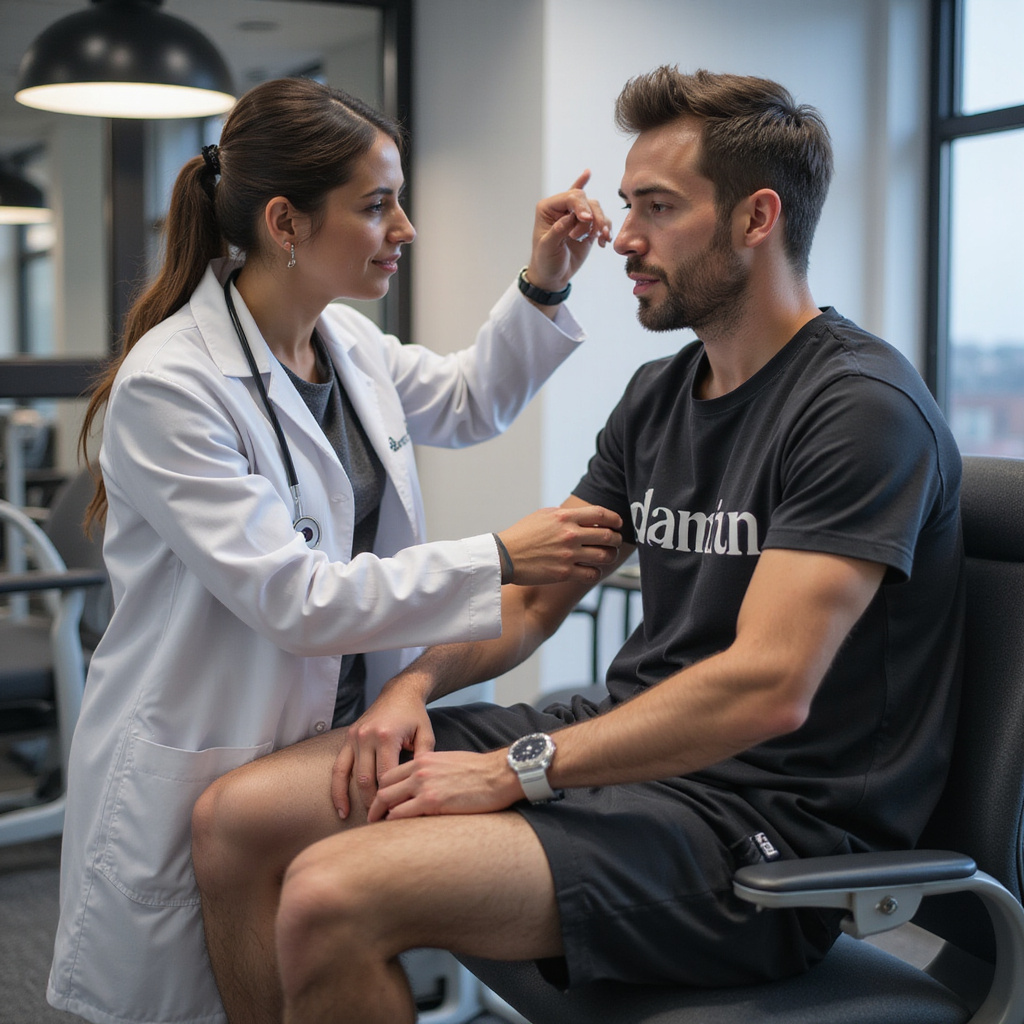
Return to play clearance is a medical process used to evaluate whether a patient has recovered enough to resume athletic activity. This evaluation often takes place after injuries such as ligament tears, muscle strains, fractures, or concussion.
Physicians assess several factors including joint stability, muscle strength, balance, coordination, and movement patterns. These factors help determine whether the body can safely handle the physical demands of sports.
At Commons Clinic, specialists create individualized evaluations based on the type of injury and the athlete’s specific sport. This personalized approach helps reduce the risk of reinjury while supporting long term performance.

When Return to Play Clearance Is Needed
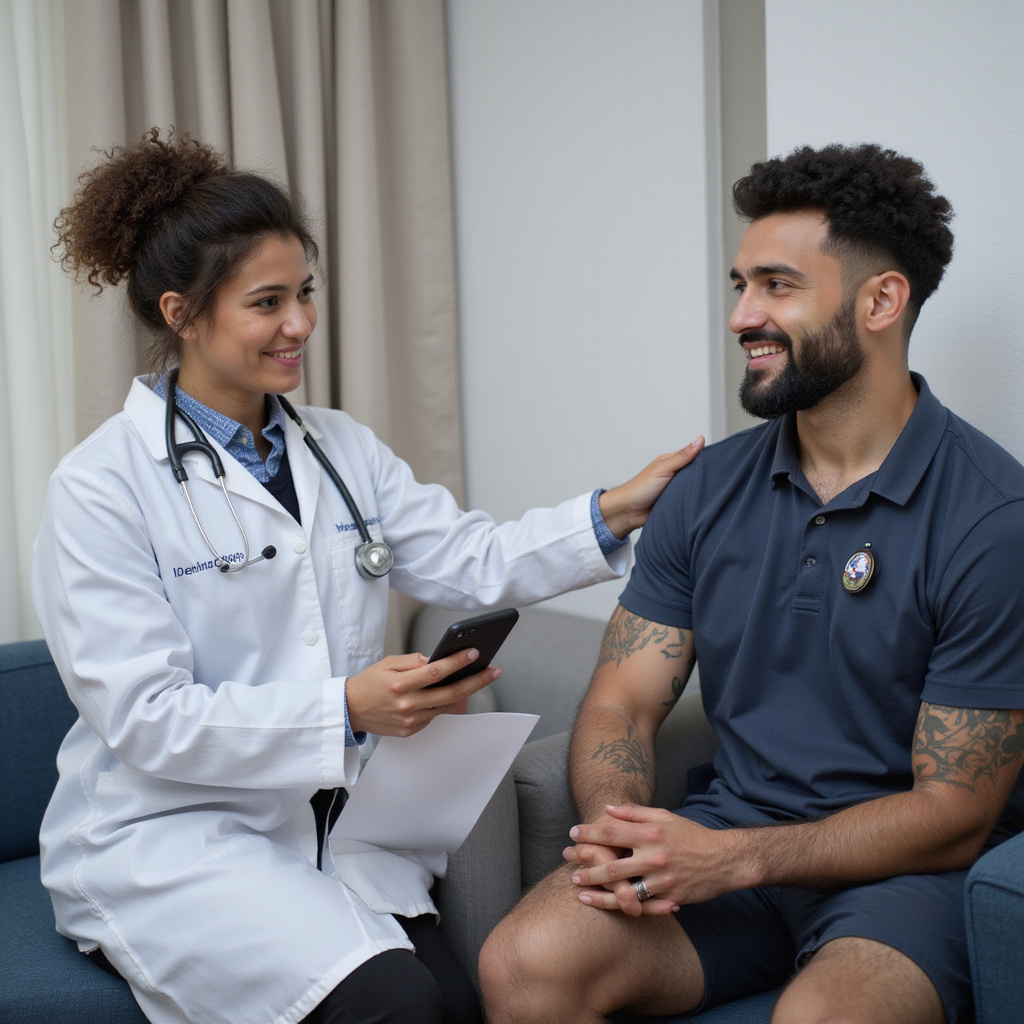
Return to play clearance is commonly required in several situations. Many schools, sports leagues, and athletic organizations require medical clearance before athletes return to participation.
Recovery From Sports Injuries
Athletes recovering from injuries such as ligament sprains, tendon damage, or fractures must demonstrate full recovery before returning to activity.
Post Surgical Recovery
After orthopedic procedures such as ligament repair or joint surgery, physicians must confirm that strength and mobility have returned before sports participation resumes.
Concussion or Medical Conditions
Athletes recovering from concussion or certain medical conditions must undergo a medical evaluation before returning to competition.
What Happens During a Return to Play Evaluation
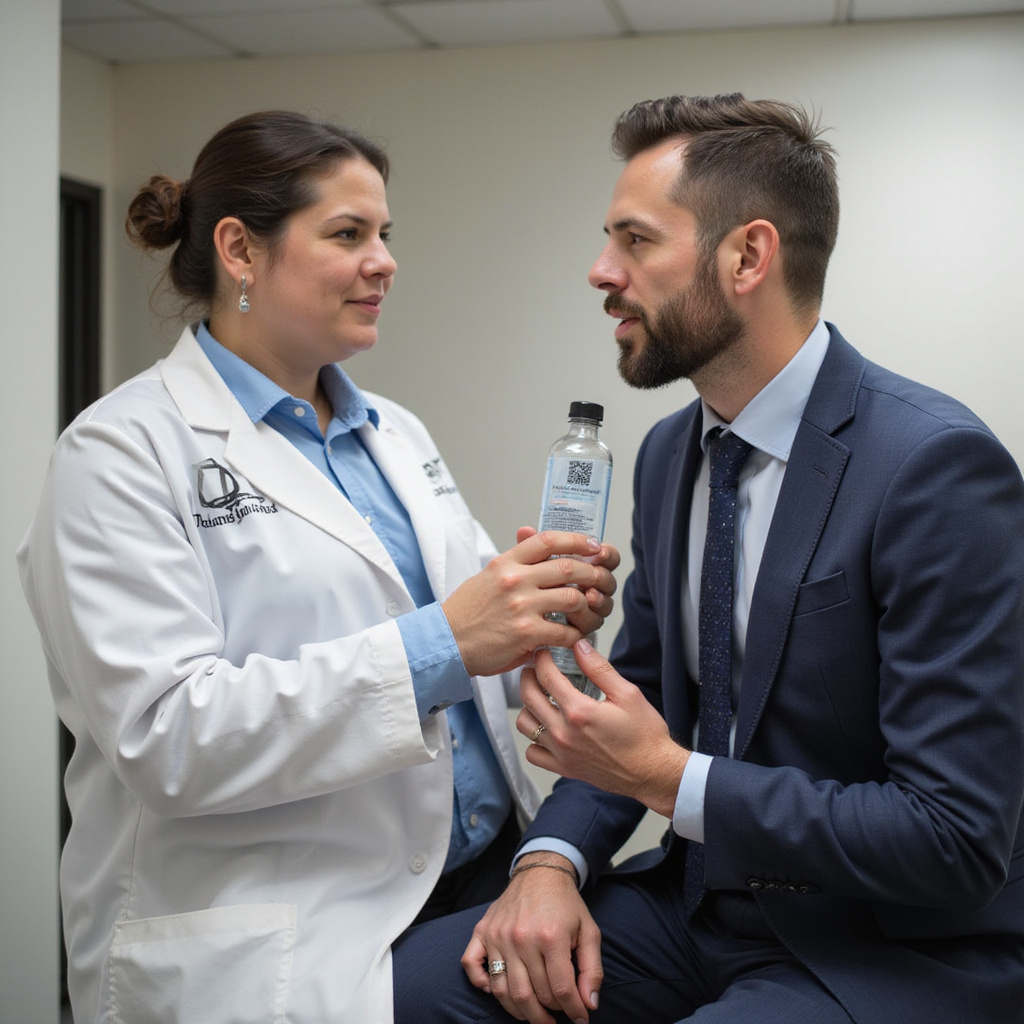
A return to play clearance appointment begins with a detailed review of the patient’s medical history and injury recovery progress. Physicians ask questions about symptoms, previous treatments, and current physical activity levels.
Physical Strength Testing
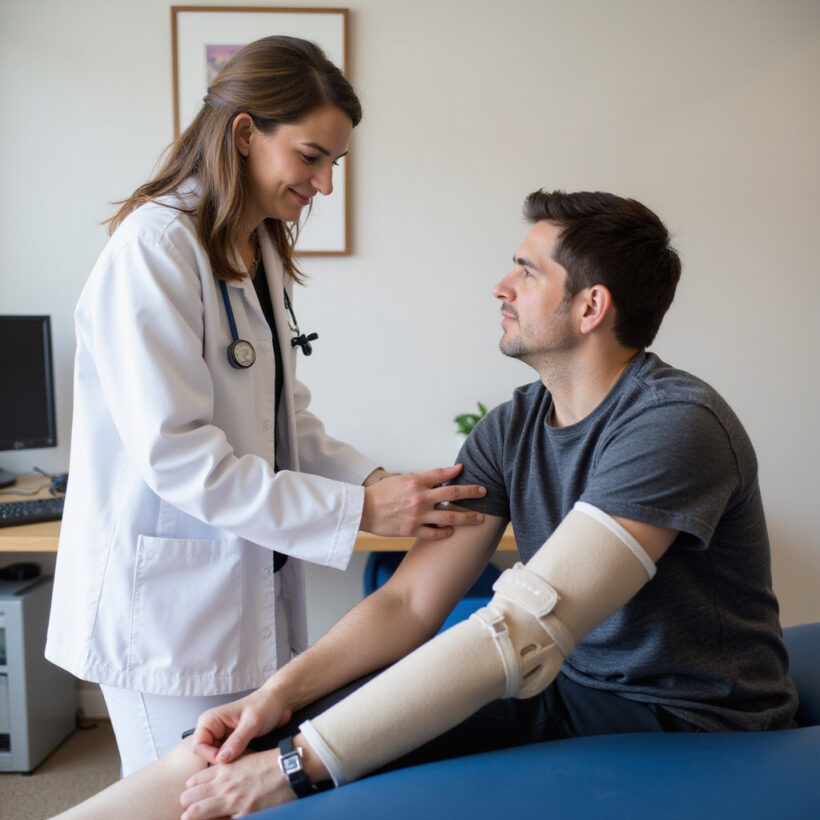
The physician evaluates muscle strength and joint stability to ensure the injured area can handle physical stress.
Movement and Mobility Assessment
Patients may perform functional movements such as squatting, jumping, or balance exercises. These tests help determine whether movement patterns are safe and stable.
Injury Risk Evaluation
Specialists analyze biomechanics and identify any remaining weakness or imbalance that could increase the risk of reinjury.
If necessary, additional therapy or conditioning may be recommended before full clearance is granted.

Benefits of Professional Return to Play Clearance
A professional return to play clearance evaluation protects athletes by ensuring they return to sports only when their bodies are ready. This evaluation helps prevent reinjury, improves performance readiness, and provides reassurance that recovery is complete.
Athletes also receive expert guidance on injury prevention strategies, conditioning routines, and safe training progression. These recommendations help support long term athletic health and performance.
Why Choose Commons Clinic
Commons Clinic provides advanced orthopedic and sports medicine care supported by experienced physicians and modern diagnostic technology. Our specialists understand the physical demands athletes face and are committed to helping patients return to activity safely.
Patients benefit from personalized evaluations, streamlined care, and treatment plans designed to support recovery and long term mobility. Whether you are a student athlete or an active adult, Commons Clinic offers expert return to play clearance services tailored to your needs.
Frequently Asked Questions
What is return to play clearance?
Return to play clearance is a medical evaluation that determines whether an athlete can safely return to sports after injury or illness.
Who needs return to play clearance?
Athletes recovering from injuries, surgery, or concussion often need medical clearance before resuming sports.
How long does a return to play evaluation take?
Most evaluations take about thirty minutes depending on the injury and testing required.
What if I am not cleared to return to sports?
If clearance is not granted, your physician may recommend additional rehabilitation or strengthening exercises.
Why is return to play clearance important?
This evaluation helps ensure the body has fully recovered, reducing the risk of reinjury and protecting long term health.
Return to Play Clearance: Safe, Evidence Based Decisions for Your Comeback
Return to play clearance protects your long term health. Our sports medicine clinic delivers evidence based RTP clearance with thorough medical evaluation, baseline testing, and stepwise progression from light aerobic activity to full contact practice. Licensed medical professionals provide written clearance to play so athletes safely return to sports and competition.
What Is Return to Play Clearance and Why Does It Matter for Your Long Term Health?
How Return to Play Clearance Works From Injury to Full Participation
Return to play clearance is the formal medical approval that says an athlete may safely resume sports after an injury or concussion. It is more than a signature on a form. It is a structured RTP clearance process that protects your brain, joints, and long term health. A licensed medical professional reviews your symptoms, medical history, baseline testing, and sport specific demands before giving written clearance to play.
Without proper return to play clearance, you risk worsening an existing injury or triggering second impact syndrome after a concussion. Playing through pain or lingering concussion symptoms can turn a mild traumatic brain injury, knee sprain, or spine strain into a chronic problem that affects work, sleep, and family life. Many athletes regret returning to competition prematurely far more than they regret missing a week or two of games.
Clearance to play matters for your future. Done correctly, it lowers injury risk, supports safer performance, and gives you confidence that your body is ready for full contact practice, contact sports, or high intensity drills. Our sports medicine team uses current concussion protocols, orthopedic guidelines, and neurocognitive testing when needed, so decisions are based on data, not guesswork.
If you are unsure whether you should resume athletic activities after an injury or head injury, do not wait. Request medical evaluation with our sports medicine clinic today so a specialist can review your symptoms, perform the right tests, and guide you to safe, timely return to play clearance.
How Return to Play Clearance Works From Injury to Full Participation
Return to play clearance follows a stepwise protocol that moves you from injury to full participation in a controlled way. Right after a concussion, sprain, or other sports injury, you are removed from play and evaluated by a medical professional or athletic trainer. The priority is diagnosis, ruling out serious brain injuries, neck and spine problems, or fractures, and creating a personalized rehabilitation program.
Once symptoms subside and you are asymptomatic at rest, your healthcare provider starts a graduated return to participation protocol. This usually begins with light aerobic activity such as walking, jogging, or light aerobic exercise on a stationary bike. If there are no signs and symptoms returning, you progress to sport specific drills without contact, then noncontact training drills with increased intensity, resistance training, and conditioning.
At each stage, your provider monitors for concussion symptoms, pain, or neurological changes. If symptoms worsen, you step back to the previous phase. Only when you tolerate full workload in practice without symptoms do you move to full contact practice and then normal game competition. That is when formal return to play clearance is documented in your medical records.
You do not have to guess which step comes next or how hard to push. Schedule an appointment with our sports medicine and orthopedic team so we can guide your RTP clearance, monitor your progress, and help you return to sports with confidence and reduced risk.
Who Needs Return to Play Clearance After Injury or Surgery?
Common Injuries and Surgeries That Require Return to Play Clearance
Return to play clearance is for any athlete who wants to get back to sports safely after an injury or surgery, not just professionals. If you have had pain, swelling, or loss of motion that pulled you out of practice or competition, you should be medically cleared before you return to sports or full contact practice.
You may need RTP clearance if you missed games or practices due to an injury, had surgery on a joint, tendon, ligament, or bone, or still notice symptoms with higher intensity workouts or sport specific drills.
A licensed sports medicine physician or orthopedic specialist uses a stepwise protocol to monitor your recovery, review your medical history, and perform targeted tests. That process protects you from reinjury, second impact syndrome after concussion, and long term joint damage.
If you are unsure whether you need clearance to play, err on the side of safety. A short evaluation with our medical professionals today can prevent months of rehab tomorrow. Call now or request an appointment online to get personalized return to play clearance and a clear plan back to the sport you love.
Common Injuries and Surgeries That Require Return to Play Clearance
Most athletes who need return to play clearance fall into a few common groups. If any of these sound familiar, you should be formally cleared before returning to competition or contact sports.
Common injuries include concussion or mild traumatic brain injury, with or without loss of consciousness, ACL, MCL, or meniscus injury in the knee, ankle sprains, shoulder dislocations, rotator cuff strains, stress fractures, spine injuries, or significant muscle tears.
Common surgeries include ACL reconstruction or meniscus repair, shoulder labrum or rotator cuff repair, knee or hip arthroscopy, spine procedures, fracture fixation, or joint replacement.
For each of these, our sports medicine team follows evidence based concussion protocols and orthopedic rehabilitation guidelines. We progress you from light aerobic activity to sport specific drills, then contact training, and finally full contact practice once you show no symptoms and pass neurocognitive testing or strength and coordination benchmarks.
If you have had any of these injuries or surgeries, do not guess about your readiness. Schedule your return to play clearance visit today so a qualified medical professional can approve your safe return and reduce your risk of going out too soon.
Our Evidence Based Return to Play Clearance Criteria and Protocols
Functional Testing, Strength Benchmarks, and Sport Specific Return to Play Criteria
How We Use Objective Data and Functional Testing to Reduce Reinjury Risk
When you are dealing with an injury or concussion, you do not just want a yes or no on return to play clearance. You want to know that the decision is grounded in sports medicine evidence, objective testing, and your specific sport demands. Our RTP clearance protocols are built around clear steps, measurable criteria, and constant monitoring of symptoms and performance.
Your process starts with a detailed medical evaluation, including injury history, concussion signs and symptoms if there was a head injury, baseline testing when available, and a full orthopedic and neurological examination. From there, we map out a graduated return to participation protocol that progresses from light aerobic activity to sport specific drills, then controlled contact training, and finally full contact practice and normal game competition once you are symptom free.
At every stage, our physicians, athletic trainer, and rehabilitation team track your response to workload, intensity, and physical exertion. If symptoms worsen, we pause, adjust, or step back. No guesswork, no pressure to play too soon, just clear guidelines, written clearance to play, and a shared decision with you and your healthcare provider.
If you are ready for a precise, evidence based path back to sports, contact us today to schedule your return to play clearance evaluation.
Functional Testing, Strength Benchmarks, and Sport Specific Return to Play Criteria
A safe clearance to play is more than the pain is better. Before you return to competition, we use functional testing, strength benchmarks, and sport specific criteria tailored to your position and level of play. A recreational soccer player, a youth sports flag football athlete, and a professional football lineman will not have the same demands or the same play clearance requirements.
You can expect objective tests for strength, balance, coordination, and power, along with movement screens that expose hidden injury risk. For knee or spine injuries, that may include single leg squats, hop tests, change of direction drills, and controlled sprinting. For concussion or mild traumatic brain injury, we combine neurocognitive testing, vestibular and balance assessments, and graded aerobic exercise to monitor brain injury recovery.
We match your results against evidence based benchmarks and sport specific drills that simulate real practices and competitions. Only when you meet those criteria without pain, instability, or concussion symptoms do our medical professionals approve full contact sports or contact training drills.
If you want clear, sport specific return to play clearance criteria instead of vague advice, request an appointment today and let our sports medicine team build your path back.
How We Use Objective Data and Functional Testing to Reduce Reinjury Risk
You might feel ready to go, but our job is to protect you from reinjury and long term problems. That is why every return to play clearance decision in our clinic is backed by objective data, not just a quick check and a handshake. We combine clinical assessments, functional testing, and performance metrics to see how your body truly responds to stress.
During your rehabilitation and RTP progression, we track strength ratios, range of motion, symmetry between limbs, and how you tolerate light aerobic exercise, resistance training, and sport specific drills. For concussion protocol cases, we compare post injury neurocognitive testing to baseline testing when available, and monitor for any recurrence of signs and symptoms with increasing intensity.
This data driven approach helps us spot small deficits that you may not feel yet, including weakness in a cutting leg, delayed reaction after a head injury, or fatigue that appears late in a session. Catching those issues before full contact practice or games lowers your risk of another injury and shortens your overall recovery time.
If you want your return to play clearance based on real numbers and not guesswork, contact us now to schedule a data driven RTP clearance assessment with our sports medicine specialists.
The Return to Play Clearance Process: What to Expect at Each Visit
Step by Step Return to Play Clearance Evaluation With Your Orthopedic Specialist
When you come in for return to play clearance after an injury or concussion, your orthopedic specialist follows a clear, stepwise protocol so you never feel rushed back into sports. The first visit focuses on a detailed medical history, your symptoms, and a physical and neurological examination. Your physician may review prior imaging, baseline testing, or concussion program records, and screen for red flag signs and symptoms that would keep you out of contact sports for now.
As your recovery progresses, each follow up visit checks how you tolerate light aerobic activity, then more specific drills for your sport. Your provider will gradually increase intensity, including walking, jogging, light aerobic exercise, noncontact drills, then full contact practice, only when you report no symptoms and your exam, strength, coordination, and neurocognitive testing remain stable. If symptoms worsen at any stage, your RTP clearance timeline pauses and you return to the previous level.
Before written clearance to play, your orthopedic specialist confirms that the athlete is symptom free at rest and with physical exertion, reviews any concussion protocol requirements from your school or league, and documents that you are safe to resume normal game competition. You will leave with clear guidelines on workload, rehabilitation exercises, and what to watch for, including concussion symptoms or new joint pain.
If you or your child needs medical clearance to return to sports, schedule an evaluation today so a licensed sports medicine specialist can guide your return to play clearance safely and confidently.
Return to Play Clearance for Specific Sports and Activity Levels
How Return to Play Clearance Differs for Competitive Athletes vs Recreational Athletes
Return to play clearance is never one size fits all. Your sport, position, and activity level all change how our sports medicine team approaches RTP clearance and the stepwise protocol back to participation. A soccer midfielder, a flag football quarterback, and a recreational runner each place very different demands on the body and brain, so the evaluation, testing, and timeline reflect that.
Our physicians and athletic trainer team look at your specific sport, the intensity of contact, and your role on the field. Contact sports and full contact practice, including football, soccer, and rugby, usually require a more cautious progression, more neurocognitive testing, and closer monitoring for concussion symptoms or signs of a mild traumatic brain injury. Noncontact or light aerobic activity sports may move through the graduated return to play protocol faster, as long as symptoms do not recur or worsen.
We also factor in your baseline testing, medical history, prior concussions, and current rehabilitation program. For some athletes, clearance to play includes sport specific drills, resistance training, and controlled contact training drills before approval for normal game competition. For others, return to play clearance may focus on jogging, light aerobic exercise, and gradual conditioning to reduce injury risk to joints, spine, or a recent surgery site.
If you want a clear, personalized RTP clearance plan for your specific sport, schedule an evaluation with our sports medicine providers today so you can return safely and confidently.
How Return to Play Clearance Differs for Competitive Athletes vs Recreational Athletes
Return to play clearance looks very different for a competitive athlete chasing a roster spot than for a recreational athlete who wants to get back to weekend leagues. If you compete in organized athletics, your RTP clearance must follow strict concussion protocols, written clearance requirements, and team or league policies. Our medical professionals often coordinate with your team physician, coach, and athletic trainer to align your recovery phase with upcoming practices, tournaments, and competitions.
For competitive athletes, the process usually includes formal neurocognitive testing, detailed medical records review, and sport specific performance tests before medical clearance. We monitor workload, intensity, and any recurrence of signs and symptoms at each stage, from light aerobic activity to heavy noncontact drills, then controlled contact training, and finally full contact practice and competition. The goal is to protect you from second impact syndrome, long term brain injuries, and avoid returning to play too soon.
Recreational athletes still receive the same level of sports medicine expertise, but the timeline and protocol can be more flexible. Decisions focus on your daily life, work demands, and long term joint and spine health, not just the next game. Often, a simpler stepwise play protocol, supervised exercises, and clear home guidelines are enough to safely resume physical activity.
If you are unsure what level of play clearance is safe for you, competitive or recreational, request a sports medicine consultation today and get a clear, written plan for when you can return to sports.
Return to Play Clearance After ACL Reconstruction, Meniscus Repair, and Knee Injuries
Timeline and Milestones for ACL Return to Play Clearance and Knee Stability Testing
When you hear return to play clearance after ACL reconstruction or meniscus repair, you want one thing, confidence that your knee will hold up in real competition, not just in the clinic. Clearance to play is never based on time alone. Most athletes reach full contact sport between 9 and 12 months, but the real decision comes from objective testing, your symptoms, and how your knee performs under stress.
Early on, the focus is light aerobic activity, swelling control, and restoring range of motion. By 3 to 4 months, your rehabilitation program usually progresses to jogging, controlled cutting drills, and resistance training. Your sports medicine team monitors strength, balance, and neuromuscular control so you do not receive return to play clearance prematurely and increase injury risk.
Before RTP clearance, you should complete a battery of knee stability testing, including single leg hop tests, strength testing compared to the other leg, agility and sport specific drills, and sometimes motion analysis. Many physicians and athletic trainers look for at least 90 percent strength and hop symmetry, no giving way episodes, and no swelling after higher intensity sessions. Your knee must tolerate heavy noncontact practice before any full contact practice or normal game play.
If you are unsure where you are on this timeline, or you want an expert sports medicine physician to guide your return to play protocol and testing, contact our clinic today. Schedule an evaluation so you can get clear medical approval to play with confidence, not guesswork.
Return to Play Clearance for Shoulder, Hip, and Spine Injuries
Safe Return to Play Clearance After Rotator Cuff Repair, Hip Surgery, and Back Injury
You want to get back to sports, but you also want to avoid another injury that sets you back for months. Return to play clearance after rotator cuff repair, hip surgery, or a back injury is not just a signature on a form. It is a structured medical process that protects your long term health and performance.
Our sports medicine and orthopedic team uses an RTP clearance protocol that blends strength testing, range of motion checks, neurocognitive testing when needed, and sport specific drills. For shoulder injuries, we look at rotator cuff strength, overhead control, and your ability to perform contact training drills or throwing without pain or symptoms. For hip surgery, we test single leg control, sprinting mechanics, and change of direction drills before granting clearance to play. For spine and back injury, we focus on core stability, neurological screening, and tolerance to progressive workload.
You move through a stepwise program, beginning with light aerobic activity, then sport specific noncontact exercises, then controlled contact training, and finally full contact practice and normal game competition once you remain symptom free. Your healthcare provider monitors each stage for warning signs and symptoms, including pain spikes, weakness, numbness, or worsening function. If symptoms worsen, we adjust the rehabilitation plan rather than push you to play too soon.
Every return to play clearance decision is made by licensed medical professionals, including orthopedic surgeons, sports medicine physicians, and an athletic trainer team, so that the athlete may return with confidence, not fear. If you are recovering from shoulder, hip, or spine surgery and need safe, informed return to play clearance, contact us today to schedule a medical evaluation and personalized return to play clearance plan.
How Physical Therapy and Rehabilitation Support Return to Play Clearance
Working With Your Physical Therapist and Sports Medicine Team Toward Return to Play Goals
Physical therapy and rehabilitation sit at the center of safe return to play clearance after an injury or concussion. Your body needs more than rest. It needs a structured program that rebuilds strength, mobility, and confidence while your medical team monitors symptoms and risk.
A licensed physical therapist designs a stepwise rehabilitation plan that mirrors the standard RTP clearance protocol, starting with light aerobic activity, then sport specific drills, noncontact practice, then full contact and competition. Each stage is supervised and progressed only when you have no worsening signs and symptoms. This protects you from returning to sports too soon and reduces the chance of second impact syndrome or repeat injury.
During rehab, your therapist and sports medicine providers use objective testing, neurocognitive assessments, and functional drills to see how your knee, spine, or brain responds to physical exertion. They monitor balance, coordination, strength, and endurance so your team physician can make an informed decision about medical clearance. That way, written clearance to play is based on real performance, not guesswork or pressure to rush back.
If you want a clear, medical, and safe path from injury to competition, our sports medicine and rehabilitation program can guide every step of your return to play clearance. Call today to schedule an evaluation and start a structured plan toward approved, confident participation.
Working With Your Physical Therapist and Sports Medicine Team Toward Return to Play Goals
Return to play clearance works best when you, your physical therapist, and your sports medicine team move in the same direction. From day one, your therapist reviews your injury, concussion protocol if needed, and medical history, then sets specific goals, including walking without pain, jogging, sprinting, performing sport specific drills, and finally full contact practice and normal game play.
You progress through a clear protocol with light aerobic exercise such as stationary biking or jogging, then resistance training and conditioning, then noncontact sport drills. At every stage, your therapist checks for concussion symptoms, joint swelling, or pain. If symptoms worsen, workload is adjusted so you can recover without losing long term performance. This stepwise process helps your physician feel confident signing your clearance to play form.
Communication is constant. Your athletic trainer, team physician, and therapist share information on your tests, baseline function, and daily response to exercises. That collaboration reduces injury risk, shortens recovery time when possible, and gives you a straightforward answer on when you can safely return to competition.
If you are ready for a clear plan and expert guidance toward RTP clearance, contact our clinic today to meet with a sports physical therapist and start working toward your personal return to play goals.
When You Are Not Ready for Return to Play Clearance Yet
Warning Signs, Pain Levels, and Functional Limits That Delay Return to Play Clearance
You may feel impatient to get your clearance to play, especially if teammates are already back in full contact practice. But if your body is still sending warning signs, pushing for return to play clearance too soon can increase injury risk and delay your recovery.
Red flags include pain that is sharp, throbbing, or worsening with light aerobic activity such as walking, jogging, or stationary biking. If symptoms such as headache, dizziness, nausea, blurred vision, or confusion return during aerobic exercise or specific drills, your RTP clearance needs to pause. Any recurrence of concussion symptoms after a mild traumatic brain injury or head injury is a clear signal to stop and request medical attention.
Functional limits matter just as much as pain. If you cannot sprint, cut, jump, or perform sport specific movements at normal game intensity without symptoms, you are not ready for return to play clearance. Difficulty with coordination, balance, or reaction time during testing, noncontact practices, or neurocognitive testing also delays play clearance. Your healthcare provider or team physician may repeat assessments, review medical records, and adjust your rehabilitation program or concussion protocol.
You do not have to guess alone. Our sports medicine and orthopedic specialists use clear, stepwise guidelines, baseline testing, and monitored progression to decide when an athlete may safely return to competition. If you are unsure whether your symptoms are normal or a warning sign, contact our clinic today to schedule an evaluation and get a personalized plan toward safe, confident return to play clearance.
Return to Play Clearance for Youth and Adolescent Athletes
How Return to Play Clearance Protects Growing Athletes From Long Term Joint and Spine Damage
When your child is eager to get back on the field, it can be tempting to accept any quick clearance to play. For growing athletes, though, proper return to play clearance is about far more than getting through a form or checklist. Their growth plates, joints, neck, and spine are still developing, which means a poorly timed return after an injury or concussion can create problems that show up years later in high school, collegiate, or even adult sports.
Our sports medicine team uses a structured return to play protocol that goes beyond no symptoms. We combine orthopedic examination, neurocognitive testing when needed, and sport specific drills to see how the athlete’s joints, spine, and coordination tolerate light aerobic activity, noncontact exercises, and then higher intensity workloads. That stepwise progression helps us catch subtle signs and symptoms that only appear with physical exertion, before full contact practice or competition.
This process protects your child from repeat head injuries, second impact syndrome, and from returning with an unstable knee, shoulder, or spine that increases long term injury risk. Every clearance to play is individualized to the athlete’s age, sport, medical history, and recovery timeline, and is reviewed by licensed medical professionals and an athletic trainer when involved.
If your young athlete is recovering from a concussion, joint injury, or back pain and you are unsure when it is truly safe to resume contact sports, schedule an RTP clearance evaluation today. Get clear answers, a written clearance when appropriate, and a safe plan back to the sports they love.
Your Next Step: Schedule a Return to Play Clearance Evaluation
What To Bring, How To Prepare, and How We Coordinate Your Return to Play Clearance With Your Care Team
Insurance, Referrals, and Documentation for Return to Play Clearance Visits
You have done the rehab, your symptoms are better, and you are ready to get back to sports. The next step is a focused return to play clearance evaluation with our sports medicine team. This visit is where a licensed medical professional confirms that the athlete may safely return to participation without putting long term health at risk.
During your RTP clearance appointment, your physician or athletic trainer led team reviews your medical history, injury details, and any concussion symptoms or joint pain you still notice with physical activity. We use targeted tests, neurocognitive testing when needed, and sport specific drills to see how your body and brain respond to increasing intensity, from light aerobic activity to heavier noncontact movements.
Your provider follows evidence based concussion protocol and return to play protocols used in professional football, youth sports, and collegiate athletics. That means clear steps, objective assessments, and no guesswork. If you are not fully symptom free, we adjust your rehabilitation program, conditioning, and workload so you can progress safely instead of risking second impact syndrome or another head injury.
Many patients tell us this visit gives them confidence because they know a sports medicine specialist has approved their clearance to play, not just a quick screen on the sideline. If you are ready to move from recovery to competition, call now or use our online form to schedule your return to play clearance evaluation today.
What To Bring, How To Prepare, and How We Coordinate Your Return to Play Clearance With Your Care Team
For your return to play clearance visit, a little preparation helps us give you clear answers in one appointment. Bring any medical records related to your injury, including emergency room notes, imaging reports, concussion program forms, physical therapy notes, and prior baseline testing results. If you use a symptom checklist or headache diary, bring that too so your physician can see how your recovery time has changed.
Wear comfortable clothing and shoes so you can perform light aerobic exercise, balance drills, and sport specific movements. Eat a light meal, stay hydrated, and avoid heavy weightlifting or intense practices earlier that day, so your symptoms are not masked by fatigue. If you take regular medicines, bring an updated list.
Our team coordinates your play clearance with your entire care team. With your permission, we share information with your primary care provider, physical therapist, school athletic trainer, and team physician. That way, everyone follows the same stepwise RTP protocol, from light aerobic activity to noncontact training drills, then full contact practice and normal game play.
Parents of young athletes often worry about mixed messages from different providers. We reduce that confusion by giving written clearance, clear guidelines, and a simple progression your coaches and healthcare providers can follow. Ready for a coordinated plan back to sports? Call today to book your evaluation and let us connect the whole team around your safe return.
Insurance, Referrals, and Documentation for Return to Play Clearance Visits
Before your RTP clearance appointment, our staff helps you sort out insurance, referrals, and required forms so there are no surprises. Most health plans cover a medical evaluation for concussion, head injuries, knee injuries, and other sports related conditions when ordered by a physician or nurse practitioner. Some policies need a referral from your primary care provider or team physician, especially for sports medicine or orthopedic clinics.
When you contact us, we verify your benefits, explain any copays, and review whether your plan needs prior authorization. There are no hidden fees. You will know your expected cost before the visit. If your school, league, or national team pathway has specific return to play clearance forms, bring them along. We complete school, youth sports, and professional football documentation, including written clearance to play, participation forms, and any concussion management or concussion protocol paperwork.
For athletes in flag football, contact sports, or club teams, we can provide standardized medical clearance forms that meet common league resources and safety football development guidelines. Your documentation clearly states when the athlete may resume noncontact drills, contact training, and full competition, based on objective assessments and concussion symptoms monitoring.
If you are unsure what your insurance requires or which forms to bring, call our office. Our team will walk you through the process, confirm any referral needs, and schedule your return to play clearance visit so you can get back on the field with confidence and proper approval.
Frequently Asked Questions About Return to Play Clearance and Reinjury Risk
How do I know my return to play clearance is safe?
Safe RTP clearance starts with a full medical evaluation, not just feeling better. Your healthcare provider or team physician will review your injury, medical history, baseline testing, and current symptoms, then guide you through a stepwise return to participation protocol. For concussions or mild traumatic brain injury, that usually means light aerobic activity, then sport specific drills, then noncontact practice, then full contact practice, and finally normal game play once you remain symptom free at each stage.
What increases my reinjury risk?
Rushing play clearance, hiding symptoms, or skipping rehabilitation are the biggest problems. Returning to sports before tissues or the brain have healed raises the risk of second impact syndrome, ligament failure, or chronic pain. Poor conditioning, fatigue, and jumping straight from rest to full contact also raise injury risk.
Can just a headache or mild symptoms be ignored?
No. Any recurrence of signs and symptoms during progression, such as headache, dizziness, knee instability, swelling, or loss of coordination, means the workload is too high. Athletes should stop, be evaluated by a medical professional, and drop back to the previous tolerated stage.
Who should give clearance to play?
Clearance to play should come from a licensed healthcare provider experienced in sports medicine, often an orthopedic specialist, athletic trainer working with a physician, or concussion specialist. Written clearance protects you, your coaches, and your long term health.
If you are unsure whether it is safe to return, bring your questions, forms, and test results to our sports medicine team. Request an appointment today so your return to play clearance is based on expert guidance, not guesswork.
mild traumatic brain injury mild traumatic brain injury concussions concussion concussion protocol concussions sports medicine concussion sports medicine concussion rtp rehabilitation concussion concussion concussions concussion concussion mild traumatic brain injury rehabilitation concussions rtp concussion protocol rehabilitation concussion concussion protocol concussion sports medicine concussions rtp concussions rehabilitation concussions rtp mild traumatic brain injury concussion concussion protocols rehabilitation concussion concussion concussion concussion concussion concussion mild traumatic brain injury concussion concussions rtp concussion concussions concussion concussion mild traumatic brain injury concussion protocol sports medicine mild traumatic brain injury concussion protocol concussion concussions concussion protocol rtp concussion protocol sports medicine mild traumatic brain injury concussion protocol concussion protocol mild traumatic brain injury concussion sports medicine concussions concussion concussion mild traumatic brain injury concussion protocol concussions concussions concussion concussion protocol concussion sports medicine rtp concussion concussion concussion rtp concussion concussion rehabilitation concussion