
Ankle Instability Surgery at Commons Clinic: Stop Repeated Sprains and Regain Confidence

If your ankle keeps rolling, feels weak on uneven ground, or swells after simple activities, you may be dealing with chronic ankle instability. For many people, physical therapy and bracing work well. But when your ankle still gives way, ankle instability surgery can restore stability, reduce repeat sprains, and help protect the joint from long-term damage. At Commons Clinic, our orthopedic specialists provide expert, streamlined care supported by advanced diagnostics and surgical planning so you can move with confidence again.
What Is Ankle Instability Surgery?
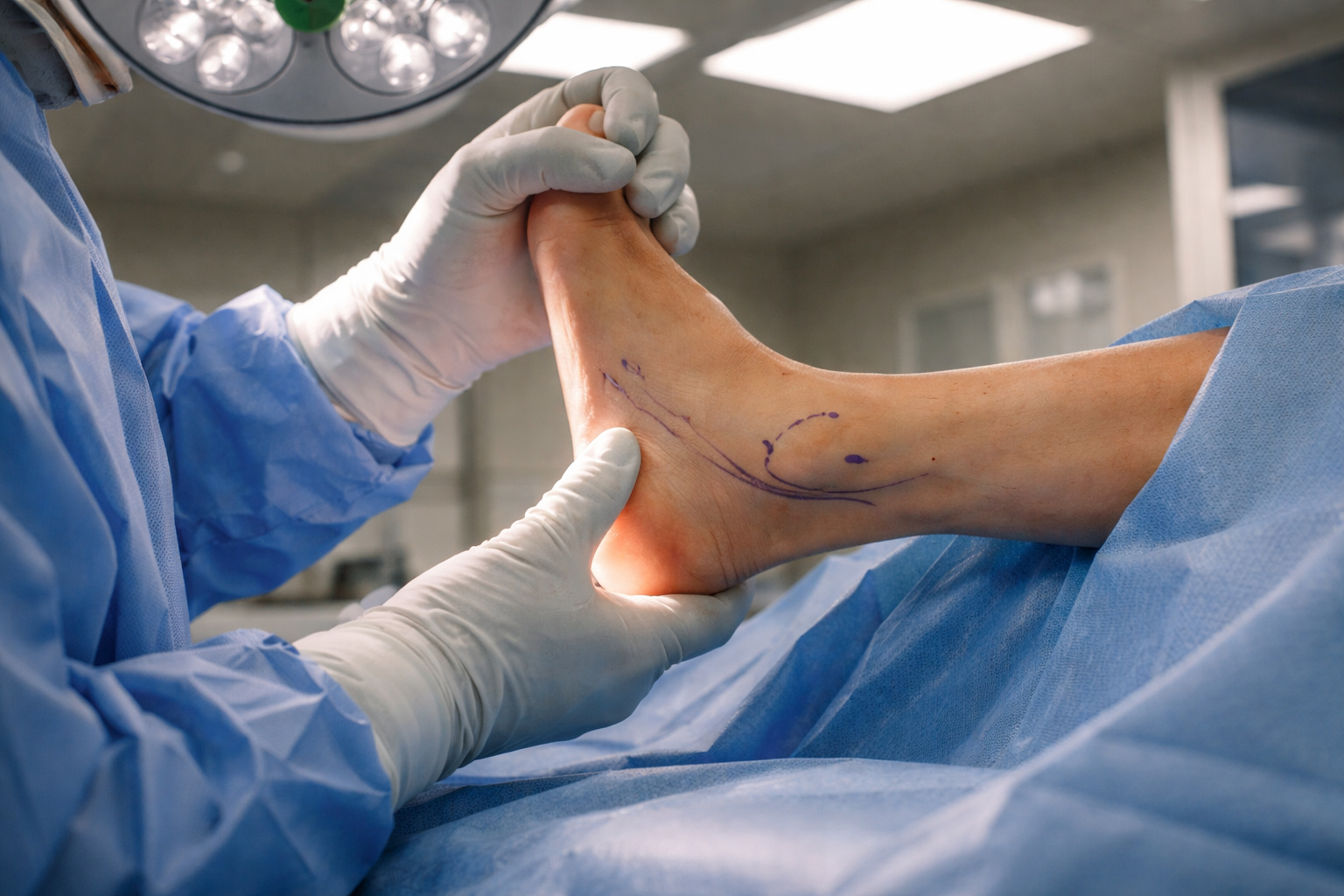
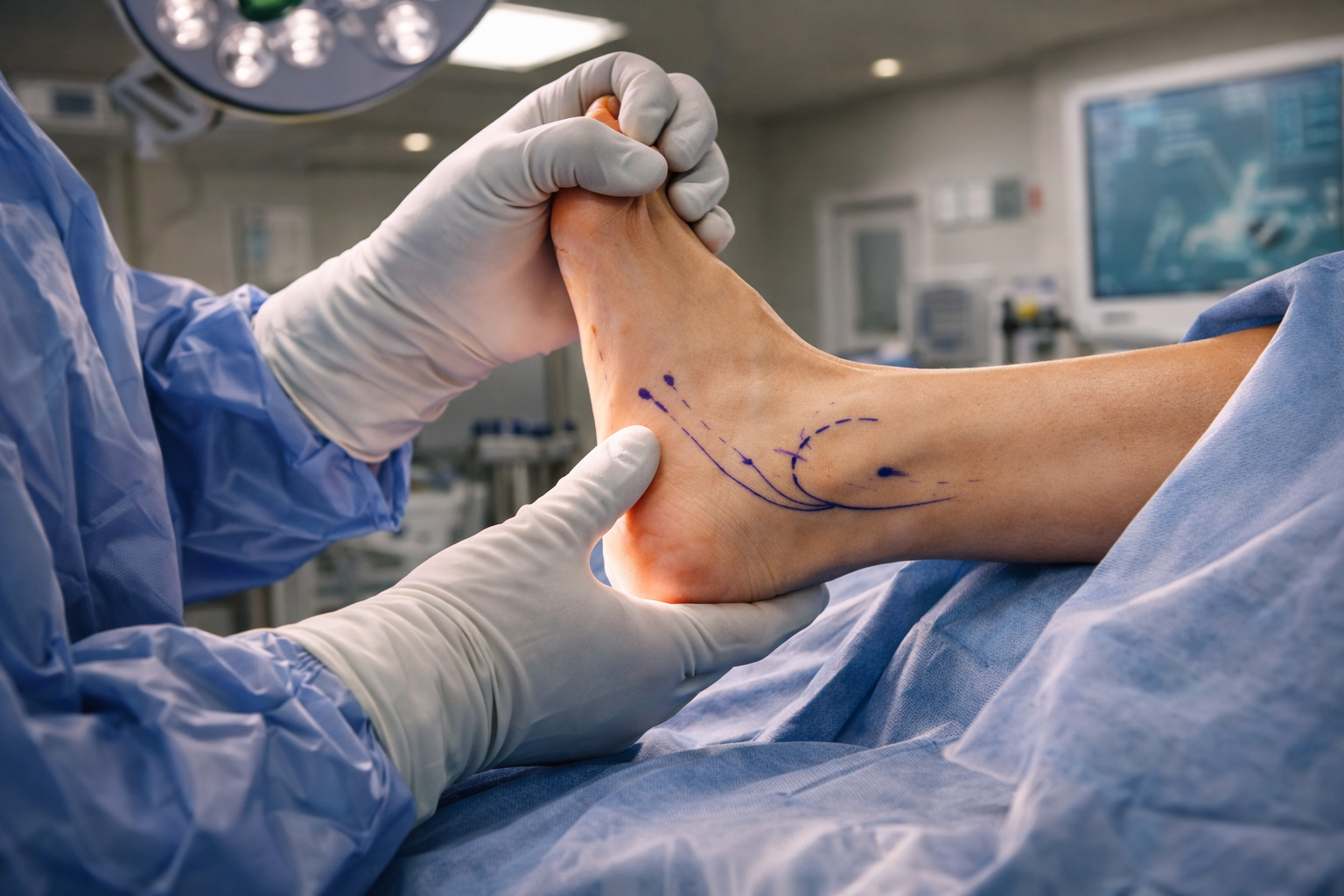
Ankle instability surgery is designed to repair or reconstruct the ligaments that stabilize the ankle, most often on the outside of the joint. These ligaments can become stretched or torn after repeated sprains or a single major injury. When they do, the ankle may shift too easily, causing the familiar cycle of rolling, swelling, and re-injury.
Surgery is not one-size-fits-all. Depending on your ligament quality and anatomy, your surgeon may recommend:
- Ligament repair, which tightens and reattaches your existing ligaments
- Ligament reconstruction, which rebuilds stability using a tendon graft when the original tissue is too damaged
- Arthroscopy, sometimes performed at the same time to treat cartilage injury, inflammation, loose bodies, or impingement that often accompanies instability
- Alignment correction when foot mechanics or hindfoot position contributes to repeated rolling
Who May Need Surgery for Ankle Instability?
You may be a candidate for ankle instability surgery if you have:
- Recurrent sprains, even with a brace
- A giving-way sensation during walking, sports, or stairs
- Persistent swelling, pain, or tenderness around the ankle
- Trouble running, jumping, pivoting, hiking, or court sports
- Failure to improve after a structured program of therapy and balance training
- Associated injuries seen on imaging, such as cartilage damage
Untreated instability can increase stress on the cartilage and contribute to bone spurs and earlier arthritis. Surgery aims to break that cycle and protect the joint.
The Commons Clinic Approach
Commons Clinic is built for patients who want specialty care without unnecessary delays. We start with a focused exam and imaging when needed to identify the exact cause of instability and any related problems that should be treated at the same time.
If surgery is recommended, we provide a clear plan that covers:
- The procedure options and why one is best for you
- What to expect the day of surgery and after
- A step-by-step recovery roadmap and return-to-activity goals
- Rehabilitation designed to rebuild strength, balance, and confidence
Many ankle instability surgeries are outpatient procedures, meaning you go home the same day.
Recovery and Results
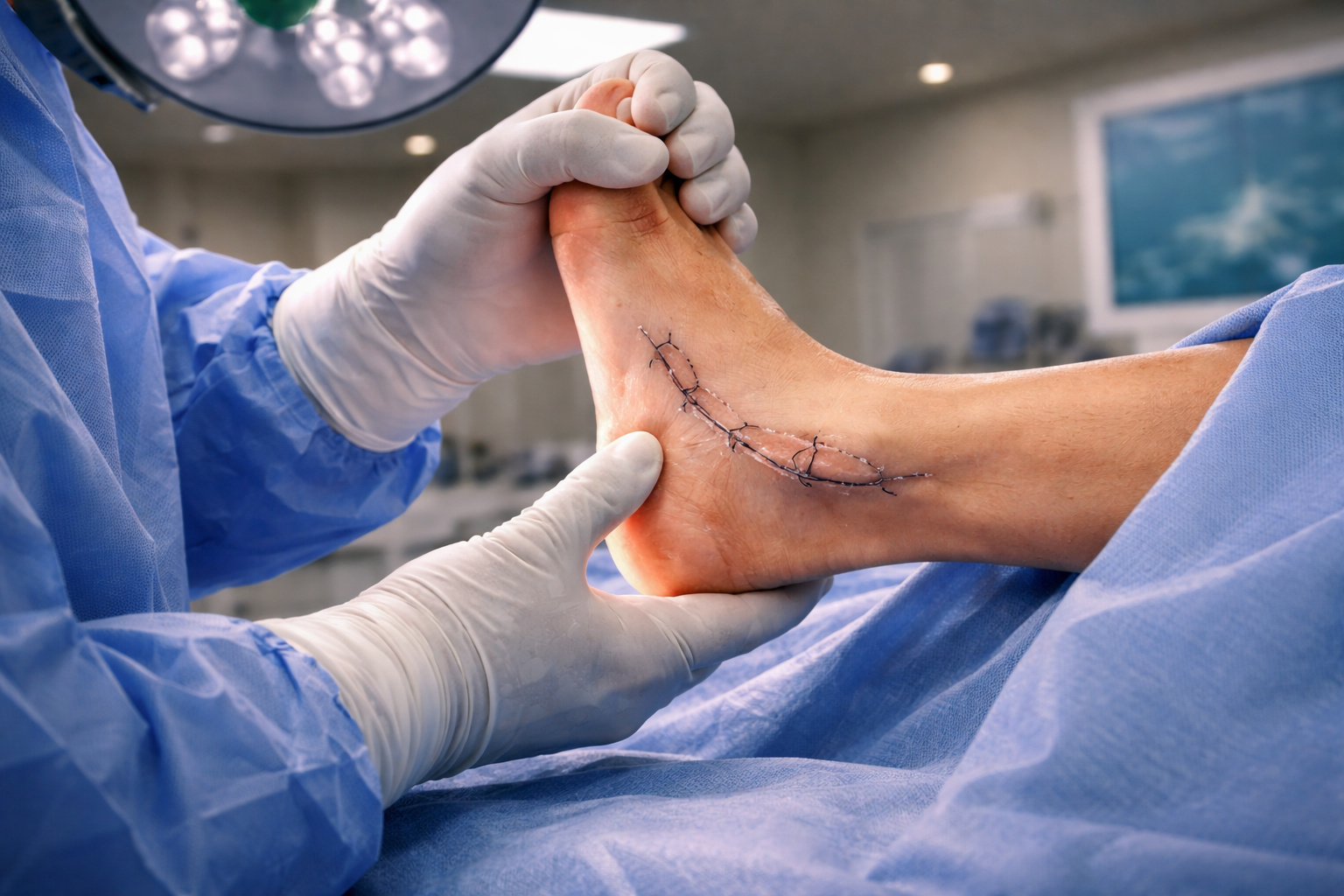
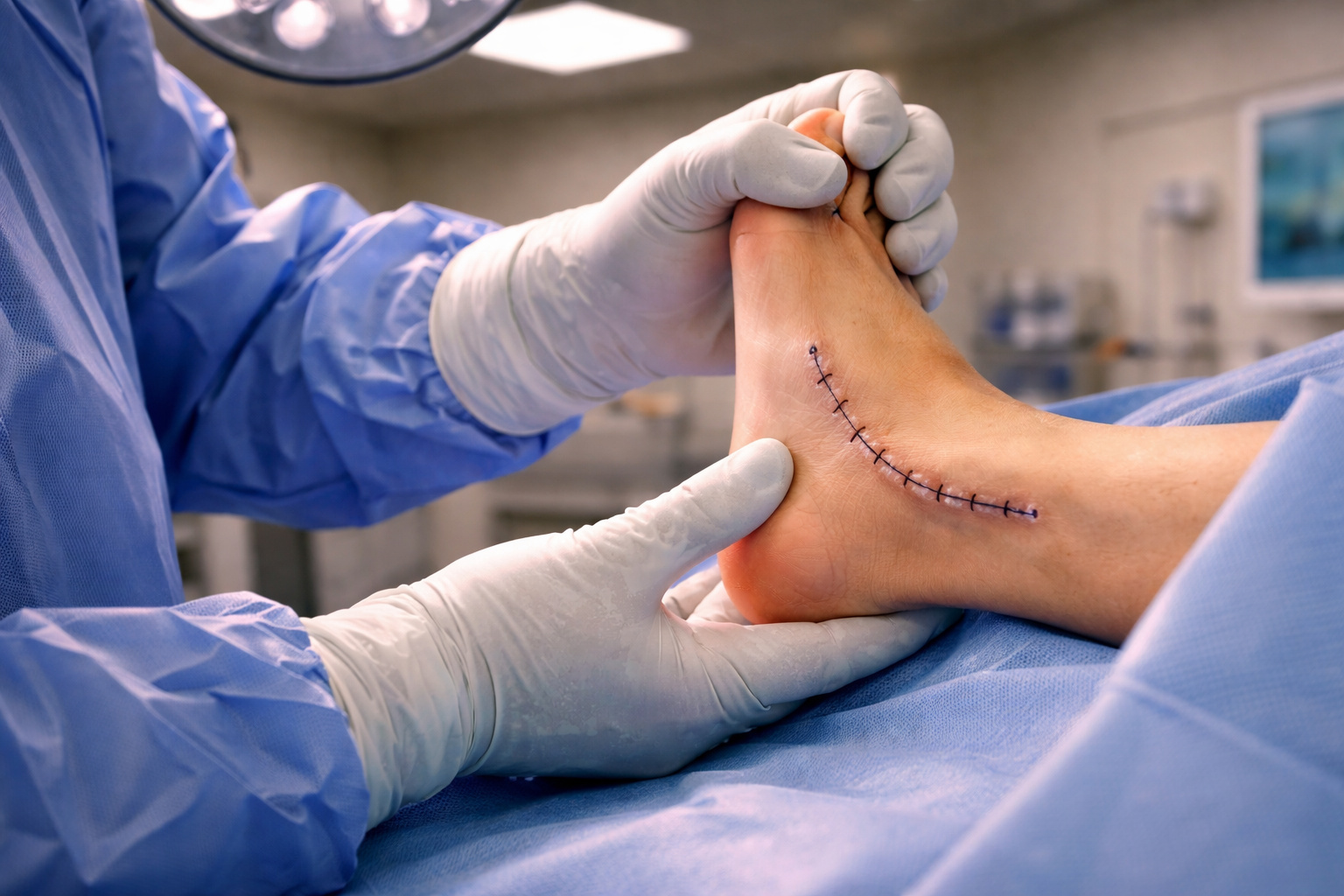
Recovery varies by the procedure and any additional corrections. Many patients follow a phased plan that includes a period of immobilization, gradual return to weight-bearing, and physical therapy focused on mobility, strength, and proprioception. The goal is a stable ankle you can trust, not just a healed incision.
Why Patients Choose Commons Clinic
- Orthopedic specialists experienced in sports injuries and complex ankle conditions
- Second-opinion friendly, with thorough imaging review and clear explanations
- Streamlined scheduling and coordinated follow-up
- Evidence-based care supported by advanced diagnostics and planning
Frequently Asked Questions
How do I know if I need ankle instability surgery?
If your ankle continues to give way after proper rehabilitation and bracing, or if imaging shows significant ligament damage or cartilage injury, surgery may be appropriate.
Is surgery only for athletes?
No. Active adults, workers who stand all day, and older adults can benefit when instability affects safety, mobility, and quality of life.
How long is recovery after ankle instability surgery?
Recovery depends on whether you need repair, reconstruction, or additional procedures. Many patients progress through rehab over several months before full sport-level activity.
Will surgery stop my ankle from rolling again?
It significantly improves stability and reduces repeat sprain risk, especially when combined with a complete rehab program.
Can Commons Clinic provide a second opinion before I commit?
Yes. We review your symptoms, imaging, and treatment history and outline the best options so you can decide confidently.
If you are tired of repeated ankle sprains and want a long-term solution, schedule an evaluation at Commons Clinic. You will get expert answers and a personalized plan to help you move steadily again.





 (310) 437-7925