
Hip Resurfacing at Commons Clinic
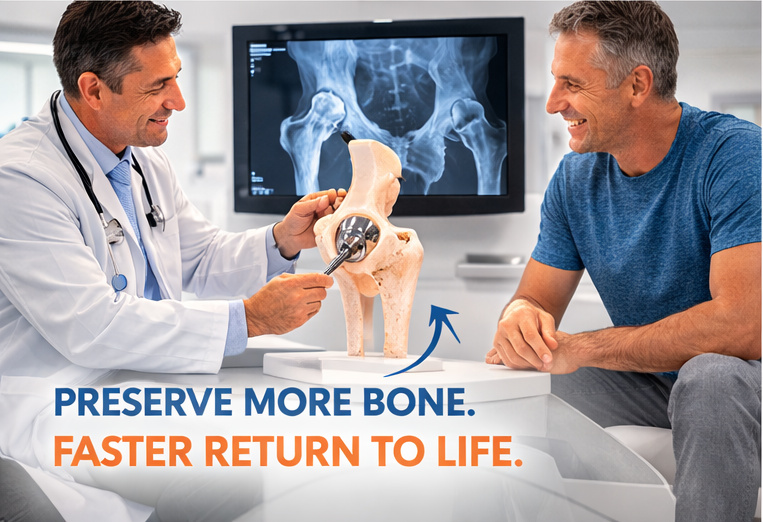
Hip resurfacing is an orthopedic procedure designed to relieve hip pain while preserving more of the natural bone compared to traditional hip replacement. At Commons Clinic, our orthopedic specialists perform hip resurfacing using modern surgical techniques to restore mobility and help patients return to active lifestyles.
The hip joint allows smooth movement between the thigh bone and pelvis. When cartilage becomes damaged from arthritis or injury, patients may experience pain, stiffness, and limited mobility. Hip resurfacing can restore joint function while maintaining more of the original bone structure.
What Is Hip Resurfacing?
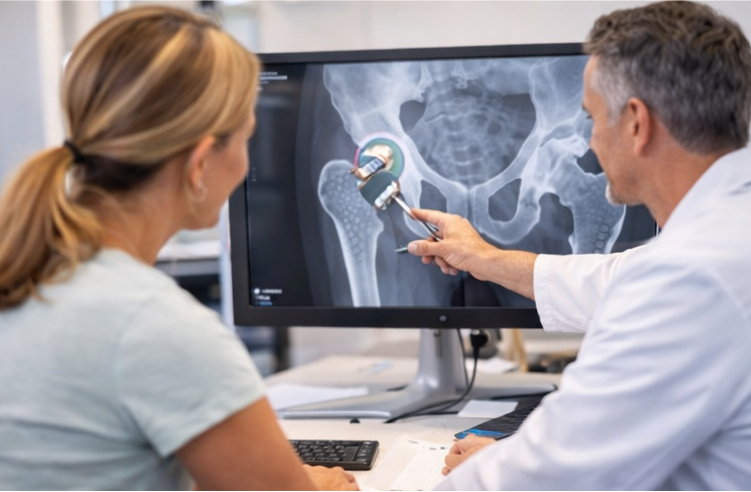
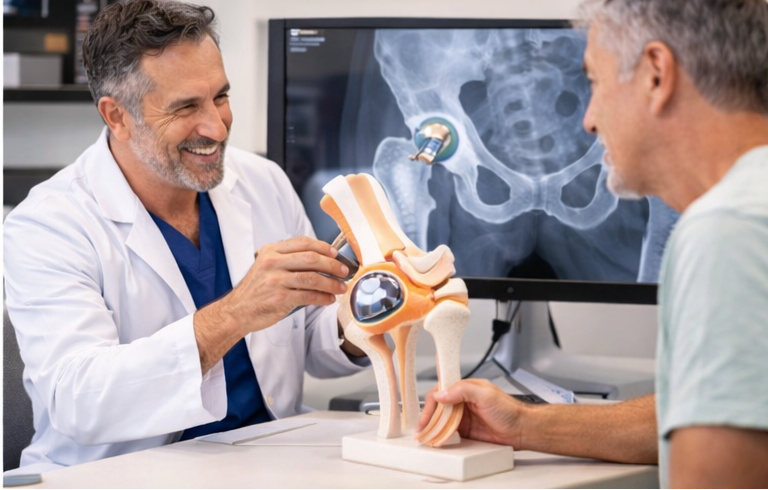
Hip resurfacing is a surgical procedure that reshapes and caps the damaged surface of the hip joint rather than replacing the entire joint. The surgeon trims the damaged bone on the head of the thigh bone and places a smooth metal cap over it.
The hip socket is also fitted with a metal lining that allows the joint to move smoothly. This design helps reduce pain while preserving more natural bone compared to total hip replacement.
Orthopedic specialists evaluate each patient with imaging and physical examination to determine if hip resurfacing is an appropriate treatment option.
Who May Be a Candidate for Hip Resurfacing?
Hip resurfacing is often recommended for younger or physically active patients with hip arthritis who have strong bone quality. Preserving bone structure may make future joint procedures easier if needed.
Patients who experience persistent hip pain, stiffness, or difficulty with daily activities may benefit from this procedure when non surgical treatments no longer provide relief.


Benefits of Hip Resurfacing
Hip resurfacing can reduce pain, improve mobility, and support a return to physical activities such as walking, cycling, and other low impact exercise.
Because more bone is preserved, some patients experience a more natural feeling hip movement after recovery.
Frequently Asked Questions
How long does hip resurfacing surgery take?
Hip resurfacing surgery typically takes one to two hours depending on the condition being treated.
How long is recovery after hip resurfacing?
Most patients begin walking with assistance soon after surgery, while full recovery may take several months.
Is hip resurfacing better than hip replacement?
Hip resurfacing may be beneficial for certain patients, particularly younger and active individuals with strong bone quality.
How long do hip resurfacing implants last?
Implants can last many years depending on activity level, bone quality, and overall joint health.
When can patients return to physical activity after hip resurfacing?
Many patients return to low impact activities after several months of rehabilitation and recovery.





 (310) 574-0373